Accord
Treatment Focus
This center treats mental health conditions and co-occurring substance use. You receive collaborative, individualized treatment that addresses both issues for whole-person healing.
Primary Level of Care
Offering intensive care with 24/7 monitoring, residential treatment is typically 30 days and can cover multiple levels of care. Length can range from 14 to 90 days typically.
This provider hasn't verified their profile's information. Are you the owner of this center? Claim your listing to better manage your presence on Recovery.com.
Treatment Focus
This center treats mental health conditions and co-occurring substance use. You receive collaborative, individualized treatment that addresses both issues for whole-person healing.
Primary Level of Care
Offering intensive care with 24/7 monitoring, residential treatment is typically 30 days and can cover multiple levels of care. Length can range from 14 to 90 days typically.
Private Pay
You pay directly for treatment out of pocket. This approach can offer enhanced privacy and flexibility, without involving insurance. Exact costs vary based on program and length of stay. Contact the center for specific details.
About Accord
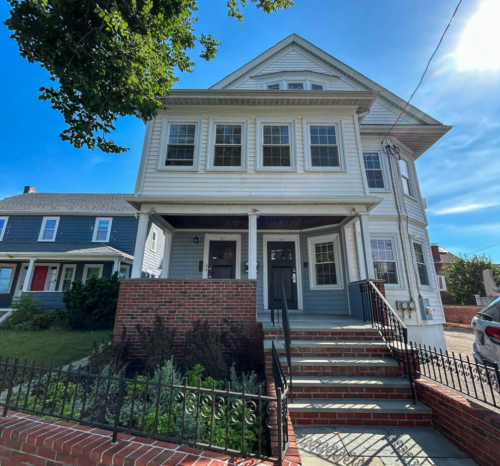
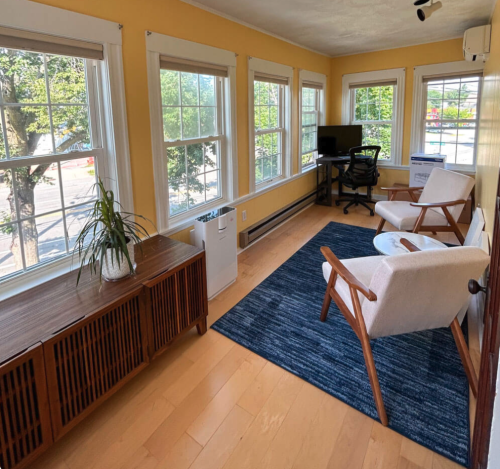
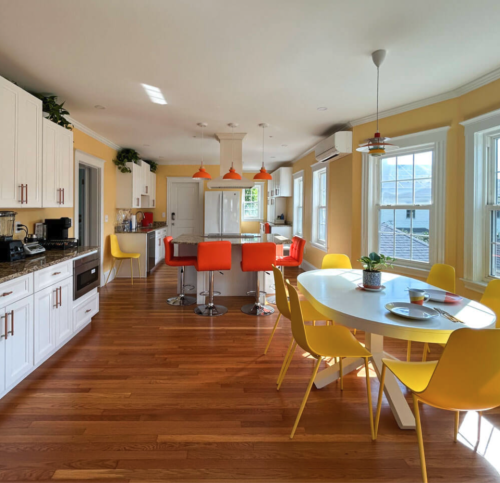
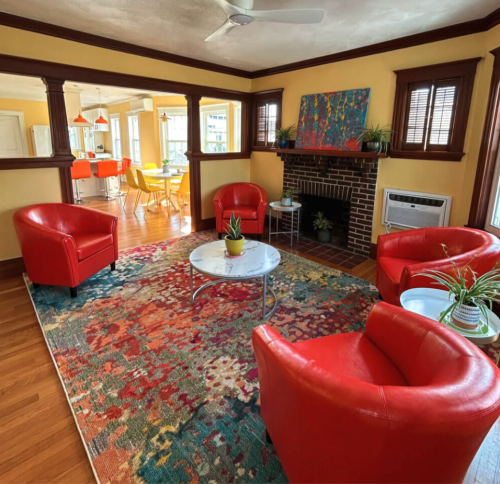
Ketogenic therapy and metabolic interventions help adults manage persistent mental health challenges by focusing on brain energy and physical wellness. This residential, Accord, operates out of a comfortable home in a walkable town near Boston. The setting provides 9 private bedrooms for adults to work on their health independently. By addressing nutrition and lifestyle, the program offers a new path for those seeking long-term stability.
Support Lasting Mental Wellness
Accord builds care around nutritional interventions and specialized meal plans designed to improve brain function and mental wellness. A team including a psychiatrist, registered dietitian, and personal trainer coordinates care to deliver personalized care. Accord avoids metabolic disruptors at their center by using purified water systems, air purifiers, and air-purifying plants, while helping clients align their circadian rhythm and attain mind-body balance. Through hands-on support, clients learn how nutrition, movement, and daily habits influence their mood, energy, and overall health.
Build Healthy Habits for Life
Continuous glucose monitoring and heart rhythm tracking give clients real-time insight into how their habits affect their mental and physical health. Daily programming includes biometric testing, personal training, and culinary lessons that help individuals confidently maintain their new lifestyle. After residential care, clients continue receiving support through a unique virtual coaching continuum designed to reinforce long-term progress. By combining education, structure, and ongoing guidance, Accord empowers people to take an active role in their recovery journey. Contact admissions to learn more.
Center Overview

Treatment Focus
This center treats mental health conditions and co-occurring substance use. You receive collaborative, individualized treatment that addresses both issues for whole-person healing.

Pricing and Program Length
Estimated Center Costs
Center pricing can vary based on program and length of stay. Contact the center for more information. Recovery.com strives for price transparency so you can make an informed decision.
Meet Your Care Team

Matt Bernstein
Founding Partner
MD

Laurie Damsky
Chief Operating Officer
PMHNP‑BC

Ross Ellenhorn
Founding Partner
LICSW, Ph.D.
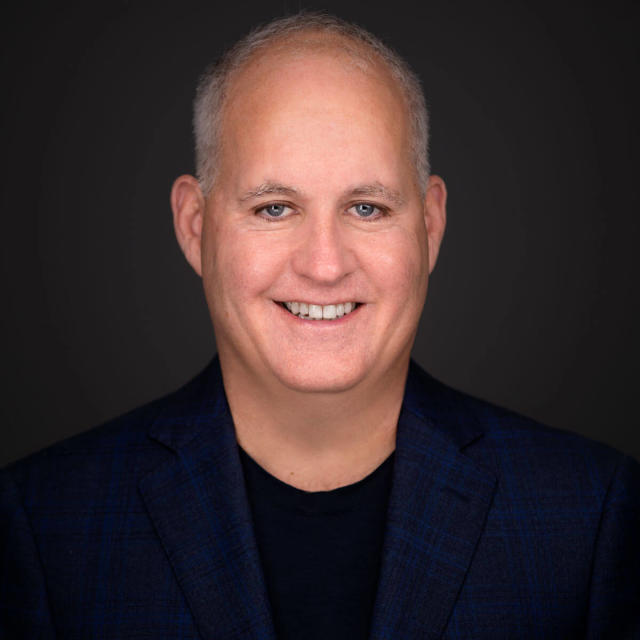
Tim Haley
Founding Partner

Sophie Kwass
Program Director
LICSW

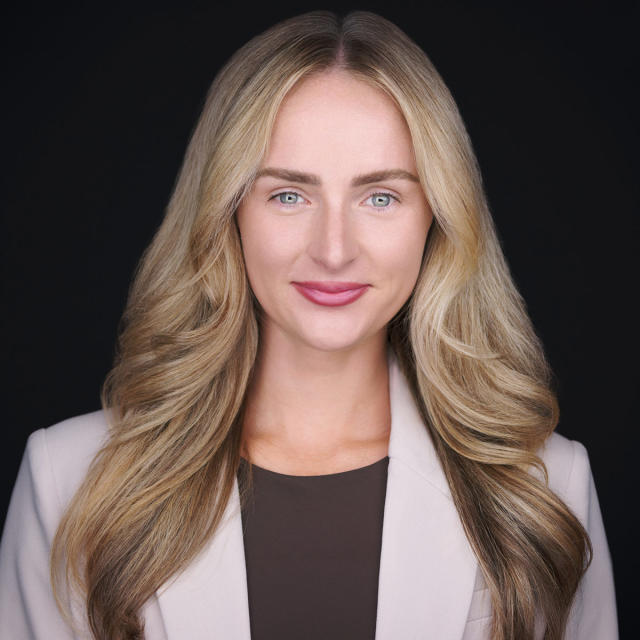
Donikka Hristova
Health Coach
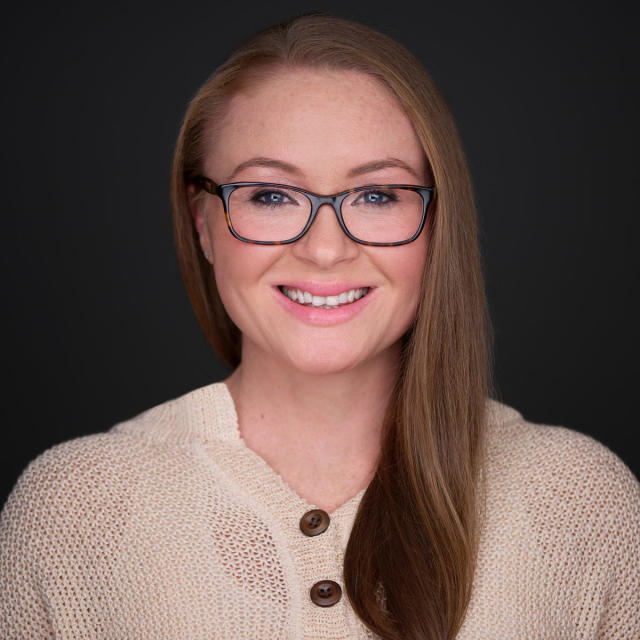
Meghan Stein
Nutrition Program Manager
RDN
Katrina Vazquez
Chef
Levels of Care
Your Care Options
Specializations
ADHD, ADD
ADD and ADHD are neurodevelopmental conditions that affect attention, focus, organization, and impulse control, often impacting daily life, school, work, and relationships.
Anxiety
Anxiety is a common mental health condition that can include excessive worry, panic attacks, physical tension, and increased blood pressure.
Bipolar
This mental health condition is characterized by extreme mood swings between depression, mania, and remission.
Depression
Symptoms of depression may include fatigue, a sense of numbness, and loss of interest in activities. This condition can range from mild to severe.
Obsessive Compulsive Disorder (OCD)
OCD is characterized by intrusive and distressing thoughts that drive repetitive behaviors. This pattern disrupts daily life and relationships.
Who We Treat
Men and Women
Men and women attend treatment for addiction in a co-ed setting, going to therapy groups together to share experiences, struggles, and successes.
Approaches
Evidence-Based
A combination of scientifically rooted therapies and treatments make up evidence-based care, defined by their measured and proven results.
Holistic
A non-medicinal, wellness-focused approach that aims to align the mind, body, and spirit for deep and lasting healing.
Individual Treatment
Individual care meets the needs of each patient, using personalized treatment to provide them the most relevant care and greatest chance of success.
Personalized Treatment
The specific needs, histories, and conditions of individual patients receive personalized, highly relevant care throughout their recovery journey.
Therapies
1-on-1 Counseling
Patient and therapist meet 1-on-1 to work through difficult emotions and behavioral challenges in a personal, private setting.
Life Skills
Teaching life skills like cooking, cleaning, clear communication, and even basic math provides a strong foundation for continued recovery.
Mindfulness Therapy
This ancient practice can be mental, emotional, and even spiritual. In meditation, you focus your attention on the present moment without judgement.
Neurofeedback
Neurofeedback uses real-time brain activity monitoring to help individuals improve self-regulation, focus, and emotional functioning.
Nutrition Counseling
Nutritious food helps patients heal from within, setting them up for mental and bodily wellness as they learn about healthy eating.
Psychoeducation
This method combines treatment with education, teaching patients about different paths toward recovery. This empowers them to make more effective decisions.
Stress Management
Patients learn specific stress management techniques, like breathing exercises and how to safely anticipate triggers.
Languages
Conditions We Treat
ADHD, ADD
ADD and ADHD are neurodevelopmental conditions that affect attention, focus, organization, and impulse control, often impacting daily life, school, work, and relationships.
Anxiety
Anxiety is a common mental health condition that can include excessive worry, panic attacks, physical tension, and increased blood pressure.
Bipolar
This mental health condition is characterized by extreme mood swings between depression, mania, and remission.
Depression
Symptoms of depression may include fatigue, a sense of numbness, and loss of interest in activities. This condition can range from mild to severe.
Obsessive Compulsive Disorder (OCD)
OCD is characterized by intrusive and distressing thoughts that drive repetitive behaviors. This pattern disrupts daily life and relationships.
Post Traumatic Stress Disorder
PTSD is a long-term mental health issue caused by a disturbing event or events. Symptoms include anxiety, dissociation, flashbacks, and intrusive thoughts.
Schizophrenia
Schizophrenia is a chronic mental health condition that can affect thinking, emotions, behavior, and perception of reality.
Trauma
Some traumatic events are so disturbing that they cause long-term mental health problems. Those ongoing issues can also be referred to as "trauma."
Substances We Treat
Co-Occurring Disorders
A person with multiple mental health diagnoses, such as addiction and depression, has co-occurring disorders also called dual diagnosis.
Opioids
Opioids produce pain-relief and euphoria, which can lead to addiction. This class of drugs includes prescribed medication and the illegal drug heroin.