All CentersStephanie Hazard, A Path Toward Recovery

Stephanie Hazard, A Path Toward Recovery

Substance Use and Mental Health

Treatment Focus

This center treats substance use disorders and mental health conditions. You'll receive individualized care catered to your unique situation and diagnosis, learn practical skills for recovery, and make new connections in a restorative environment.

Recovery Coach

Primary Level of Care

Recovery coaching is a type of support service designed to help individuals maintain their recovery goals, provide guidance and support, and connect them with resources and community-based services.

Claimed

Claimed

Recovery.com has connected directly with this treatment provider to validate the information in their profile.

Private Pay

Private Pay

You pay directly for treatment out of pocket. This approach can offer enhanced privacy and flexibility, without involving insurance. Exact costs vary based on program and length of stay. Contact the center for specific details.

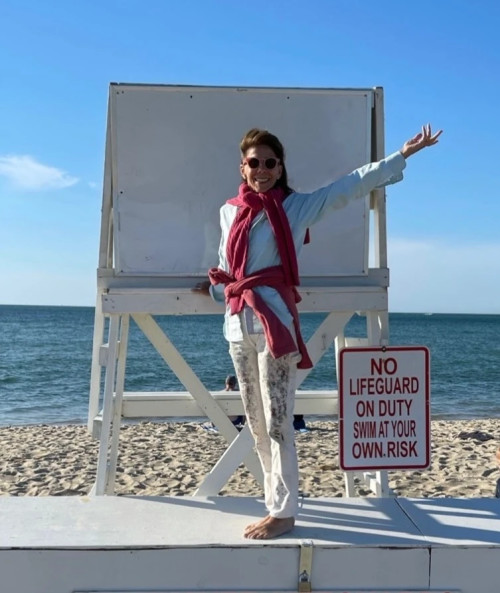
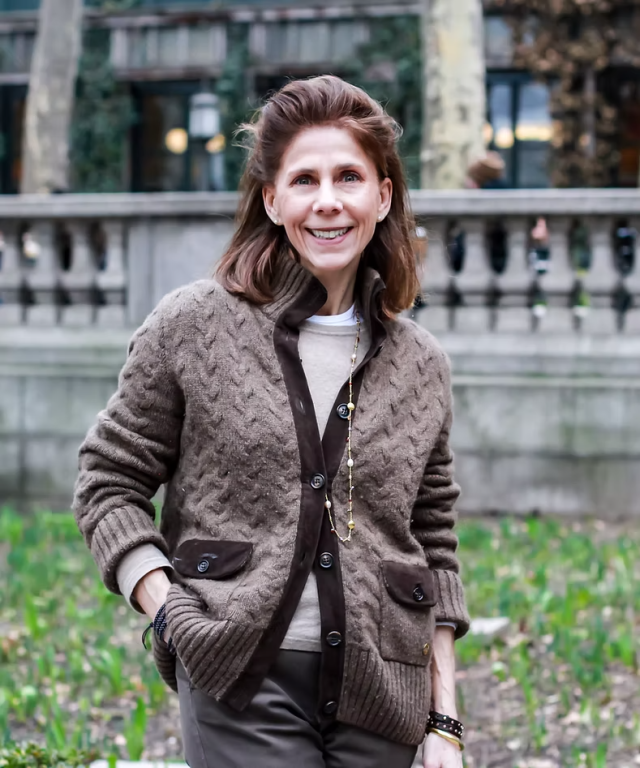
Stephanie Hazard is a recovery coach professional who works with individuals and families across the country. In recovery for 25 years, she draws on lived experience, training, and professional expertise to help others achieve and sustain recovery and wellness. She founded her private coaching practice, A Path Toward Recovery, in 2021 and is also the author of the upcoming book Making Sobriety Stick: A Recovery Coach’s Guide to Sustainable Change.

Find Connection and Understanding

Growing up in a family affected by alcohol shaped Stephanie’s understanding of recovery from an early age. Her lived experience with alcohol use disorder, eating disorders, motherhood, and professional life helps her connect with people facing a range of recovery challenges. She works with those struggling with substance use disorder and eating disorders, as well as those who are sober curious.

Build Recovery and Wellness

Stephanie formally aligned her personal and professional lives when she became a full-time Recovery Coach Professional (RCP) in 2019. An advocate, guide, and mentor, she coaches women, men, and families in person and virtually. She believes in multiple pathways to recovery and helps clients grow wellness, engage in recovery, and access curated recovery resources, relationships, and professional support.

Draw on Trusted Experience

In addition to being an RCP, Stephanie is a certified peer recovery specialist (CPRS) and a certified Carolyn Costin Institute eating disorder recovery coach (CCIEDC). She has also served as a keynote speaker, led recovery and wellness workshops, volunteered at Silver Hill Hospital, and served on the Advisory Board of the Inservice Foundation.

AT A GLANCE

Center Overview

Location
766 Cheese Spring Road, New Canaan, CT 06840 View Map
Primary Focus
This center supports substance use disorders and mental health condition...

Support Focus

This center supports substance use disorders and mental health conditions. You'll receive individualized care catered to your unique situation and diagnosis, learn practical skills for recovery, and make new connections in a restorative environment.

Typical Program Length
30 days
Conditions We Support
Codependency, Eating Disorders, Trauma
Substance Use We Support
Alcohol, Co-Occurring Disorders, Cocaine, Drug Addiction +7 More
Payment

Pricing and Program Length

Estimated Center Costs

The cost listed here (Call for Rates), is an estimate of program cost. Center price can vary based on program and length of stay. Contact the center for more information. Recovery.com strives for price transparency so you can make an informed decision.

30 days
Call for Rates
(917) 488-3094
Staff

Meet Your Support Team

Stephanie Hazard

Stephanie Hazard

Owner

Certified Addiction Recovery Coach (CARC)

Care Options

Levels of Care

Substance use and mental health issues can occur simultaneously or as primary conditions. Effective treatment explores how mental health conditions contribute to addiction, and vice-versa. Many rehabs treat substance use disorders and mental health conditions with personalized care plans.
Detox
Not Offered at This Center
Typically the initial stage of treatment for substance use, focusing on medically supervised management of withdrawal symptoms.
Residential
Not Offered at This Center
Residential programs for substance use and mental health with structured care and 24/7 monitoring. Treatment takes place on-site, with behavioral health professionals often providing care in group, individual, and family settings.
Sober Living
Not Offered at This Center
Transitional housing designed to support individuals recovering from substance use disorders offering a safe, supportive and structured environment for practicing long-term sobriety, while reintegrating back into daily living.
Recovery Coaching
Recovery coaching is a type of support service designed to help individuals maintain their recovery goals, provide guidance and support, and connect them with resources and community-based services.
Outpatient
Not Offered at This Center
Outpatient treatment offers flexible therapeutic and medical care without the need to stay overnight in a hospital or inpatient facility. Outpatient care typically offers a range of therapies and medical interventions individuals can attend alongside daily life.
Virtual & In-Home Care
The delivery of therapeutic services utilizing technology such as video conferencing, online messaging or phone calls, allowing for flexibility, comfort and increased access to care.
Co-Occurring Disorders
Substance use and mental health can occur simultaneously as co-occurring disorders. Treatment for co-occurring disorders involves therapy and other personalized interventions to address both conditions.
Sober Companion
A sober companion is an individual who provides 24/7 support and accountability to an individual in recovery, often living with them or accompanying them to help maintain sobriety, especially during crucial transition periods such as after leaving a treatment facility; they offer guidance, encouragement, and assistance in establishing healthy routines to prevent relapse.
Treatment

Your Care Options

Specializations

Alcohol

Alcohol

Using alcohol as a coping mechanism, or drinking excessively throughout the week, signals an alcohol use disorder.

Codependency

Codependency

Codependency is a pattern of emotional dependence and controlling behavior. It's most common among people with addicted loved ones.

Eating Disorders

Eating Disorders

An eating disorder is a long-term pattern of unhealthy behavior relating to food. Most people with eating disorders have a distorted self-image.

Executives

Executives

Executive treatment programs typically directly support the needs of people who manage businesses and may provide flexible schedules and office space to allow work during treatment.

Trauma

Trauma

Some traumatic events are so disturbing that they cause long-term mental health problems. Those ongoing issues can also be referred to as "trauma."

Who We Support

Men
Women
Executives

Executives

Executive treatment programs typically directly support the needs of people who manage businesses and may provide flexible schedules and office space to allow work during treatment.

Men and Women

Men and Women

Men and women attend treatment for addiction in a co-ed setting, going to therapy groups together to share experiences, struggles, and successes.

Loved Ones

Approaches

Holistic

Holistic

A non-medicinal, wellness-focused approach that aims to align the mind, body, and spirit for deep and lasting healing.

Non 12 Step

Non 12 Step

Non-12-Step philosophies veer from the spiritual focus of the 12-Steps and instead treat the disease of addiction with holistic or secular modalities.

Strengths-Based

Strengths-Based

Providers using a strengths-based philosophy focus on the positive traits of their patients, creating a positive feedback loop that grows confidence.

Twelve Step

Twelve Step

Incorporating spirituality, community, and responsibility, 12-Step philosophies prioritize the guidance of a Higher Power and a continuation of 12-Step practices.

Wellness

Wellness

Wellness philosophies focus on the physical, mental, and spiritual wellness of each patient, helping them restore purpose with natural remedies.

Languages

English

Conditions We Support

Codependency

Codependency

Codependency is a pattern of emotional dependence and controlling behavior. It's most common among people with addicted loved ones.

Eating Disorders

Eating Disorders

An eating disorder is a long-term pattern of unhealthy behavior relating to food. Most people with eating disorders have a distorted self-image.

Trauma

Trauma

Some traumatic events are so disturbing that they cause long-term mental health problems. Those ongoing issues can also be referred to as "trauma."

Substances We Support

Alcohol

Alcohol

Using alcohol as a coping mechanism, or drinking excessively throughout the week, signals an alcohol use disorder.

Co-Occurring Disorders

Co-Occurring Disorders

A person with multiple mental health diagnoses, such as addiction and depression, has co-occurring disorders also called dual diagnosis.

Cocaine

Cocaine

Cocaine is a stimulant with euphoric effects. Agitation, muscle ticks, psychosis, and heart issues are common symptoms of cocaine abuse.

Drug Addiction

Drug Addiction

Drug addiction is the excessive and repetitive use of substances, despite harmful consequences to a person's life, health, and relationships.

Ecstasy

Ecstasy

Ecstasy is a stimulant that causes intense euphoria and heightened awareness. Abuse of this drug can trigger depression, insomnia, and memory problems.

Heroin

Heroin

Heroin is a highly addictive and illegal opioid. It can cause insomnia, collapsed veins, heart issues, and additional mental health issues.

Marijuana
Methamphetamine

Methamphetamine

Methamphetamine, or meth, increases energy, agitation, and paranoia. Long-term use can result in severe physical and mental health issues.

Opioids

Opioids

Opioids produce pain-relief and euphoria, which can lead to addiction. This class of drugs includes prescribed medication and the illegal drug heroin.

Frequently Asked Questions

Further Research

While costs may vary due to program length and insurance benefits, it typically costs Call for Rates.
New Canaan, Connecticut, United States.
The typical length is 30 days.
Stephanie Hazard, A Path Toward Recovery provides recovery coaching, virtual and more.

Explore More

Easily search by condition, location, and other programs tailored to meet your needs.