Find Treatment By
Rehabs by Location


Learn
About Us
Recovery.com combines independent research with expert guidance on addiction and mental health treatment. Our mission is to help everyone find the best path to recovery through the most comprehensive, helpful network of treatment providers worldwide.
Advisory Council
Our advisory council brings together leaders in behavioral health, technology, and business. Their diverse expertise ensures our resources and product are innovative, evidence-based, and effective. They guide our mission as accomplished individuals dedicated to improving the landscape of addiction recovery and mental wellness.
What Are Eating Disorders? 10 Expert Answers On The Internet’s Most Searched Eating Disorder Questions


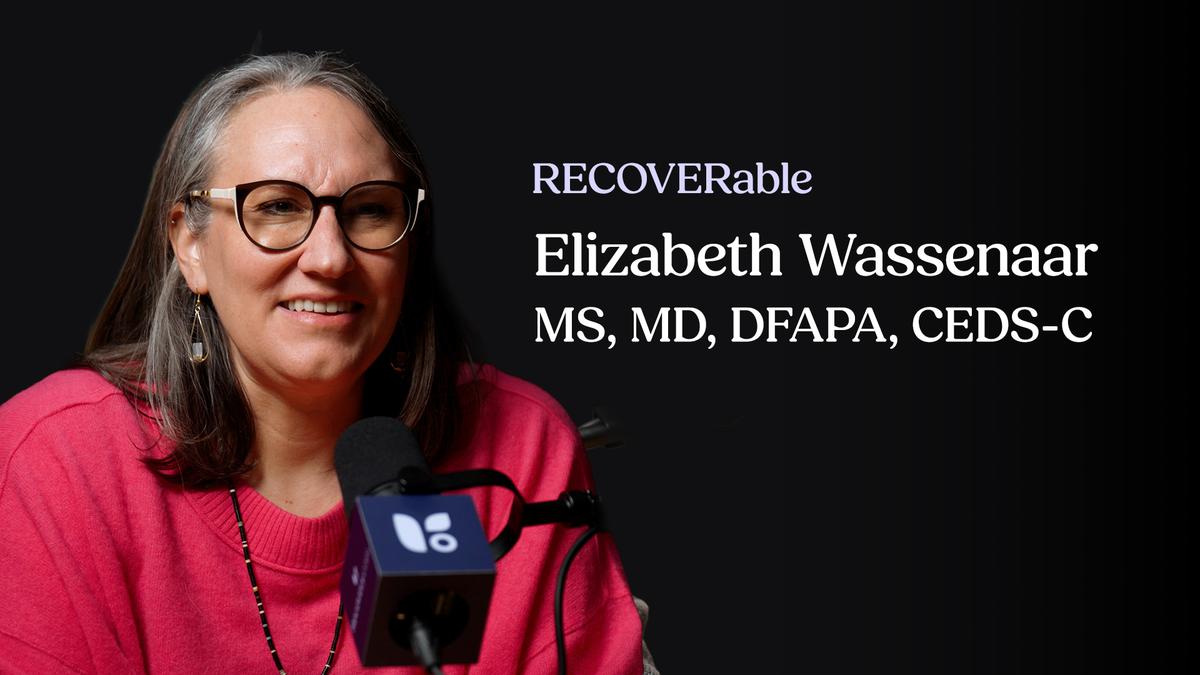
Eating disorders are everywhere, in conversations about body image, wellness trends, and social media. But despite how common they are, most people don’t actually understand what they are or how serious they can be.
In this episode of Recoverable, psychiatrist Dr. Elizabeth Wassenaar from Eating Recovery Center breaks down the truth behind eating disorders, answering the internet’s most searched questions with honesty and depth. One of her most powerful reminders is this— eating disorders are not about vanity or willpower. They are real, brain-based mental illnesses, and they can affect anyone.
1. What Does Disordered Eating Actually Mean?
It’s not about food, it’s about impact.
Disordered eating is a broad term, and that’s part of what makes it confusing. At its core, it means that your relationship with food is interfering with your ability to live your life.
That interference can look different for everyone. For some, it might mean constant preoccupation with food or calories. For others, it might involve behaviors like restricting, bingeing, or purging. The key question is simple— is this helping you live your life, or getting in the way of it?
Dr. Wassenaar explains that some behaviors are clearly disordered, like forcing yourself to throw up or using substances to manipulate calories. But others become normalized through culture, like extreme dieting trends or “hacks” that circulate online.
The tricky part is that disordered eating often hides in plain sight. It can look like discipline, health, or self-improvement, when in reality it’s quietly taking over your thoughts, time, and energy.
When Does It Become an Eating Disorder?
The difference between disordered eating and a diagnosable eating disorder comes down to two main factors— functional impairment and medical impact.
If your eating habits are affecting your mood, relationships, work, or daily functioning, that’s a red flag. If they’re also causing harm to your physical health, like malnutrition or other medical complications, it may meet the criteria for an eating disorder.
One of the most important takeaways is that you cannot tell by looking at someone if they have an eating disorder or not. Eating disorders do not have a “look,” and malnutrition can exist in any body.
2. Are Eating Disorders Mental Illnesses?
They start in the brain, not in behavior.
One of the biggest misconceptions is that eating disorders are just about behavior, such as eating too much or not eating enough. In reality, they are brain-based mental illnesses.
Dr. Wassenaar explains that the brains of people with eating disorders function differently. There are biological, genetic, and neurological components, just like with depression or anxiety.
What we see on the outside—food habits, weight changes, exercise patterns—is only the surface. The real struggle is happening internally in thoughts, beliefs, and brain wiring.
This is why simply telling someone to “just eat” or “just stop eating” doesn’t work. It’s not a lack of willpower. It’s a condition that requires comprehensive treatment, including psychological and medical support.
As Dr. Wassenaar puts it, one of the most harmful things you can say to someone with an eating disorder is “just stop.”
This misunderstanding keeps people from seeking help and reinforces shame. Recognizing eating disorders as mental illnesses opens the door to empathy, treatment, and recovery.
3. Can You Have an Eating Disorder If You Aren’t Skinny?
Yes, and this myth is dangerous.
This is one of the most searched questions online, and the clear answer is that yes, you can have an eating disorder if you are not skinny.
Eating disorders can affect people of any size, weight, gender, or background. You can have an eating disorder without losing weight, and you can have one while living in a larger body.
The myth that eating disorders only affect thin people leads to massive underdiagnosis. Dr. Wassenaar calls this a “huge travesty”, as many individuals never get screened, never self-identify, and never receive treatment simply because they don’t “look the part.”
This is why focusing on behaviors, thoughts, and life impact is far more important than focusing on weight or appearance.
4. What Are the Signs Someone Might Have an Eating Disorder?
Look for what’s being lost, not just what’s changing.
It’s natural to look for physical signs of eating disorders, like changes in weight or eating habits, but those don’t always tell the full story.
Instead, Dr. Wassenaar suggests paying attention to what matters to the person. Are they pulling away from relationships? Are they neglecting responsibilities? Are they spending more time thinking about food, exercise, or their body?
Eating disorders have a way of taking over priorities. Things that once mattered, such as friendships, family, and hobbies, can quickly start to fade into the background.
How to Talk to Someone You’re Worried About
If you’re concerned about someone, the way you approach the conversation matters. Instead of making assumptions or diagnoses, focus on what you’ve observed. For example, “I’ve noticed you don’t seem to enjoy things you used to, and I’m worried about you.”
This opens the door for conversation without putting the person on the defensive.
Avoid comments about weight or appearance. Even well-meaning remarks can reinforce harmful beliefs or make someone shut down.
At the core, it’s about connection. Let them know you care, and that they don’t have to go through it alone.
5. Can You Recover From an Eating Disorder?
Recovery is real, and it requires support.
One of the most powerful messages from this conversation is that eating disorders are not only treatable, but they are curable.
That doesn’t mean they disappear like a cold. Recovery doesn’t erase the experience. But it does mean you can live a full life without the disorder controlling you.
A key part of recovery is understanding that you can’t do it alone. In fact, believing you have to do it alone is often part of the illness itself.
Dr. Wassenaar puts it simply, “relationships replace eating disorders.”
What to Do If You Need Help Right Now
If you’re struggling, reaching out can feel like the hardest part, but it’s also the most important. That might mean talking to a trusted friend, family member, therapist, or doctor.
If you’re in crisis, you can contact the Suicide and Crisis Lifeline by calling or texting 988, or go to an emergency room.
There are also free online communities and support groups that can help you take the first step toward recovery.
You don’t need to have everything figured out. You just need to not be alone.
6. Can Someone Have An Eating Disorder And Still Look Healthy?
You can’t diagnose an eating disorder by looking at someone.
One of the biggest myths about eating disorders is that you can “see” them. Dr. Wassenaar explains that eating disorders happen across a wide range of body sizes and appearances, which means many people who are deeply struggling may outwardly look completely fine.
That misunderstanding creates real harm. People often delay treatment because they think they are “not sick enough.” Loved ones may also miss warning signs because the person doesn’t match the stereotype.
Dr. Wassenaar warns that comments meant to sound supportive can actually reinforce the disorder. Saying things like “you look healthier now” may seem kind, but for someone in recovery it can trigger fear, shame, or renewed restriction.
Instead, she recommends focusing on effort and support, not appearance.
A better response might sound like: “It looked like you worked really hard to eat your meal today. How can I support you?”
That subtle shift moves the conversation away from judgment and toward connection.
What Should You Say To Someone With An Eating Disorder?
Dr. Wassenaar encourages families and friends to avoid commenting on bodies altogether.
Instead of evaluating someone from the outside, focus on being beside them in the struggle. That distinction matters because eating disorders thrive in shame, secrecy, and isolation.
Supportive language can help someone feel less alone, which is critical because recovery almost never happens in isolation.
7. Are Families To Blame For Eating Disorders?
Families don’t cause eating disorders, they help heal them.
For years, many people believed families caused eating disorders. Dr. Wassenaar says that belief was not only inaccurate, but it also prevented families from becoming part of recovery.
Today, experts understand eating disorders as biologically based mental illnesses with strong genetic and environmental components.
Families are not the cause.
In fact, they are often the greatest source of support.
That does not mean families automatically know what to do. Most parents and loved ones arrive feeling exhausted, scared, and convinced they are making things worse.
Dr. Wassenaar says treatment often includes teaching families how to communicate, how to offer support, and how to avoid unintentionally reinforcing the disorder.
“Part of the way a family recovers from an eating disorder is to stay in relationship,” she explains.
That idea is especially important because eating disorders often convince people to withdraw from others. Staying connected, even imperfectly, becomes part of healing.
Why Early Intervention Matters
Another major takeaway from the episode is that eating disorders are not phases people simply grow out of.
Dr. Wassenaar emphasizes that eating disorders are health crises that can create lasting medical consequences, especially during adolescence.
Bone health is one of the clearest examples. Malnutrition during teenage years can permanently weaken bones, even decades later.
That is why “wait and see” approaches can be dangerous.
If parents notice changes in eating habits, obsessive dieting, or withdrawal around food, she encourages them to start conversations early and seek professional guidance.
8. What Actually Causes Eating Disorders?
Genes load the gun, environment pulls the trigger.
Eating disorders are not caused by vanity or lack of willpower.
Dr. Wassenaar explains that they are complex mental illnesses shaped by both genetics and environment.
Many people inherit a vulnerability, whether through eating disorders themselves or broader mental health conditions like anxiety, depression, or obsessive thinking.
Then environmental stressors push someone toward illness.
Those triggers might include trauma, dieting, bullying, anxiety, social pressure, or exposure to weight-focused messaging.
The most troubling part is that modern culture often reinforces the disorder instead of interrupting it.
“We have this assumption that if you are losing weight, you are moving toward health,” Dr. Wassenaar says.
That assumption can make eating disorders especially difficult to recognize because harmful behaviors are often praised.
How Diet Culture Reinforces Eating Disorders
One of the strongest themes in the episode is how deeply diet culture affects mental health.
Fasting trends, “clean eating,” obsessive fitness tracking, and constant weight loss messaging can all mask eating disorder behaviors.
Dr. Wassenaar explains that eating disorders are “crafty.” They often disguise themselves as health seeking behaviors.
Someone may appear disciplined or wellness-focused while actually becoming increasingly trapped in restriction, compulsive exercise, or obsessive thinking.
Even recovery can become complicated because the disorder may shift forms over time.
A person who once obsessed over calories may later become consumed with step counts, fasting windows, or “healthy eating.”
The core message remains the same: “You have to do more. You have to be less.”
9. What Are The Most Common Types Of Eating Disorders?
Binge eating disorder is the most common, and most misunderstood.
Many people only think of anorexia or bulimia when they hear the phrase “eating disorder.”
But Dr. Wassenaar explains that binge eating disorder is actually more common than anorexia and bulimia combined.
It is also heavily misunderstood.
People with binge eating disorder are often told they simply need more willpower or better discipline. In reality, many are caught in cycles of restriction followed by compulsive overeating.
And unfortunately, dieting often makes the disorder worse.
Dr. Wassenaar shares that many patients first developed binge eating symptoms after being prescribed restrictive diets by healthcare providers.
That restriction increases deprivation, which then intensifies binge urges.
The cycle becomes physically and emotionally devastating.
The Main Eating Disorders Explained
The episode breaks down several major diagnoses:
- Anorexia nervosa, characterized by restriction and weight suppression
- Bulimia nervosa, involving binge eating followed by compensatory behaviors like vomiting or excessive exercise
- Binge eating disorder, involving compulsive overeating without purging
- ARFID, avoidant restrictive food intake disorder, where restriction is driven by fear, sensory issues, or disinterest in eating rather than body image concerns
One important point Dr. Wassenaar repeatedly emphasizes is that eating disorders are not choices.
The brain begins to reinforce harmful behaviors, even when they feel physically miserable.
“Hunger feels safe and fullness feels dangerous,” she explains.
That rewiring is part of why recovery requires professional support, not simple advice to “just eat” or “stop overeating.”
10. What Does Eating Disorder Recovery Actually Look Like?
Recovery is messy, daily, and absolutely possible.
When people ask how long recovery takes, Dr. Wassenaar gives an honest answer: “It takes as long as it takes.”
There is no quick fix.
Recovery is not about reaching perfection or never struggling again. It is about making daily choices that support physical nourishment, emotional safety, and a meaningful life outside the eating disorder.
Some days recovery means following a meal plan even when it feels terrifying.
Some days it means asking for help instead of isolating.
And some days it simply means choosing not to listen to the disorder’s voice.
“Treatment works and recovery is possible,” Dr. Wassenaar says.
That message matters because many people feel hopeless before entering treatment.
What Eating Disorder Treatment Looks Like
Treatment for eating disorders is usually multidisciplinary, meaning it involves multiple professionals working together.
That may include:
- Medical providers
- Psychiatrists
- Therapists
- Dietitians
- Group support programs
Care can range from outpatient therapy to intensive inpatient treatment depending on severity.
Dr. Wassenaar explains that treatment is designed to provide both support and freedom. The goal is to help people gradually practice recovery skills while staying medically and psychologically safe.
One of the most powerful reminders in the episode is that recovery rarely happens alone.
“No one recovers alone,” she says. “And you shouldn’t either.”
Final Thoughts
Eating disorders are serious mental illnesses, not lifestyle choices, phases, or failures of willpower. They can affect anyone, regardless of body size, age, or appearance, and they often hide behind behaviors society praises.
This conversation with Dr. Elizabeth Wassenaar challenges many of the myths people carry about food, weight, dieting, and recovery.
But it also offers hope.
Treatment works. Recovery is possible. And asking for help is not weakness, it is the beginning of healing.
Our Promise
How Is Recovery.com Different?
We believe everyone deserves access to accurate, unbiased information about mental health and recovery. That's why we have a comprehensive set of treatment providers and don't charge for inclusion. Any center that meets our criteria can list for free. We do not and have never accepted fees for referring someone to a particular center. Providers who advertise with us must be verified by our Research Team and we clearly mark their status as advertisers.
Our goal is to help you choose the best path for your recovery. That begins with information you can trust.