Find Treatment By
Rehabs by Location


Learn
About Us
Recovery.com combines independent research with expert guidance on addiction and mental health treatment. Our mission is to help everyone find the best path to recovery through the most comprehensive, helpful network of treatment providers worldwide.
Advisory Council
Our advisory council brings together leaders in behavioral health, technology, and business. Their diverse expertise ensures our resources and product are innovative, evidence-based, and effective. They guide our mission as accomplished individuals dedicated to improving the landscape of addiction recovery and mental wellness.
What to Do If Your Friend Is Suicidal: 9 Ways Teens Can Get Help and Potentially Save a Life


When a friend tells you they’re thinking about suicide, it can be terrifying. You may desperately want to help but have no idea what to say. You may also be asked to keep the conversation secret, leaving you caught between honoring your friend’s trust and worrying about their safety.
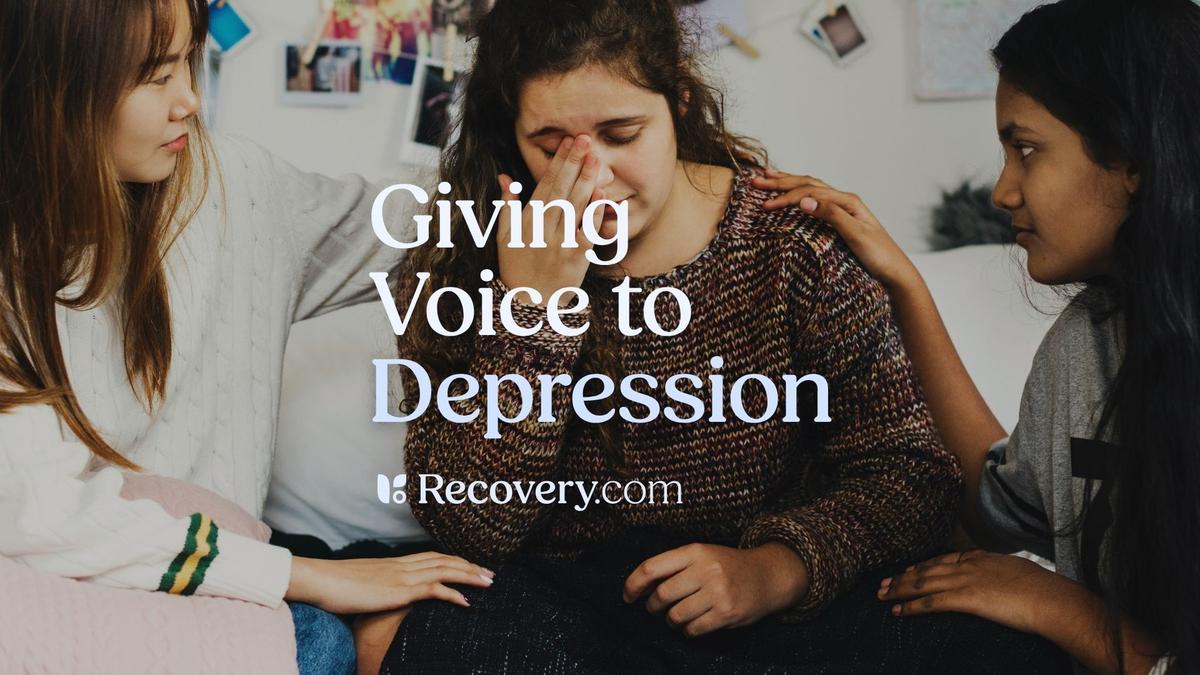
This article summarizes a conversation from the Giving Voice to Depression podcast, hosted by Terry McGuire, about what young people can do when they’re worried a friend may be suicidal. The episode features Dr. Stacey Freedenthal, a suicide prevention expert with lived experience of suicidality as well as extensive academic and professional expertise, and Dr. Jennifer Shavina, a Wisconsin school psychologist and school district mental health coordinator.
Their message is clear: A teenager should never be expected to carry responsibility for another young person’s safety alone. Caring about a friend sometimes means involving someone else—even when that friend asks you not to.
1. Take All Talk of Suicide Seriously
One of the hardest parts of helping someone who may be suicidal is that you cannot know exactly what will happen next.
A friend might say they want to die and later insist they never would have acted on those thoughts. They may tell you that you overreacted by getting someone else involved. But the fact that things turned out okay does not mean intervention was unnecessary.
Dr. Freedenthal explained:
But when they go well, there's this kind of relativity of, well, maybe I shouldn't have told, because it would have turned out okay anyway. But you don't know that.
That uncertainty is exactly why concerning statements deserve attention. You don't need proof that someone will attempt suicide before asking for help. It is better to raise a concern that turns out not to be an emergency than to remain silent about one that is.
2. Remember the “Better Mad Than Dead” Rule
There is a blunt saying in suicide prevention that Terry shared during the conversation: “Better mad than dead.” It gets directly to one of the most difficult dilemmas a teenager may face when a friend confides in them.
A friend may share something deeply personal and make you promise not to tell anyone. Breaking that promise can feel like a betrayal, especially when friendship and trust mean so much.
Dr. Freedenthal put the stakes into perspective:
Would you rather your friend be mad at you or would you rather that they go forward and die because they told you they were having suicidal thoughts and no adult knew who could help them?
Your friend might get angry. They may tell you that you overreacted or violated their trust. In some cases, the friendship may even change.
Those possibilities are painful, but protecting someone's life has to matter more than protecting a secret. A promise of confidentiality should never require a young person to remain silent when someone's safety may be at risk.
3. Know When Suicidal Thoughts Are Urgent
Not every disclosure of suicidal thoughts represents the same level of immediate danger. But every disclosure deserves to be taken seriously.
Dr. Freedenthal drew an important distinction. If someone says they occasionally think about suicide but would never act on those thoughts, a trusted adult should still be brought into the situation. The conversation might focus on how to support that person and what additional help may be appropriate.
But if someone says they plan to kill themselves soon, describes how they intend to do it, and has access to what they need, the response needs to be immediate.
Dr. Freedenthal advised:
Then, right away, the friend should tell an adult and possibly more than one. Mobilize and get as many people to circle this person with help and support as possible.
In an immediate life-threatening emergency, call 911 or seek emergency assistance. In the United States, people can also call, text, or chat 988 to reach the 988 Suicide & Crisis Lifeline.
4. Tell a Trusted Adult About It
Teenagers often confide in one another before they tell parents, teachers, counselors, or other adults. That trust between friends can be incredibly valuable, but it can also leave a young person carrying an enormous responsibility.
A teen's job is not to diagnose their friend, determine exactly how serious the danger is, or become their friend's therapist. Their responsibility is to recognize that something may be wrong and connect that person with someone equipped to help.
As Dr. Freedenthal emphasized:
But an adolescent shouldn't be alone in that situation. They need support from somebody who is equipped to support them.
Importantly, that applies to both young people: the person experiencing suicidal thoughts and the friend who now knows about them.
Learning that someone you care about is thinking about suicide can bring fear, anxiety, confusion, guilt, and a tremendous sense of responsibility. The friend receiving that disclosure deserves support, too.
5. Find Another Trusted Adult When Necessary
“Tell an adult” doesn't necessarily mean “tell your parents.”
For some young people, a parent may be the safest and most helpful person to approach. For others, that may not be the case. As Bridget noted during the podcast, sometimes a parent may not be the most resourced person to reach out to.
The important thing is to identify a trustworthy adult who will take the concern seriously and knows how to get additional help.
Terry offered several possibilities:
Right: a school counselor, a relative, maybe a friend's parent who you're able to talk to, a teacher, a coach, somebody in your religious community, and there's always the hotline, 9-8-8, that might be able to give you some more ideas.
Other possibilities could include a school psychologist or another qualified mental health professional.
And if the first adult doesn't respond appropriately, tell another one. A young person doesn't have to stop asking for help simply because the first person failed to understand the seriousness of what they're saying.
6. Recognize Less Obvious Suicide Warning Signs
Not every person thinking about suicide will say, “I'm going to kill myself.”
Young people may communicate distress indirectly—in conversations, text messages, social media posts, or changes noticed by the people around them. A statement that sounds vague on its own may feel more concerning when it comes from someone whose mood or behavior has changed dramatically.
Dr. Shavina explained what students in her district have learned:
One of the good things is that they've learned that it's not always a comment that uses the specific words related to death. It could be a comment, I'm done with this. But they just want to make sure that it is nothing more serious.
This is an important distinction. Young people don't have to determine whether an ambiguous comment “really” means suicide before telling someone.
If something feels concerning, they can bring it to an adult who is better equipped to ask questions, assess the situation, and determine what should happen next.
7. Never Assume Someone Else Will Speak
Dr. Shavina described students reporting concerning behavior not only from their closest friends, but sometimes from classmates they barely knew.
A student might notice a troubling social media post. Another might hear someone make a concerning comment during class. Rather than dismissing it as none of their business, students are taught that bringing the concern to an adult is an act of care.
That culture didn't develop accidentally. The school district has spent years teaching students that reporting concerns about another person's safety is normal and appropriate.
As Dr. Shavina shared:
It's been normalized for them. You know, since sixth grade, they've been hearing the message that this is what we do. This is what you do. And it's simple, you can remain confidential, but do it because you care about other people and because it's important in saving lives. And they do it.
That is an important lesson well beyond one school district: Don't assume somebody else will speak up.
When multiple people notice something concerning but everyone assumes another person will handle it, a young person in distress can remain unseen. Speaking up creates an opportunity for someone qualified to check in.
8. Start Suicide Prevention Before a Crisis
One of the most encouraging parts of the episode is Dr. Shavina's description of what happens when schools don't wait until students are in crisis to discuss mental health.
Her district has used screening, parent communication, student education, follow-up, and staff involvement to create a broader culture around emotional well-being. Students learn vocabulary for discussing mental health and what to do when they become worried about themselves or somebody else.
Parents are also brought into the process. Families receive information about the screening process beforehand, helping open conversations at home and making a later call from the school less likely to come as a complete surprise.
Instead of introducing suicide prevention for the first time during an emergency, schools and families can have these conversations before someone desperately needs help. Young people can learn whom to approach, what kinds of warning signs deserve attention, and why asking for help isn't something to be ashamed of.
9. Caring Does Not Mean Carrying Alone
When someone you care about is suicidal, it is natural to want to stay close, listen, reassure them, and help them through the pain.
But being a good friend does not mean becoming solely responsible for keeping another person alive. In fact, trying to carry that responsibility alone can place an enormous emotional burden on a young person who may have no training or experience navigating a suicidal crisis.
The healthier response is to expand the circle of support. Bring in adults and professionals who have resources and experience that another teenager simply cannot be expected to have.
A young person may worry that telling someone will make the situation worse. They may fear their friend will be angry, accuse them of betraying their confidence, or end the friendship. Those fears are understandable—but silence can carry far greater consequences.
Sometimes friendship means listening. Sometimes it means staying beside someone while they ask for help. And sometimes it means getting help for them even when they don't want you to.
That may be the most important message from Dr. Freedenthal and Dr. Shavina for any teenager carrying the weight of a friend's suicidal thoughts:
You do not have to handle this alone.
If someone is in immediate danger, call 911 or seek emergency assistance. In the United States, call or text 988 to reach the 988 Suicide & Crisis Lifeline.
Our Promise
How Is Recovery.com Different?
We believe everyone deserves access to accurate, unbiased information about mental health and recovery. That's why we have a comprehensive set of treatment providers and don't charge for inclusion. Any center that meets our criteria can list for free. We do not and have never accepted fees for referring someone to a particular center. Providers who advertise with us must be verified by our Research Team and we clearly mark their status as advertisers.
Our goal is to help you choose the best path for your recovery. That begins with information you can trust.