Find Treatment By
Rehabs by Location


Learn
About Us
Recovery.com combines independent research with expert guidance on addiction and mental health treatment. Our mission is to help everyone find the best path to recovery through the most comprehensive, helpful network of treatment providers worldwide.
Advisory Council
Our advisory council brings together leaders in behavioral health, technology, and business. Their diverse expertise ensures our resources and product are innovative, evidence-based, and effective. They guide our mission as accomplished individuals dedicated to improving the landscape of addiction recovery and mental wellness.
Living With Depression: 10 Lessons About Stigma, Therapy, Medication, and Finding Hope


Depression doesn't always look the way people expect it to. It can affect people with successful careers, supportive friends, loving families, and lives that appear perfectly put together. Behind closed doors, however, those same people may be fighting an invisible battle.
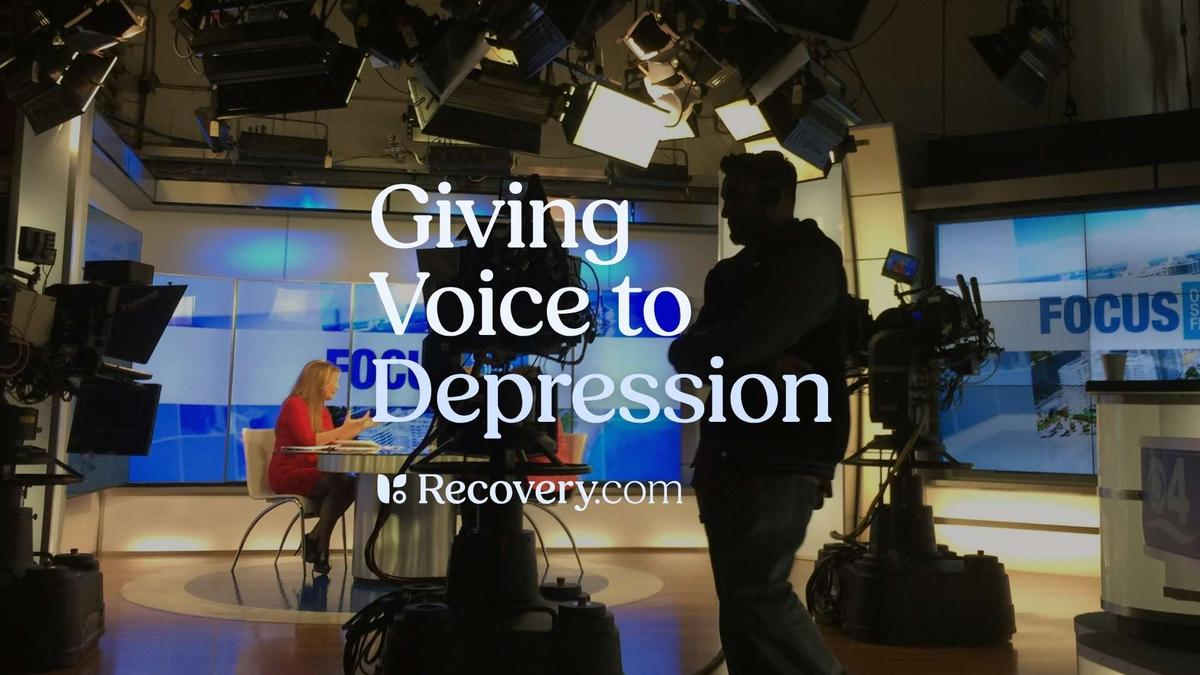
This article is a summary of a conversation from the Giving Voice to Depression podcast hosted by Terry McGuire. In this episode, Terry speaks with Milwaukee television news anchor Ted Perry, who publicly shared his experience living with depression for the first time. His story illustrates how therapy, medication, healthy habits, and hope helped him move from simply surviving to genuinely enjoying life again.
More importantly, Ted's willingness to speak openly demonstrates that depression is not something to hide. It is a treatable medical condition, and asking for help is one of the strongest decisions a person can make.
1. Break the Stigma Around Depression
For years, Ted believed that if he ever experienced a serious personal challenge, he would keep it private. As a television journalist, he preferred to tell other people's stories rather than his own.
Depression became the exception.
After listening to Giving Voice to Depression while preparing a news story, Ted realized the podcast wasn't about hopelessness. It was about recovery. The guests weren't simply describing pain—they were showing that there are ways through it.
Ted explained why he decided to speak publicly:
There's no perceived shame about talking about your battle with Lupus or whatever it may be. So why should there be with this?
He also realized he no longer wanted to remain a silent observer while others courageously shared their experiences.
By adding his own story, Ted hoped to become one more voice reminding people that depression deserves the same openness and compassion as any other illness.
Every honest conversation about mental health helps reduce stigma for someone else.
2. Depression Doesn't Need a Cause
Looking back, Ted believes depression may have entered his life during college.
By most measures, life was going well. He was attending the university he had always wanted to attend, had close friends, and enjoyed a supportive family.
Yet something still felt wrong.
Like many people experiencing depression for the first time, he assumed changing his circumstances would make him happier. He even considered transferring schools before his sister encouraged him to understand what was making him unhappy instead.
That advice stayed with him because it pointed toward an important truth:
Depression doesn't always have a logical explanation.
People living with depression often hear comments such as:
- "You have so much to be grateful for."
- "Your life seems great."
- "Why would you be depressed?"
Those questions unintentionally reinforce the myth that depression must always be triggered by obvious hardship.
Ted's experience reminds us that depression is a health condition—not simply a reaction to life circumstances.
3. How Therapy Supports Depression Recovery
Years later, while coping with his father's illness, Ted casually mentioned to a friend that maybe he should "see a shrink."
He expected the idea to disappear.
Instead, his friend encouraged him.
After hearing Ted describe how overwhelmed and emotionally exhausted he felt, his friend admitted that he had also benefited from seeing a therapist. That simple conversation challenged Ted's assumptions about counseling.
Although he eventually made an appointment, he admits he was incredibly anxious walking into his therapist's office.
As Ted remembered:
I was so nervous going in there, like I could have been getting my first prostate exam and not have been this nervous.
His anxiety wasn't really about therapy.
It was about vulnerability.
When the therapist asked him about his family and gently questioned whether his father was dying, Ted immediately broke down. For the first time, he felt seen without being judged.
That experience completely changed his perception of therapy.
Rather than fixing him, therapy gave him a safe place to understand his emotions and process overwhelming grief.
4. Why Asking for Help Matters
One of Ted's biggest realizations was that asking for help isn't weakness.
It's strength.
For years, he believed he should be able to handle depression alone. Like many people, he worried that needing therapy somehow reflected a personal failure.
Instead, treatment taught him exactly the opposite.
Reflecting on his experience, Ted shared:
You are a better person and a stronger person for admitting you can't deal on this alone.
Depression often convinces people that isolation is safer than honesty.
Recovery usually begins when someone breaks that isolation.
Whether the first conversation happens with a therapist, physician, trusted friend, or family member, reaching out interrupts one of depression's most destructive patterns: suffering in silence.
Professional support also offers benefits that loved ones cannot always provide, including:
- Evidence-based treatment
- Practical coping strategies
- Confidential guidance
- Objective perspective
- Ongoing accountability
Ted believes even one conversation can become the beginning of healing.
5. Depression Is a Medical Condition
After his father's death, Ted moved to Milwaukee for a new job and a fresh start.
Unfortunately, depression moved with him.
He remembers calling in sick repeatedly during those early years. At the time, he felt guilty because he wasn't physically ill in the traditional sense.
Looking back, he now recognizes that depression itself was the illness.
Ted described those mornings this way:
I remember thinking, what do I have to do to get back into bed? How do I get through this day?
Terry immediately challenged the guilt Ted still carried.
As Terry gently reminded him:
You were sick.
That brief exchange captures one of the episode's most important lessons.
Depression deserves the same understanding as any other medical condition.
It affects sleep, concentration, appetite, motivation, energy, relationships, and the ability to function. Yet many people continue blaming themselves because they don't appear physically ill.
Recognizing depression as an illness—not a personal weakness—helps replace guilt with self-compassion.
Instead of asking, "Why can't I just get over this?" people can begin asking a much healthier question:
"What support do I need to recover?"
6. How Medication Can Help Depression
Ted also wanted to address one of the biggest misconceptions about treating depression: the idea that antidepressants are simply "happy pills."
For him, medication didn't create artificial happiness or erase life's challenges. Instead, it helped restore balance, making it easier to experience life without depression weighing down every thought and decision.
As Ted explained:
People think they're happy pills... It levels your chemicals. If I go off Wellbutrin am I dangerous? No, of course not. Life then becomes more sloggy and weighted... It just allows me to go on in a pretty normal thing and not let the highs and lows get me.
His perspective is an important reminder that medication isn't about changing who someone is. When it works, it helps people become more like themselves by reducing the symptoms that interfere with everyday life.
Ted also emphasized that medication wasn't his entire treatment plan. It became one tool among many, working alongside therapy and healthy lifestyle habits.
For anyone considering medication, his story reinforces that treatment is highly personal. Finding the right medication and dosage can take time, but for many people, it becomes an essential part of recovery.
7. Build Your Mental Health Toolbox
One of the strongest themes throughout Ted's conversation is that recovery rarely depends on one solution.
Instead, he described building a toolbox filled with resources he could rely on whenever depression became more difficult to manage.
As Ted shared:
There were times when I needed every tool at my disposal to get through the day. That was exercise, that was a little medication, reflection, meditation, and religion.
Over time, Ted discovered additional tools that helped him stay emotionally healthy.
One of his favorites became kayaking. Spending time on the Milwaukee River allowed him to disconnect from daily stress and reconnect with himself.
He also spoke about the comfort and routine pets can provide. Caring for another living creature creates responsibility, companionship, and unconditional acceptance—all valuable protective factors for mental health.
Ted's toolbox included:
- Regular physical activity
- Therapy and occasional "tune-ups"
- Medication when appropriate
- Reflection, meditation, or prayer
- Faith and spiritual practices
- Time outdoors
- Pets and meaningful daily routines
No single tool solved everything.
Together, however, they created a strong foundation that helped Ted manage depression before it became overwhelming.
His experience reminds listeners that everyone's toolbox will look different. The goal isn't perfection—it's having multiple healthy ways to respond when depression begins pulling life off balance.
8. Why Hope Matters in Depression
If there is one message Ted hopes listeners remember, it's the importance of hope.
He believes depression's greatest danger isn't simply sadness.
It's convincing people that nothing will ever get better.
As Ted reflected:
That's the worst thing about depression, is that it takes away hope. If there's like a little ember of hope burning, blow on it, stoke it, feed it... You do get through this, there is an other side of this.
That image of a small ember perfectly captures how hope often feels during depression.
It may not feel powerful.
It may barely feel present.
But even the smallest amount of hope can become enough to schedule another therapy appointment, take medication one more day, or ask someone for support.
Ted acknowledged that his own recovery took time. There were months when depression affected nearly every part of his life.
Yet little by little, treatment, healthy habits, and persistence began changing how he experienced the world.
As Ted beautifully described that shift:
All that darkness, there's a crack in it so that light can come in.
For someone living with depression today, that may be the most reassuring message in the entire conversation.
The darkness is real.
But it doesn't always last forever.
9. How Stigma Delays Healing
Looking back, Ted says his greatest regret wasn't having depression.
It was believing he needed to hide it.
For years, he viewed depression as a character flaw instead of recognizing it as a health condition. That belief influenced many of his decisions, especially in romantic relationships.
Rather than allowing partners to understand what he was experiencing, he often ended relationships because he assumed they would eventually see him as broken or become burdened by his struggles.
Reflecting on those years, Ted shared:
I was ashamed of it. I thought, man, this is a fricking character flaw. It's not a character flaw... I call that wasted time.
That phrase—"wasted time"—captures the hidden cost of stigma.
Depression already steals energy, motivation, and joy.
Shame can steal years.
When people believe they must hide their struggles to be accepted, they miss opportunities for genuine connection and support.
Ted's story reminds listeners that depression didn't ruin those relationships.
Silence did.
Breaking that silence became one of the most healing decisions he ever made.
10. Sharing Your Story Creates Hope
This episode was part of what Giving Voice to Depression calls a "Ripple Report."
Terry often compares each guest's story to a pebble dropped into water. The initial splash reaches only one spot, but the ripples continue spreading outward, touching people the speaker may never meet.
Ted's own journey reflects that idea.
At first, he assumed a podcast about depression would be depressing. Instead, he discovered honest conversations filled with practical advice, compassion, and hope.
Listening to those stories inspired him to tell his own.
His willingness to speak publicly as a respected television journalist sends a powerful message:
Depression affects people from every profession, every background, and every stage of life.
When one person chooses honesty over silence, someone else may finally recognize they aren't alone.
That single conversation can become the first ripple in another person's recovery.
Our Promise
How Is Recovery.com Different?
We believe everyone deserves access to accurate, unbiased information about mental health and recovery. That's why we have a comprehensive set of treatment providers and don't charge for inclusion. Any center that meets our criteria can list for free. We do not and have never accepted fees for referring someone to a particular center. Providers who advertise with us must be verified by our Research Team and we clearly mark their status as advertisers.
Our goal is to help you choose the best path for your recovery. That begins with information you can trust.