Find Treatment By
Rehabs by Location


Learn
About Us
Recovery.com combines independent research with expert guidance on addiction and mental health treatment. Our mission is to help everyone find the best path to recovery through the most comprehensive, helpful network of treatment providers worldwide.
Advisory Council
Our advisory council brings together leaders in behavioral health, technology, and business. Their diverse expertise ensures our resources and product are innovative, evidence-based, and effective. They guide our mission as accomplished individuals dedicated to improving the landscape of addiction recovery and mental wellness.
Lauren Gaffney’s 7 Lessons on Addiction, Incarceration, and Finding Freedom in Recovery


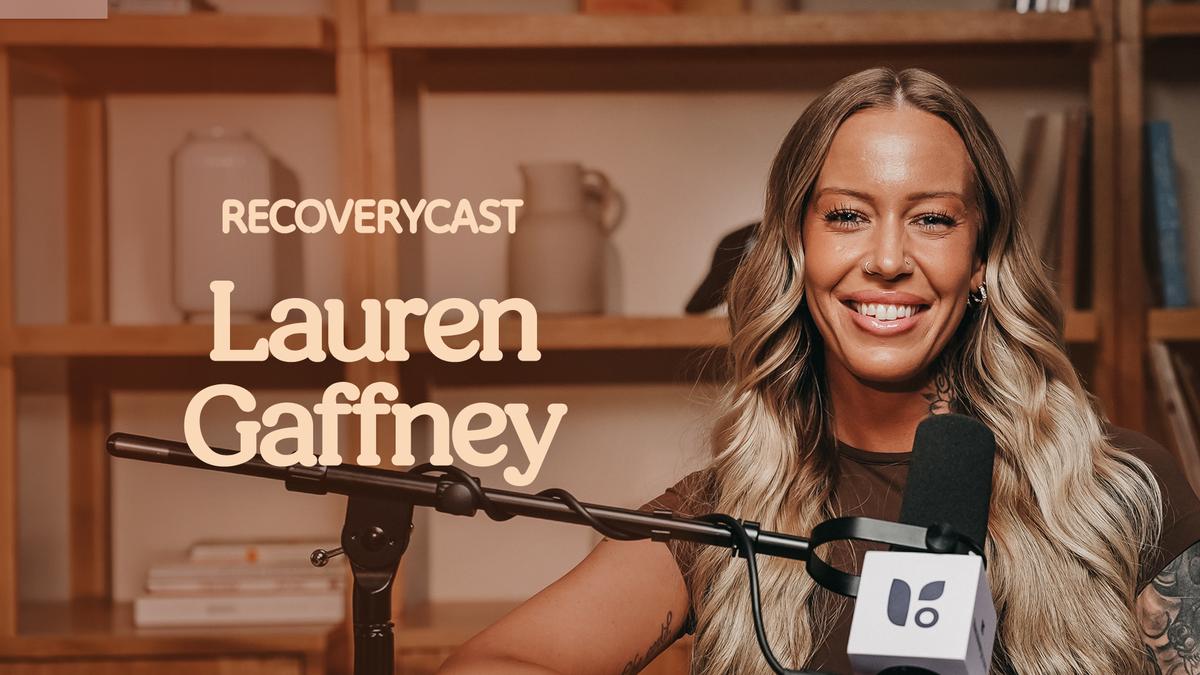
For years, Lauren Gaffney couldn’t imagine the life she has today.
Her substance use began as a teenager, eventually escalating into opioid and heroin addiction, repeated arrests, treatment attempts, serious health consequences, and a year in state prison. At her lowest, Lauren says she had lost hope that long-term sobriety was even possible.
Today, her life looks very different. Lauren has built stronger relationships with her family, found a recovery community, and turned her lived experience into a career helping others as an alumni coordinator at All In Solutions. She also openly shares her recovery story on social media.
On this episode of Recoverycast, Lauren talks candidly about how addiction gradually took over her life, why previous attempts at sobriety didn’t last, and what finally helped her build a life in recovery.
Here are seven lessons from her story.
1. Addiction Didn’t Look the Way She Expected It To
Lauren remembers herself as a happy, outgoing child. She had loving parents, played sports, went on family vacations, and earned the nickname “social butterfly” because she loved being around people.
She had her first drink at 14, not because she particularly wanted alcohol, but because she worried about losing her friends if she didn’t join them. Soon, the secrecy and rebellion became exciting. She started spending time with older kids, smoking marijuana every day, and experimenting with other substances.
Looking back, Lauren can recognize addictive patterns that she couldn’t see at the time. Substance use had become a daily part of her life, but many people around her were doing the same things. That made it easier to minimize what was happening.
That pattern continued as her opioid use escalated. She still had a car, a job, and a family that didn’t fully understand what was going on. She didn’t fit the image she had in her head of what someone with an addiction was “supposed” to look like.
That disconnect kept her from recognizing the severity of the problem. As Lauren recalls, she simply thought, “We’re just doing these things every day.” From inside the situation, it didn’t yet seem as serious as it actually was.
2. Substance Use Slowly Replaced the Things She Cared About
Lauren’s story doesn’t have a single moment when everything suddenly changed. Instead, her world gradually became smaller.
In high school, she stopped caring about hobbies and activities she once enjoyed. Eventually, getting high with friends mattered more. Later, after her opioid use progressed to heroin, her days revolved around finding money, traveling to get drugs, and using.
The social butterfly who once loved being around people also began isolating herself. Lauren says she often preferred using alone because other people interfered with the experience.
“I was so alone, even surrounded by other people.”
Her relationships with her family remained, but genuine connection became difficult. Her mother worried when Lauren disappeared for days and feared she might eventually find her dead in her bedroom. Lauren describes herself during that period as a “complete shell of a human being.”
It’s a striking contrast in her story. What began partly from a desire to belong eventually left her profoundly isolated.
Explore Drug Addiction Treatment Centers
3. Consequences Alone Weren’t Enough to Make Her Ready for Recovery
Lauren experienced consequences that, from the outside, might seem like obvious reasons to stop.
She was arrested repeatedly. She went in and out of jail and treatment. She lost her license. She developed a severe blood infection in her arm and was told that arriving at the hospital any later could have resulted in losing it. During another period of active addiction, she developed cellulitis in her foot and delayed getting medical care because she did not want to stop using.
Still, Lauren says she had “absolutely no interest in getting sober” for years.
Treatment sometimes came through the court system. Other times, her parents encouraged her to go. But the desire was coming from the people around her, not from Lauren herself.
“Everybody around me wanted me to get sober, but I didn’t at all.”
Her experience illustrates one of the complicated realities of addiction recovery. Serious consequences can accumulate without immediately producing lasting change. Lauren believes people reach that point at different times, and she does not pretend to know exactly what makes it happen.
For her, willingness came later.
4. Relapse Didn’t Erase What She Had Already Learned
Before her current period of recovery, Lauren had nearly two years sober.
Then she began using marijuana. In her mind, it was different from the substances that had previously caused so much destruction. But within a month, she says she was using crack cocaine again.
The relapse hit her hard. Instead of looking at her previous two years and thinking, “I did it before, I can do it again,” Lauren felt the opposite.
“I lost all hope,” she recalls.
She began to believe long-term sobriety simply was not possible for her. Looking back, Lauren also realized that while she had attended Alcoholics Anonymous (AA) during her earlier period of sobriety, she wasn’t applying its principles to the rest of her life.
“I can show up all I want to a meeting. But if I’m not living all of these principles into my everyday life, it’s not doing anything for me.”
Her story reframes relapse as part of a much larger journey. The loss of those nearly two years was devastating to her, but it wasn’t the end of her recovery story.
5. Her Turning Point Came When She Realized She Didn’t Want This to Be Her Life
On May 2, 2019, sheriffs arrived at Lauren’s family home.
She had outstanding warrants after missing court dates, something she says she hadn’t typically done before. Lauren remembers the number of officers outside, her brother opening the door, and law enforcement banging on her locked bedroom door.
At the time, she was upset. Looking back, she also recognizes another emotion: relief.
“I don’t think that I would have gotten myself sober,” she says. Lauren describes her arrest as an intervention that physically removed her from active addiction. She ultimately spent a year in state prison.
While incarcerated, Lauren participated in a therapeutic community program focused on recovery. She began exploring her self-esteem, fears, coping mechanisms, and the experiences beneath her substance use. She believes that work helped shift her mindset.
Eventually, the reality of her situation became impossible to ignore.
“I got to prison, and I looked around, and I was like, this is literally going to be my life if I don’t get sober,” Lauren says.
Then came the thought that changed the direction of her life: “I just don’t want to live like this anymore.”
There had to be another way.
6. Community Helped Turn Sobriety Into a Way of Life
Leaving prison didn’t mean Lauren suddenly had everything figured out.
She initially considered returning to her family home, but her brother set a boundary. Lauren now says she is grateful he did. Instead, she moved into recovery housing.
That environment became an important bridge between incarceration and independent life. Lauren lived in recovery and sober housing for roughly two and a half years, surrounded by women who were also working toward recovery.
She also reconnected with a sponsor and became more involved in AA. When she noticed herself becoming complacent, she made a commitment at a local clubhouse known for its old-school approach and direct feedback.
Lauren laughs about the people there being “mean,” but she says their honesty, discipline, and accountability were exactly what she needed.
“Those people literally saved my life.”
Every Friday, she returned. She arrived early, spent time with the same group, and became part of the community. Recovery stopped being something she was doing alone.
That lesson continues to shape her life today. Even years into sobriety, Lauren says she still asks for help and relies on meetings, friends, her sponsor, and her sober network.
7. Recovery Gave Her the Freedom to Show Up for Other People
Some of the biggest changes in Lauren’s life are also the simplest.
She can be present.
She can spend time with her niece and nephew without wondering when she can leave to get high. Her family can trust that Lauren is going to show up. Her relationships with her mother, brother, and sister have grown stronger in sobriety.
She has also turned her experience into a career. As an alumni coordinator at All In Solutions, Lauren supports people during treatment and stays connected with them after discharge. She helps organize alumni meetings and events that allow people in recovery to build relationships with others who understand what they’ve been through.
In many ways, she is now helping the person she once was.
When asked why recovery was worth fighting for, Lauren comes back to one word: freedom.
She doesn’t claim that recovery eliminates fear, grief, or bad days. Instead, it’s given her tools for moving through those experiences without returning to substance use.
“They never promised me that I wasn’t going to have bad days. They just promised me that I could learn how to stay sober through them.”
For Lauren, that freedom was built one day at a time. Eventually, days became months, months became years, and a life she once couldn’t imagine became the life she was actually living.
Recovery Can Start With Asking for Help
Lauren’s story doesn’t offer a neat formula for recovery. Her path included trauma, escalating substance use, treatment attempts, relapse, incarceration, sober living, 12 Step support, family boundaries, and years of rebuilding.
But one lesson runs through nearly every chapter: she didn’t have to figure it all out alone.
Her message to someone who feels trapped in addiction is simple: “You’re not too far gone.”
Even after years in recovery, Lauren says she continues to ask other people for help. For her, recovery is about having people, tools, and support to turn to when life gets difficult.
Listen to the full Recoverycast episode to hear more of Lauren Gaffney’s story, and consider sharing it with someone who may need a reminder that change can happen one day at a time. If you or someone you love is struggling with addiction, Recovery.com can help you explore treatment options and find support that fits your needs.














Our Promise
How Is Recovery.com Different?
We believe everyone deserves access to accurate, unbiased information about mental health and recovery. That's why we have a comprehensive set of treatment providers and don't charge for inclusion. Any center that meets our criteria can list for free. We do not and have never accepted fees for referring someone to a particular center. Providers who advertise with us must be verified by our Research Team and we clearly mark their status as advertisers.
Our goal is to help you choose the best path for your recovery. That begins with information you can trust.