Find Treatment By
Rehabs by Location


Learn
About Us
Recovery.com combines independent research with expert guidance on addiction and mental health treatment. Our mission is to help everyone find the best path to recovery through the most comprehensive, helpful network of treatment providers worldwide.
Advisory Council
Our advisory council brings together leaders in behavioral health, technology, and business. Their diverse expertise ensures our resources and product are innovative, evidence-based, and effective. They guide our mission as accomplished individuals dedicated to improving the landscape of addiction recovery and mental wellness.
Johnny Persón’s 6 Powerful Lessons on Addiction, Recovery, and Building a Life Beyond His Wildest Dreams


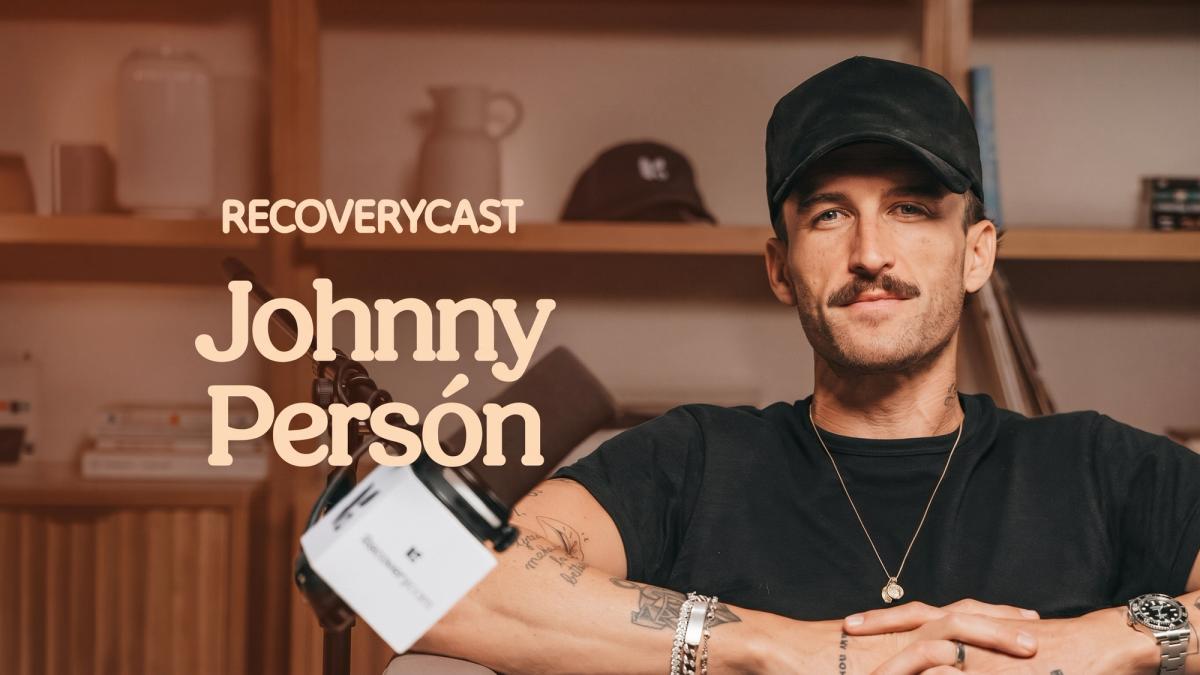
Before Johnny Persón had nearly 16 years of sobriety behind him, a successful apparel company, and hundreds of thousands of people following his story online, he was 20 years old and struggling to imagine a future for himself.
His addiction to alcohol, benzodiazepines, opioids, and other substances had contributed to arrests, homelessness, shattered relationships, and the possibility of a six-year prison sentence. Johnny remembers believing he would never figure out how to build a life for himself.
Today, the founder of apparel brand Aug 11 tells a very different story. But on Recoverycast, Johnny is clear that his transformation didn’t happen because everything suddenly became easy. Recovery meant asking for help, changing his environment, finding people who showed him another way to live, and repeatedly taking the next step even when he couldn’t see where the path would lead.
Here are six lessons from Johnny’s story about addiction, recovery, resilience, and what’s possible when someone gives themselves the chance to start again.
1. The Search for Belonging Can Shape More Than You Realize
Johnny grew up immersed in Southern California's action-sports, punk-rock, and skateboarding culture. He was ambitious from an early age, first imagining himself as a professional baseball player and later dedicating himself to skateboarding.
But high school brought a new feeling: being an outsider. Johnny was the “skateboarding kid” at a school where he felt surrounded by people whose lives looked different from his. The other kids’ parents were together. They had nice cars and homes. He wanted to know what it felt like to belong with them.
At a house party, alcohol and marijuana seemed to provide an answer. Suddenly, he was hanging out with football players and cheerleaders and feeling accepted by people he had struggled to connect with before. As he recalls, the feeling was essentially, I’ve arrived.
That desire to fit in became an important thread in Johnny’s story. Years later, recovery would give him another version of belonging—one built around connection, honesty, and people who understood where he’d been.
2. Sometimes the Turning Point Is Realizing Who Else Is Hurting
By his late teens, Johnny’s substance use had escalated significantly. He describes blacking out regularly, struggling to keep jobs or attend school, stealing to support his addiction, and cycling through detox and short periods without substances.
Eventually, legal consequences caught up with him. While in jail and facing the possibility of a six-year prison sentence, Johnny called his mother looking for help. Instead, she put his seven-year-old sister on the phone.
Johnny doesn’t remember their entire conversation, but one question stuck out: “Does this mean you’re not going to live with me?”
Something shifted. Johnny had always seen himself as his little sister’s protector. Hearing her voice made him recognize that addiction wasn’t only affecting his own future. “My heart broke open,” he recalls. He could see how much pain had spread through his family.
That conversation stayed with him long after jail. Years later, when he created his apparel brand, he named it Aug 11 after his sister’s birthday, connecting the company to the moment he says helped change the direction of his life.
3. Recovery May Require Changing More Than Substance Use
While incarcerated, Johnny began looking for anything that might show him a different path. His father brought him the Basic Text of Narcotics Anonymous, which he read and took notes on. He attended Alcoholics Anonymous meetings, church services, groups, and other programs available to him.
One message kept coming up: if he wanted his life to change, he couldn’t simply stop using substances and return to everything else exactly as it had been.
“The one thing you have to change when you get out of here,” he remembers hearing, “is everything.”
Johnny took that message seriously. When he left jail, he deleted nearly every phone number from his phone, keeping only a childhood friend who didn’t misuse substances and his parents. He entered treatment, moved into sober living, and began doing the uncomfortable work of building new routines.
Recovery, in his experience, became more than removing substances. It meant creating a life that could support the person he wanted to become.
Explore Drug Addiction Treatment Centers
4. Finding Your People Can Make Recovery Feel Possible
One day after leaving jail, Johnny walked into a recovery meeting terrified. He planned to sit quietly in the back, drink his coffee, and avoid drawing attention to himself.
That plan didn’t last long. Someone he knew called on him, and Johnny found himself saying what he actually felt: he had just gotten out of jail, he was scared, he had no idea what to do with his life, and he needed help.
That honesty connected him with a sponsor. It also eventually connected him with a group of young people in recovery who challenged his assumptions about sober life. Johnny had pictured recovery meetings as rooms filled with older men drinking coffee. Instead, he met people his age who went to movies, played ping pong, dated, laughed, and had fun.
“I was like, oh my God, there is hope for me.”
The feeling he’d been chasing since adolescence finally appeared in a different form. Johnny had found people with whom he could be honest, vulnerable, and still feel accepted. This time, belonging was helping him build a life instead of escape from one.
5. Recovery Can Be About Building Self-Belief, Not Just Staying Sober
Johnny’s life didn’t instantly transform after treatment. His career developed over years. He modeled, worked as a graphic designer, moved into fashion sales, became a director of international sales, ran a fashion wholesale agency, entered the crypto industry, and eventually decided to build a brand of his own.
The idea had roots stretching back to childhood. Johnny had grown up around Southern California action sports and clothing brands and remembered thinking that someday he wanted to create something like them.
He started simply: hats. He knew little about e-commerce, so he learned. Aug 11 eventually grew into a company doing multiple seven figures in annual revenue.
But the accomplishment he emphasizes isn’t only financial. Treatment, therapy, 12-Step work, and years of confronting uncomfortable parts of himself helped him develop something he once lacked—belief in his own ability to build a meaningful life.
At 20, Johnny says he thought he would be broke forever. Now, when he looks at everything he’s built, he sees the result of repeatedly putting “one foot in front of the other.”
6. It’s Never Too Late to Write a Different Story
Nearly 16 years into sobriety, Johnny continues to work on himself. He describes therapy alongside his years of 12-Step work as one of the most transformative combinations in his recovery.
That ongoing growth also shapes the message behind Aug 11. Its tagline, “Unbreakable Resilience,” reflects what Johnny wants people to take from his story.
“No matter how far down the rungs of life you have gone, there is always a redemption story available for you.”
Johnny knows the feeling of believing there is no way out. His response isn’t to promise that rebuilding happens overnight. Instead, he points to something smaller. Take the first step. Then take another. Keep doing the work, including on the days when you don’t feel like doing it.
Over time, those steps can add up to a life that once seemed impossible. At 36, after addiction, homelessness, incarceration, treatment, nearly 16 years of sobriety, and an entirely rebuilt career, Johnny says he still feels like he is just getting started.
Recovery Is Built One Step at a Time
Johnny’s recovery story contains dramatic turning points, but perhaps its most useful lesson is that his transformation took time.
He grew through asking for help, finding community, accepting support, going to treatment, showing up for recovery, trying new things, going to therapy, rebuilding relationships, and continuing forward without knowing exactly where those choices would lead.
For anyone who feels trapped by what has already happened, his story offers a hopeful reminder that the past can be part of someone’s story without having to determine its ending.
Listen to Johnny Persón’s full episode of Recoverycast to hear more about his journey through addiction and recovery, the experiences that changed his life, and how he turned the idea of “unbreakable resilience” into something he tries to live every day.
If Johnny’s story made you think of someone who may need to hear it, consider sharing this episode with them.
And if you or someone you care about is struggling with addiction, Recovery.com can help you find and compare treatment options and take the next step toward getting support.
Our Promise
How Is Recovery.com Different?
We believe everyone deserves access to accurate, unbiased information about mental health and recovery. That's why we have a comprehensive set of treatment providers and don't charge for inclusion. Any center that meets our criteria can list for free. We do not and have never accepted fees for referring someone to a particular center. Providers who advertise with us must be verified by our Research Team and we clearly mark their status as advertisers.
Our goal is to help you choose the best path for your recovery. That begins with information you can trust.