Find Treatment By
Rehabs by Location


Find Treatment By
Learn
About Us
Recovery.com combines independent research with expert guidance on addiction and mental health treatment. Our mission is to help everyone find the best path to recovery through the most comprehensive, helpful network of treatment providers worldwide.
Advisory Council
Our advisory council brings together leaders in behavioral health, technology, and business. Their diverse expertise ensures our resources and product are innovative, evidence-based, and effective. They guide our mission as accomplished individuals dedicated to improving the landscape of addiction recovery and mental wellness.
Jason and Ashley Wahler’s 10 Honest Lessons for Navigating Addiction, Relapse, and Family Recovery


Kayla Currier is a Senior Web Content Editor at Recovery.com. She received her B.A. in Journalism and Media Studies at the University of South Florida where she served as a contributing writer and editor for the Crow’s Nest.
Kayla Currier is a Senior Web Content Editor at Recovery.com. She received her B.A. in Journalism and Media Studies at the University of South Florida where she served as a contributing writer and editor for the Crow’s Nest.
Table of Contents
- 1. Recovery Shapes a Relationship From Day One
- 2. Addiction Affects the Entire Family, Not Just the Person Struggling
- 3. Secrets Keep You Sick, Honesty Sets You Free
- 4. Relapse Is Devastating, but It Can Also Be a Turning Point
- 5. Both Partners Need Recovery Tools to Heal and Move Forward
- 6. Media Portrayals Rarely Show the Real Consequences of Addiction
- 7. Postpartum Depression Is Real, Dangerous, and Deeply Misunderstood
- 8. Addiction Recovery Creates Emotional Maturity and Deeper Connection
- 9. If You Think Your Partner Is Struggling, Trust Your Intuition
- 10. The Life You Gain in Recovery Is Worth Every Difficult Step
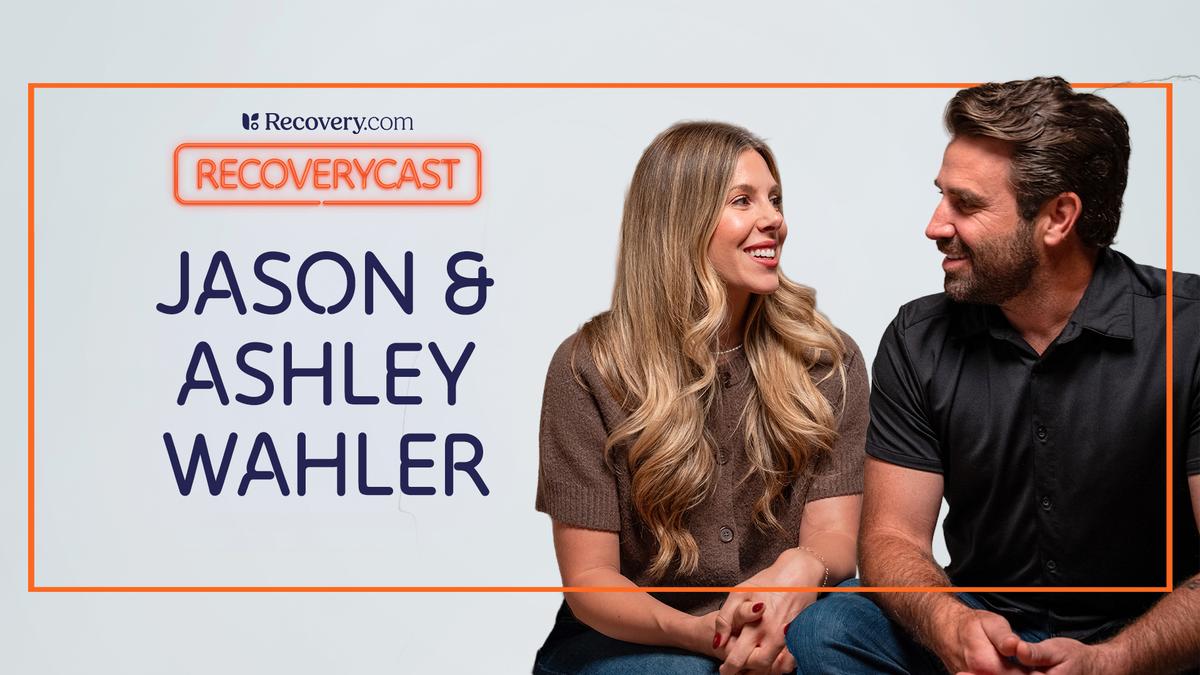
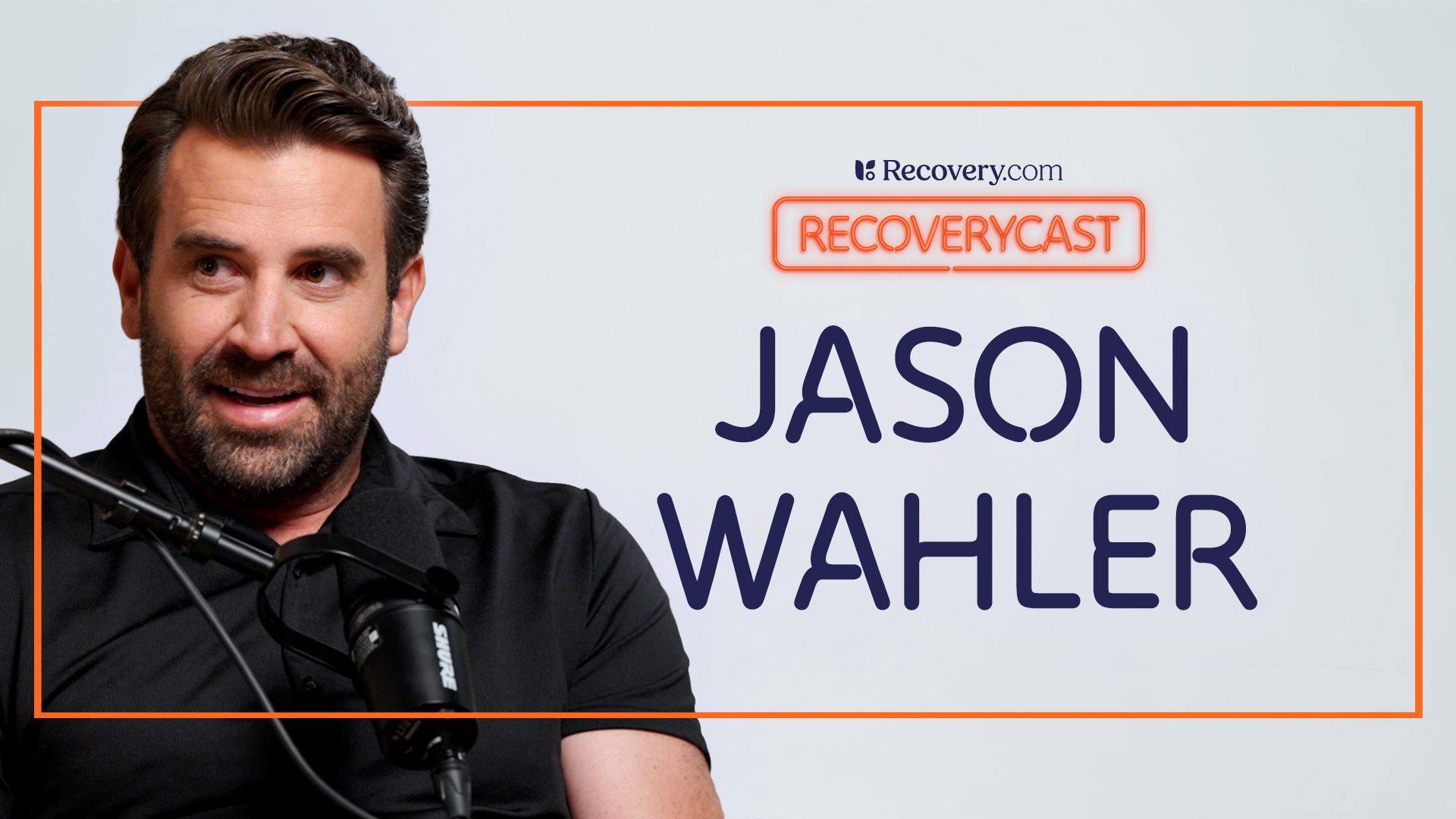
On this episode of Recoverycast, we sit down with Jason and Ashley Wahler for an emotional and honest conversation about family and recovery. Jason, known from the hit series Laguna Beach, The Hills, and Celebrity Rehab, and Ashley, who has since become a powerful advocate for recovery, open up about what happens behind closed doors when addiction enters a home.
Last week, Jason shared his story of early fame colliding with untreated mental health struggles that escalated quickly and nearly cost him everything. After getting sober, he chose to speak publicly about his journey, using his platform to educate, inspire, and offer hope.
This week, Ashley joins as the couple peels back the curtain not just on addiction itself, but the ripple effects that shape marriages, families, identity, and healing. Their story is more than a celebrity recovery narrative. It’s a portrait of what it looks like to fight for sobriety together, rebuild trust, break generational cycles, and navigate life’s darkest seasons as a team.
From early dating to relapse, from Al-Anon breakthroughs to postpartum depression, Jason and Ashley speak with a vulnerability that makes this episode a must-listen for anyone touched by addiction or mental health struggles.
1. Recovery Shapes a Relationship From Day One
When Jason and Ashley met in 2011, sobriety wasn’t a footnote; it was the headline. Jason shared during their very first date that his recovery and his faith were the most important parts of his life. Ashley recalls assuming sobriety meant everything would remain stable forever, not realizing how complex and unpredictable addiction can be.
Still, she cared deeply for him. By their third date, they were already inseparable, meeting each other’s families and forging a fast connection that felt safe and familiar. The foundation of their relationship was built on honesty early on, even when Ashley didn’t yet understand the realities of addiction.
Those early years also included sacrifices, boundaries, and choices most young couples never face. Ashley stopped drinking for over a year. They avoided party-heavy environments and swapped L.A. nightlife for quiet weekends in Lake Arrowhead. These weren’t rules, but rather intentional acts of love designed to give Jason the best chance at maintaining his recovery.
Their story shows that when addiction is part of the relationship, recovery isn’t a topic tucked in the margins. It becomes the framework, the rhythm, and the daily practice that shapes the partnership itself.
2. Addiction Affects the Entire Family, Not Just the Person Struggling
Ashley describes addiction as a family disease, something she didn’t fully understand until Jason’s relapse years later. She explains that while the person struggling gets treatment, support, and clinical help, the partner often receives none of those resources unless they seek them out intentionally.
During the worst years, Ashley’s entire world revolved around Jason’s addiction. She lost herself in caretaking, lying to others to cover for him, and shaping her life around his disease. She remembers not even knowing what hobbies she enjoyed anymore.
This is why discovering Al-Anon became a turning point. As she put it, “The clouds parted.” She realized she wasn’t alone, she wasn’t crazy, and she wasn’t responsible for curing Jason. Recovery for her meant boundaries, honesty, and rebuilding her own identity.
Their experience underscores an essential truth: healing only works when both people grow. If one partner moves forward while the other stays stuck in old patterns, resentment grows, roles shift, and the relationship fractures. Recovery thrives most when families recover together.
3. Secrets Keep You Sick, Honesty Sets You Free
Both Jason and Ashley describe the power that secrets hold in addiction. Ashley remembers attending Al-Anon meetings and lying about Jason’s sobriety because she was ashamed and terrified to admit the truth. Those lies only deepened her depression and isolation.
Jason, too, had moments when he tried to hide drinking or minimize the severity of his relapse. The shame cycle kept him stuck, and Ashley unknowingly participated by calling his boss to say he had the flu when he was actually passed out.
They are transparent now because secrecy almost destroyed them. Their message is simple but crucial: addiction feeds on silence. Healing begins when the truth enters the room.
Explore Drug Addiction Treatment Centers
4. Relapse Is Devastating, but It Can Also Be a Turning Point
One of the most emotional parts of their story is Jason’s relapse around the birth of their daughter. He was in detox when she was born, left, relapsed again, and eventually entered his 13th treatment program when their daughter was six months old.
It was a breaking point for Ashley. Her life had become unpredictable and chaotic, and she finally told the truth to people who could help. Jason’s entry into recovery wasn’t just about getting sober; it was about rebuilding trust, learning emotional maturity, and doing long-term work rather than expecting quick fixes.
They both emphasize that relapse doesn’t mean failure. It means the person needs deeper support, longer treatment, and the right tools. And while relapse can hurt a relationship, it can also lead to profound clarity when both partners commit to recovery.
5. Both Partners Need Recovery Tools to Heal and Move Forward
Today, Jason leans on a range of recovery tools: meetings, therapy, spiritual practices, gratitude lists, exercise, accountability groups, and staying grounded in service. His structure keeps him stable. As he says, “Structure and consistency create safety.”
Ashley’s tools look different but are just as essential. Al-Anon gave her stability, boundaries, and a community. Couples therapy for three years helped them learn to communicate instead of fighting. She rebuilt her identity through hobbies, spiritual connection, and surrounding herself with supportive women.
Their message is clear: recovery isn’t something one person does. A relationship survives addiction when each partner commits to their own growth and healing.
6. Media Portrayals Rarely Show the Real Consequences of Addiction
Rewatching Laguna Beach as adults was eye-opening for both of them. Ashley recalls spotting the signs of addiction on camera that producers ignored. Red cups, cigarette smoke, drunken slurring—all filmed while the cast was underage.
What felt glamorous to viewers at the time now looks, in hindsight, like a group of unsupervised kids struggling on national TV. Ashley was struck by how Jason’s addiction was framed as drama rather than a child in crisis. Jason reflects on how the show didn’t show consequences, only entertainment.
This reflection highlights an important point for anyone consuming media: the full story behind addiction is rarely visible. Real recovery takes place long after the cameras stop rolling.
7. Postpartum Depression Is Real, Dangerous, and Deeply Misunderstood
Ashley’s account of postpartum depression (PPD) is one of the most vulnerable moments in the episode. Three months after giving birth to their son, she spiraled into severe PPD marked by intrusive thoughts, panic, and physical distress so overwhelming she describes it as “a demon taking over my body.”
Ashley described the heartbreaking things she experienced while struggling with PPD: screaming on the Peloton, imagining drowning herself, clawing at her own skin to escape the feeling. Even with a loving husband and a happy baby, she was drowning internally.
Her OB saved her life by validating her symptoms, hugging her, and giving her a clear plan of care, including a medication called Zurzuvae. The medication stabilized her brain chemistry and gave her the capacity to recover emotionally and spiritually.
Ashley wants other mothers to know that postpartum depression is not a failure. It’s not a weakness. And seeking help is not optional; it’s life-saving.
8. Addiction Recovery Creates Emotional Maturity and Deeper Connection
Jason explains that emotional development can freeze at the age when addiction begins. For him, sobriety meant learning maturity all over again. Recovery didn’t just give him sobriety; it gave him the ability to be a stable husband, a present father, and someone who can communicate honestly.
Ashley adds that recovery provides life skills like accountability, empathy, presence, and purpose. When both partners do the work, they gain the kind of emotional depth and connection they never could have built during active addiction.
Their relationship now is built on boundaries, communication, and vulnerability. As Ashley says, “Recovery gives you the ability to know what serves you and what doesn’t.”
9. If You Think Your Partner Is Struggling, Trust Your Intuition
Ashley gives concrete signs from her own experience, like hidden alcohol bottles, empty pill containers, inconsistent stories, and an intuition that something was deeply wrong.
The most important advice she offers? Seek help sooner, and from professionals. Partners often become accidental enablers, covering up for their loved one and unknowingly protecting the disease.
Counseling, interventions, and support groups change outcomes. Silence does not.
Explore Support Meetings Treatment Centers
10. The Life You Gain in Recovery Is Worth Every Difficult Step
Jason speaks powerfully about what recovery has given him: purpose, joy, stability, fatherhood, emotional clarity, and a second chance at life. He reflects on how many people he has lost to addiction, including friends from Laguna Beach, and why speaking openly matters to him.
His message is simple: recovery is possible. Life can become beautiful again. And the grass is truly greener on the other side of addiction when you commit to healing.
If Jason and Ashley's story resonated with you, listen to the full episode for even more depth and heart. Share it with someone who might need hope today. And most importantly, remember: recovery doesn’t happen alone. There is help. There is healing. And there is a life worth fighting for on the other side.
Our Promise
How Is Recovery.com Different?
We believe everyone deserves access to accurate, unbiased information about mental health and recovery. That's why we have a comprehensive set of treatment providers and don't charge for inclusion. Any center that meets our criteria can list for free. We do not and have never accepted fees for referring someone to a particular center. Providers who advertise with us must be verified by our Research Team and we clearly mark their status as advertisers.
Our goal is to help you choose the best path for your recovery. That begins with information you can trust.