Find Treatment By
Rehabs by Location


Learn
About Us
Recovery.com combines independent research with expert guidance on addiction and mental health treatment. Our mission is to help everyone find the best path to recovery through the most comprehensive, helpful network of treatment providers worldwide.
Advisory Council
Our advisory council brings together leaders in behavioral health, technology, and business. Their diverse expertise ensures our resources and product are innovative, evidence-based, and effective. They guide our mission as accomplished individuals dedicated to improving the landscape of addiction recovery and mental wellness.
Jamie Hess’s 8 Life-Changing Lessons on Addiction, Gratitude, and Finding Happiness


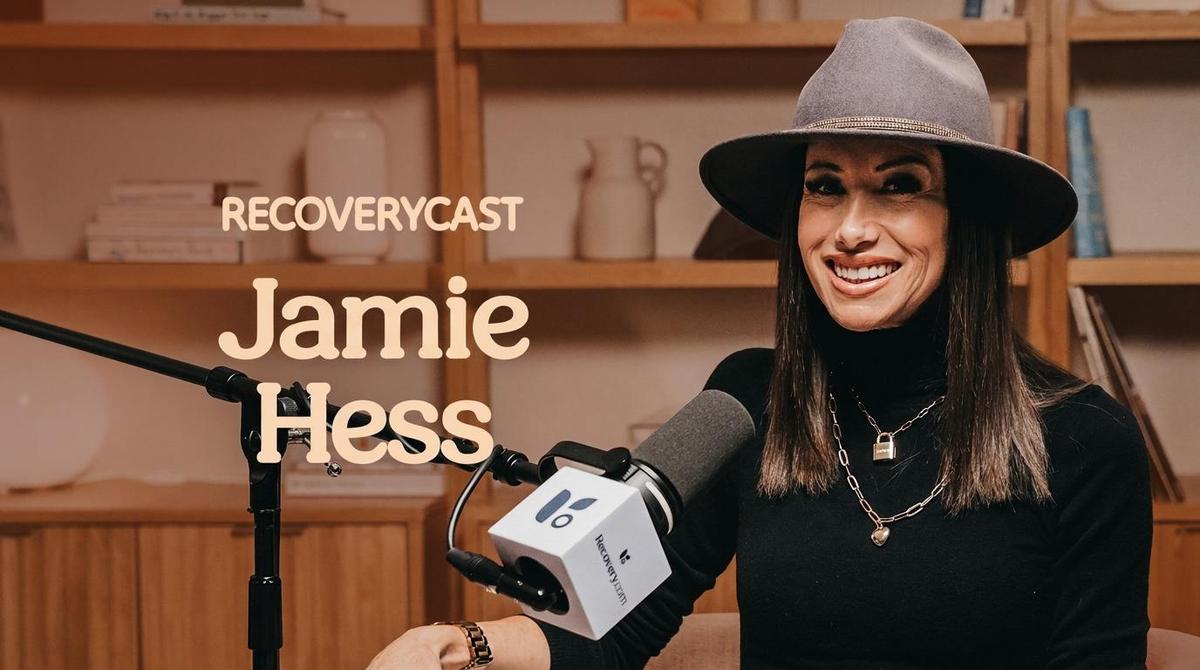
What happens when a glamorous life on the outside hides a struggle with addiction on the inside? For wellness expert, author, and podcast host Jamie Hess, the answer involved years of repeated attempts at sobriety and eventually discovering a new way to approach life through gratitude.
As the daughter of former Good Morning America co-host Joan Lunden, Jamie grew up surrounded by success and high expectations. By her early twenties, she had built a career in New York City's public relations and nightlife scene. But behind the parties and professional achievements, her drug use was becoming increasingly difficult to manage.
Today, Jamie shares the lessons she's learned through recovery as a wellness personality, host of The Gratitudeology™ Podcast, and author of The Gratitude Shift: An A-to-Z Guide to Reset Your Mindset & Transform Your Life.
In this episode of Recoverycast, Jamie joins to discuss her journey from addiction to sobriety, why treatment became a turning point, and how practicing gratitude helped her build a life she loves.
Here are eight lessons from her story about developing resilience and discovering happiness in recovery.
1. Your Struggles Are Valid, Even if Your Life Looks Perfect
Growing up as the daughter of a beloved television personality came with unique pressures. Jamie describes her mother as her best friend and biggest supporter, but she also remembers feeling overwhelmed by the expectations she placed on herself.
Surrounded by wealth and achievement in Greenwich, Connecticut, Jamie struggled to establish her own identity. As a teenager, she gravitated toward the rebellious energy of 1990s rave culture, where she felt she could finally belong.
Yet her privileged upbringing created another challenge. When she eventually entered addiction recovery, Jamie found herself comparing her experiences to those of people who had survived significant trauma or hardship.
She wondered whether her own struggles were serious enough to justify being there. Over time, she came to understand that addiction doesn't require a particular background or life experience.
Her story offers an important reminder that you don't have to prove that you've suffered enough to deserve help. Substance use disorders can affect people from all walks of life, regardless of their circumstances.
2. Addiction Can Take Hold While Everything Else Seems Fine
Jamie's relationship with substances began early. She recalls struggling with disordered eating around age 12 and experimenting with drugs as a young teenager.
By high school, she was immersed in rave culture. Later, while attending New York University and building a career in public relations, the party scene became an increasingly central part of her life.
From the outside, Jamie appeared successful. She worked high-profile events, attended glamorous parties, and maintained a demanding professional schedule. But her substance use continued to escalate.
She remembers recognizing that while other people could end a night out and go home, she struggled to stop. What began as social experimentation eventually extended into everyday life.
Her sponsor later described the progression of addiction in a way that stayed with her:
"Addiction is fun and then it's fun with problems, and then it's just problems."
For Jamie, that progression became especially clear when she resumed using methamphetamine in her early twenties. She describes how quickly the substance consumed her thoughts, leaving her focused almost entirely on obtaining more.
Her experience illustrates why professional success and outward stability don't necessarily mean someone is doing well. A person can continue meeting responsibilities while privately struggling with substance use.
3. Asking for Help Can Change the Direction of Your Life
One ordinary Tuesday morning became a turning point in Jamie's recovery story.
After another night without sleep, she found herself sitting in her New York City apartment, surrounded by people who had been partying there. Her alarm was ringing, signaling that it was time to get ready for work.
She put on her professional clothes and prepared to return to the life she had been trying so hard to maintain. But something felt different.
As she walked toward the subway, she realized that continuing down the same path could have serious consequences. She pulled out her Motorola flip phone and called Rex, the one person she knew who was in recovery.
"I think I need help," she told him.
Rex offe
red to take her to a recovery meeting after work. Although Jamie couldn't stop using that day, he followed through without judgment.
At the meeting, she was surprised to find people laughing, connecting, and enjoying one another's company. She even recognized familiar faces from the nightclub scene.
What she expected to be a humiliating experience became her introduction to a supportive community. Asking for help didn't solve everything immediately, but it gave her somewhere to begin.
Explore Drug Addiction Treatment Centers
4. Recovery Takes Practice, Not Perfection
Jamie connected with recovery early on, but maintaining sobriety was another challenge.
Throughout her twenties, she experienced repeated returns to substance use. She would achieve 90 days, six months, or even a year of sobriety before struggling again.
At the same time, she continued working in nightlife, where alcohol and other substances remained part of her environment. She also describes rationalizing her misuse of prescription medications because they came from a doctor.
Eventually, her stimulant misuse became increasingly dangerous. She recalls staying awake for several days at a time and experiencing frightening episodes of psychosis.
When her mother came to check on her, Jamie recognized that she needed more support than recovery meetings alone had provided.
She entered treatment at Caron in Pennsylvania, initially expecting to stay 30 days. Instead, she remained for four months before moving into a sober living environment in Florida.
Jamie credits this period with giving her the time and tools she needed to establish a stronger foundation for recovery.
Her experience highlights an important lesson: Recovery isn't always a straight path, and needing additional treatment doesn't mean previous efforts were wasted. Different people benefit from different combinations of professional care, peer support, and ongoing recovery resources.
5. Resilience Is Built by Working Through Difficult Moments
Long before entering treatment, Jamie found an unexpected source of resilience through competitive horseback riding.
As a teenager, she competed at a high level while simultaneously navigating substance use and the pressures of adolescence. Riding was one of the few activities she remained deeply committed to, even during difficult periods.
She credits her demanding instructor with teaching her how to persevere through discomfort and setbacks. Those lessons became especially meaningful when she began working toward lasting sobriety.
In recovery, Jamie discovered that personal growth feels uncomfortable while it's happening. Attending a meeting when she wanted to leave, listening to a sponsor, or trying an unfamiliar coping strategy could all feel frustrating in the moment.
As she explains in the episode, doing the work often feels like a series of uncomfortable experiences rather than a dramatic personal breakthrough.
But over time, those experiences helped her develop confidence in her ability to handle challenges without returning to substance use.
Resilience doesn't mean never struggling. For Jamie, it means continuing to practice the skills that help her move forward, even when progress feels slow.
6. Gratitude Is a Practice, Not Just a Feeling
One of Jamie's biggest lessons from recovery is that gratitude isn't something people can simply force themselves to feel.
In fact, she remembers how frustrating it was to hear people tell her she should be grateful because she had so many advantages in life. Those comments often left her feeling more ashamed of her struggles.
Today, she approaches gratitude differently.
"Gratitude is a muscle."
It's a philosophy that forms the foundation of her book, The Gratitude Shift. Rather than treating gratitude as a fleeting emotion or a daily journaling assignment, Jamie encourages people to develop habits that make it easier to recognize what they value.
She also challenges the idea that gratitude requires constant positivity. People can appreciate parts of their lives while experiencing grief, financial stress, anxiety, or uncertainty.
For Jamie, learning to hold those emotions together has been essential. She believes gratitude can coexist with disappointment and that appreciating what you have doesn't mean giving up on your ambitions.
Her message is particularly relevant to people navigating addiction recovery: You don't have to feel happy every day to practice gratitude. Sometimes the practice begins by acknowledging something meaningful while allowing yourself to feel whatever else is happening.
7. Helping Others Can Strengthen Your Own Recovery
When Jamie first entered recovery, she didn't understand why her sponsor encouraged her to help other people when she was struggling herself.
If she was having a difficult day, her sponsor might suggest setting up chairs before a meeting, making coffee, or welcoming someone new.
At the time, those suggestions seemed almost absurd. How could helping someone else address what she was feeling?
Over the years, however, Jamie came to view service as one of the most valuable practices she learned in recovery.
She explains that helping others doesn't have to involve a major volunteer commitment. It can be as simple as checking on a friend, offering assistance to a coworker, or putting down your phone to give your family your full attention.
Her book includes an exercise encouraging readers to begin the day by asking how they can be of service.
Jamie also continues to participate in recovery meetings and share her experiences with others. She describes how offering support can reconnect her with the lessons that helped her find sobriety.
Connection and service remain important parts of her recovery, reminding her that support is something people can both receive and offer.
8. A Fulfilling Life in Sobriety Can Look Different Than You Imagined
For years, nightlife was central to Jamie's identity. She loved the music, the community, and the excitement of New York City's club scene.
When she entered recovery, she had to reconsider how those experiences could fit into her life without substance use.
Today, she still enjoys electronic dance music and attends festivals with her husband, George, who works in the music industry. The couple also shares a commitment to recovery.
Their relationship began after Jamie had established several years of sobriety. George attended a recovery meeting with her early in their relationship and eventually began his own recovery journey.
Together, they've built a family life grounded in the practices that helped them individually.
Jamie describes starting mornings with meditation and readings, followed by simple gratitude exercises with their children. She acknowledges that she doesn't wake up feeling peaceful or grateful every day. Instead, these routines give her ways to respond when anxiety or negative thoughts arise.
Perhaps the biggest change is what she values most.
Although she still enjoys traveling and attending music festivals, Jamie describes the happiness she feels spending a quiet Friday night at home with George and their children.
After years of chasing excitement and external validation, she's discovered that some of her most meaningful experiences are also the simplest.
Her story is a reminder that sobriety doesn't necessarily mean giving up the things you love. It can create opportunities to enjoy them differently while making room for new sources of connection and fulfillment.
Finding Gratitude and Support in Recovery
Jamie’s journey illustrates how recovery involves much more than stopping substance use. For her, it has meant learning to ask for help, developing resilience, building meaningful relationships, and practicing gratitude even when life feels difficult.
Her story also reinforces that there's no single path to recovery. While peer support helped Jamie find community, professional treatment provided the additional care she needed to move forward.
Listen to the full Recoverycast episode to hear more about Jamie's journey, her approach to gratitude, and the experiences that inspired The Gratitude Shift. If her story resonates with you, consider sharing it with someone who may benefit from hearing it.
If you or someone you love is struggling with substance use, Recovery.com can help you explore addiction treatment options, compare providers, and find support that fits your needs.
Our Promise
How Is Recovery.com Different?
We believe everyone deserves access to accurate, unbiased information about mental health and recovery. That's why we have a comprehensive set of treatment providers and don't charge for inclusion. Any center that meets our criteria can list for free. We do not and have never accepted fees for referring someone to a particular center. Providers who advertise with us must be verified by our Research Team and we clearly mark their status as advertisers.
Our goal is to help you choose the best path for your recovery. That begins with information you can trust.