Find Treatment By
Rehabs by Location


Learn
About Us
Recovery.com combines independent research with expert guidance on addiction and mental health treatment. Our mission is to help everyone find the best path to recovery through the most comprehensive, helpful network of treatment providers worldwide.
Advisory Council
Our advisory council brings together leaders in behavioral health, technology, and business. Their diverse expertise ensures our resources and product are innovative, evidence-based, and effective. They guide our mission as accomplished individuals dedicated to improving the landscape of addiction recovery and mental wellness.
How to Help Someone with Depression: 11+ Insights That Can Change the Way You Offer Support


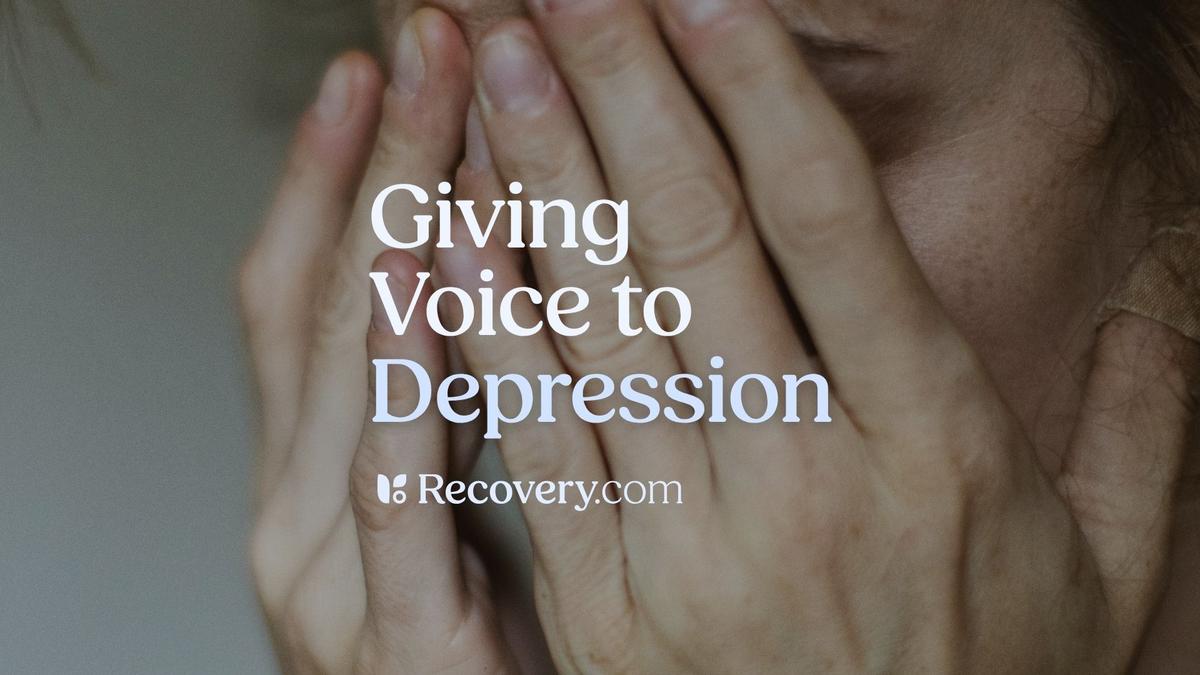
Depression affects millions of people, yet many friends and family members still find themselves asking the same question: How can I actually help? While the desire to support someone is often sincere, good intentions don't always translate into actions that feel helpful to the person living with depression.
This article summarizes a conversation from the Giving Voice to Depression podcast hosted by Terry McGuire. In the episode, Terry speaks with Pam, who shares her experience of living through severe depression, multiple psychiatric hospitalizations, and a suicide attempt before eventually finding recovery. Her story offers valuable insight into what depression truly feels like, what support made a difference, and what well-meaning responses unintentionally caused more pain.
If someone you love is living with depression, these lessons can help you become a steadier, more compassionate source of support.
1. Depression Is More Than Sadness
One of the most persistent myths about depression is that it's simply feeling sad for an extended period of time. In reality, depression affects thoughts, emotions, physical energy, relationships, and even a person's ability to experience pleasure. It can rob someone of motivation, distort their self-image, and make everyday decisions feel exhausting.
Pam explained:
Most people think depression is just being sad. And it is so much more than that.
Understanding this distinction changes how we respond. Rather than encouraging someone to "cheer up," supporters can recognize that depression is an illness requiring compassion, patience, and often professional treatment. The more we understand the condition, the less likely we are to unintentionally minimize someone's experience.
2. Depression Can Follow a Crisis
People often expect depression to appear during life's hardest moments. Surprisingly, it sometimes develops after the immediate crisis has passed.
Pam described caring for her husband through a serious medical emergency. While he was fighting for his health, she remained focused on helping him survive. Once the danger was over, however, her own emotional reserves collapsed.
Pam reflected:
When he got better, I just sank into a deep, deep depression.
Periods of prolonged stress often require people to operate in survival mode. When the urgency ends, the emotional weight they've been carrying can finally surface. This delayed response can be confusing, making people wonder why they're struggling when life is supposedly improving.
Checking in on someone after a difficult season—not just during it—can make an enormous difference.
3. Find the Right Therapist
One of the most hopeful messages from the conversation is that therapy doesn't have to work perfectly the first time.
Pam met with more than one counselor before finding someone she truly trusted. That therapeutic relationship became an essential part of her recovery because it created a safe place to process painful experiences she had buried for years.
Pam encouraged listeners:
It's important if you don't match or don't click with your counselor, try another one.
Finding the right therapist is less about discovering the "best" clinician and more about finding someone who makes you feel heard and understood. As Terry and Carly discuss, many therapists offer introductory consultations that allow people to determine whether the relationship feels like a good fit before committing to treatment.
Giving up after one disappointing experience may prevent someone from finding the support that ultimately changes their life.
4. Recognize Depression's Warning Signs
Depression often changes people gradually rather than overnight. Loved ones may notice subtle shifts before the person experiencing depression realizes how much they're struggling.
Pam described losing interest in activities that once made her laugh, withdrawing from other people, sleeping more, and feeling increasingly irritated by everyday life.
She recalled:
There was no joy in anything.
These symptoms may appear differently from person to person, but common warning signs include:
- Losing interest in favorite activities
- Withdrawing from family and friends
- Sleeping significantly more or less
- Feeling persistently hopeless
- Becoming unusually irritable
- Struggling to complete everyday responsibilities
Recognizing these changes early creates opportunities for supportive conversations instead of waiting until someone reaches a crisis point.
5. Take Suicidal Thoughts Seriously
One of the most courageous parts of Pam's story is her willingness to speak honestly about suicidal thoughts. Depression convinced her that life would never improve and that death was the only escape from emotional pain.
Pam shared:
I just wanted to die... There was no joy in anything.
When someone expresses thoughts like these, resist the urge to argue with them or convince them to "look on the bright side." Instead, listen carefully, thank them for trusting you, and help connect them with professional support as quickly as possible.
Depression lies. It tells people they are burdens, that nothing will ever change, and that the people who love them would somehow be better off without them. Compassionate intervention helps interrupt those dangerous distortions and reminds someone they don't have to face the illness alone.
6. Don't Fear Hospitalization
For many people, psychiatric hospitalization feels frightening because of how it's portrayed in movies and television. Pam admitted she expected something terrifying before her first admission.
Instead, she discovered compassionate professionals, structured treatment, and people who understood exactly what she was experiencing.
Pam encouraged others:
If you do need to be hospitalized, don't be afraid of it.
Rather than being a punishment, hospitalization became an opportunity to step away from overwhelming responsibilities and focus entirely on healing. She also found unexpected connection with others who understood depression firsthand, reminding her that recovery is often strengthened by community.
7. Asking for Help Is Strength
Depression often convinces people they should be able to overcome the illness through willpower alone. That belief keeps many from seeking treatment until they're in crisis.
Pam challenged that misconception directly:
Please don't be afraid to reach out and ask for help.
Seeking treatment isn't weakness. It's acknowledging that depression is an illness deserving the same attention as any serious physical condition.
Professional support may include therapy, medication, hospitalization, support groups, or a combination of approaches. Recovery looks different for everyone, but it almost always begins with allowing someone else to help carry the weight.
8. Avoid Common Support Mistakes
Even loving friends sometimes unintentionally make depression harder.
Pam remembered hearing phrases like "snap out of it" and receiving promises that people never followed through on. She also described the pain of being quietly excluded from social gatherings because others assumed she wouldn't want to attend.
Supportive intentions matter, but reliable actions matter more.
Instead of saying:
- "Call me if you need anything."
Consider saying:
- "I'm bringing coffee tomorrow morning."
- "Would you like company for a while?"
- "I'm thinking about you today."
Specific, dependable support communicates genuine care while removing the burden of asking for help.
9. Small Kindnesses Make a Difference
Depression frequently tells people they don't matter. Small gestures often become powerful because they challenge that false belief.
Pam remembered one friend bringing her flowers during her depression.
Explaining why that simple gift meant so much, Pam said:
It made me feel like I mattered.
As Terry observed:
Depression... convinces many of us that we do not matter.
You don't have to solve someone's depression to make a meaningful difference.
Simple gestures might include:
- Sending an encouraging text
- Dropping off a favorite meal
- Writing a handwritten note
- Remembering important dates
- Following through on promises
Consistency often matters more than grandeur.
10. Love Them Through Depression
Perhaps the most moving moment in the conversation comes when Pam recalls her husband asking how he could help.
Her response was simple.
Pam told him:
You're loving me through this.
Depression often creates intense feelings of shame and unworthiness. Loving someone consistently—even when they struggle to believe they deserve it—helps counter one of depression's deepest lies.
Carly reflected on this beautifully:
It goes in extra deep when someone loves you well...
Support isn't always about finding perfect words. Sometimes it's sitting quietly together, offering a hug, or simply staying present long enough for someone to know they aren't facing the darkness by themselves.
11. Connection Helps People Heal
Near the end of the discussion, Terry and Carly explore something people don't often associate with depression: the healing power of safe physical connection.
For some people, that may be a genuine hug from a trusted loved one. For others, it might be a weighted blanket, massage therapy, or another source of comforting physical pressure.
As Terry explained:
A hug... gives my body a reminder that I'm not all alone.
Human beings are wired for connection. While touch isn't a cure for depression, safe and welcomed physical connection can help calm the nervous system and reinforce the message that someone is cared for.
When another person isn't available, self-soothing techniques—including self-hugging exercises—can also provide comfort during especially difficult moments.
Showing Up Matters Most
Pam's story reminds us that recovery is possible, even after years of profound suffering. Her journey included severe depression, repeated hospitalizations, and a suicide attempt, yet she eventually found joy again. Today she also lives with chronic physical pain, but says she would choose that pain over depression because she can once again laugh, connect with others, and experience hope.
Her experience offers an important lesson for anyone supporting a loved one: you don't have to cure depression to make a meaningful difference. Showing up consistently, listening without judgment, following through on your promises, and reminding someone they matter are acts of compassion that directly challenge the lies depression tells.
People living with depression rarely expect perfection. More often, they're hoping someone will simply stay beside them until the darkness begins to lift. Sometimes that steady presence becomes one of the most powerful forms of healing.
Our Promise
How Is Recovery.com Different?
We believe everyone deserves access to accurate, unbiased information about mental health and recovery. That's why we have a comprehensive set of treatment providers and don't charge for inclusion. Any center that meets our criteria can list for free. We do not and have never accepted fees for referring someone to a particular center. Providers who advertise with us must be verified by our Research Team and we clearly mark their status as advertisers.
Our goal is to help you choose the best path for your recovery. That begins with information you can trust.