Find Treatment By
Rehabs by Location


Learn
About Us
Recovery.com combines independent research with expert guidance on addiction and mental health treatment. Our mission is to help everyone find the best path to recovery through the most comprehensive, helpful network of treatment providers worldwide.
Advisory Council
Our advisory council brings together leaders in behavioral health, technology, and business. Their diverse expertise ensures our resources and product are innovative, evidence-based, and effective. They guide our mission as accomplished individuals dedicated to improving the landscape of addiction recovery and mental wellness.
Depression and Fatherhood: 9 Lessons That Help Children Feel Safe and Supported


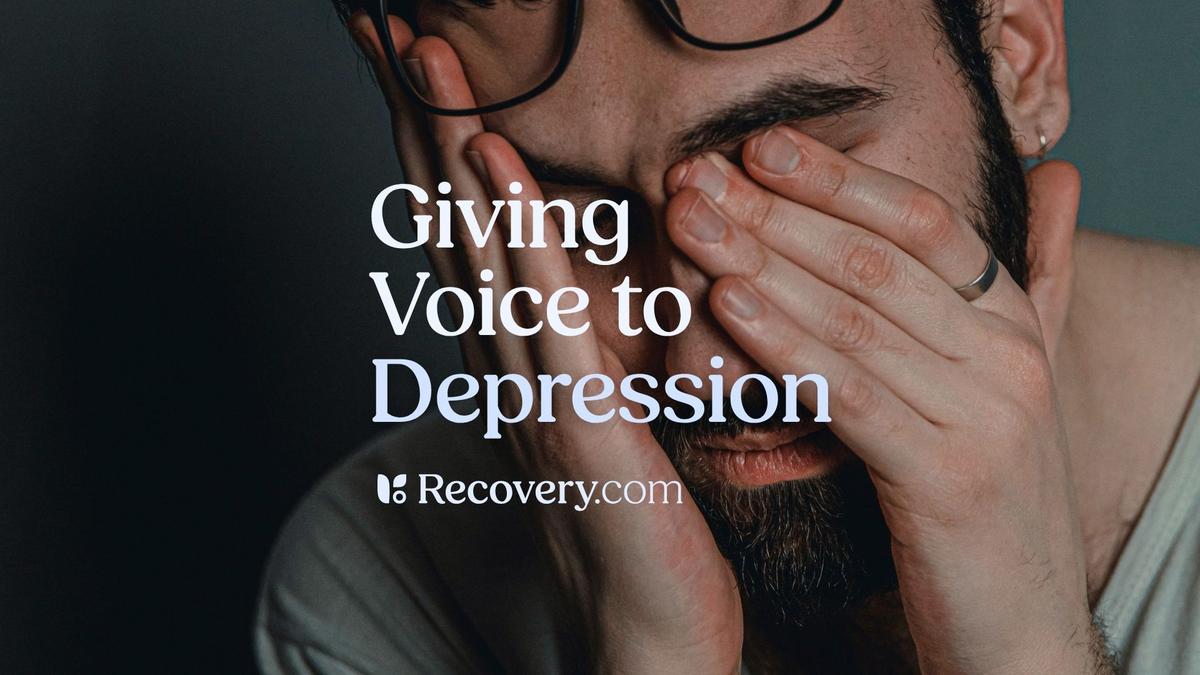
When a parent lives with depression, the effects are rarely limited to that individual alone. Spouses, partners, and especially children often notice changes long before anyone explains what's happening. They see the exhaustion, the tears, the isolation, the irritability, or the days when a parent simply doesn't seem like themselves.
For children, these changes can be confusing and even frightening. Without context, they may blame themselves, assume they caused the problem, or wonder whether their parent still loves them.
This article is a summary of a conversation from the Giving Voice to Depression podcast hosted by Terry McGuire. In this Father's Day special, Terry and co-host Dr. Anita Sanz speak with Todd Rennebohm, author of the children's book Sometimes Daddy Cries. Todd shares the deeply personal story behind the book, including his struggles with depression, anxiety, ADHD, addiction, suicidal thoughts, hospitalization, recovery, and his desire to help families talk openly about mental health.
His story offers valuable lessons for parents, caregivers, and anyone seeking to better understand how honest conversations can help children navigate a loved one's mental health challenges.
1. Children Notice More Than We Think
Children are remarkably observant. They notice when a parent is sleeping more, withdrawing from activities, or behaving differently than usual. What children often lack is an explanation for what they're seeing. In the absence of information, they frequently create their own narratives, many of which can be painful and inaccurate.
A child may wonder:
- Did I do something wrong?
- Is Dad mad at me?
- Did I cause this?
- Does Mom still want to spend time with me?
As Terry reflected during the conversation:
Not talking about it, not acknowledging it, not naming it ... is very confusing, very confusing for the child.
When parents avoid discussing mental health altogether, children are left to interpret complex situations on their own. Honest, age-appropriate conversations can replace confusion with understanding.
2. Depression Is More Than Sadness
In Sometimes Daddy Cries, Todd uses the word "sad" because it is a concept children can understand. But when Terry asked him how he would describe depression to adults, his answer revealed the much deeper reality many people experience.
Todd described depression this way:
It is debilitating. It is heavy. It's dark. Sometimes it just feels like a vacuum, like nothing—it just feels like nothing. And when you think of nothing, it's not even black, it's not white—you're just in a vacuum of nothingness and that's scary.
Many people mistakenly assume depression is simply feeling sad. In reality, it can involve emotional numbness, hopelessness, exhaustion, shame, guilt, and an overwhelming sense of disconnection from life.
As Todd continued:
It feels like it's never-ending. Even if you've only been feeling it for five minutes, it feels like this is the rest of my life now.
That feeling of permanence is one of depression's most deceptive symptoms. It convinces people that what they're experiencing now is what they will experience forever.
3. Physical Illness Comparisons Help Children
One of the most powerful aspects of Todd's book is its use of a simple analogy: depression is compared to a tummy ache.
Children understand physical illness because they've experienced it themselves. They've had stomachaches, fevers, scraped knees, and colds. They understand what it means to need rest and care.
Todd intentionally chose that comparison because nearly every child can relate to it.
The message is straightforward:
- Bodies can get sick.
- Brains can get sick.
- Both deserve care.
- Neither is anyone's fault.
This comparison also helps adults rethink mental health. Many people readily extend compassion to someone with a physical illness while judging themselves harshly for experiencing depression.
By framing depression as another health condition, families can begin reducing the stigma that often surrounds mental illness.
4. Depression Is a Medical Condition
One of the book's most important messages is that depression is not a character flaw.
The story explains depression to children by describing it as a health issue that affects how the body functions. This perspective resonated deeply with Terry, who noted how difficult it can be even for adults with depression to give themselves that level of grace.
Todd shared a personal example from his own life. After forgetting to take his ADHD medication, he experienced a difficult mental health day. But instead of immediately blaming himself, he was eventually able to identify a physical cause.
Reflecting on that experience, Todd explained:
As soon as I realized, "Oh yeah, right. I forgot taking a pill this morning. That's why," then it was like okay, I can deal with this: it's just a physical thing.
That shift matters.
Many people living with depression automatically move toward self-criticism:
- I'm lazy.
- I'm weak.
- I'm failing.
- Something is wrong with me.
Recognizing depression as a medical condition can interrupt those harmful thought patterns and replace shame with self-compassion.
5. Asking for Help Saves Lives
One of the most powerful parts of Todd's story is the reality behind the creation of Sometimes Daddy Cries.
The first version of the book was written during one of the darkest nights of his life.
Recalling that moment, Todd shared:
Actually the first draft of that book was my last night of drinking. It was almost like a suicide note, to be honest with you.
At the time, Todd had been struggling with depression, suicidal thoughts, addiction, and overwhelming emotional pain. He believed the book might be the final thing he ever left behind for his family.
As Todd explained:
I ended up getting really drunk, really depressed, really suicidal that night.
But instead of acting on those thoughts, he made a different decision. He woke his wife and asked for help keeping him safe.
That choice led to treatment, recovery, sobriety, and eventually the opportunity to share his story with others.
His experience serves as an important reminder that asking for help is not weakness. It is often the first step toward healing.
6. Children Need Reassurance and Love
Depression can make people withdraw from those they care about most.
Parents may isolate themselves, sleep excessively, or struggle to engage in everyday family activities. To a child, those behaviors can feel personal.
Todd wanted his book to help children understand something critical: a parent's depression is not a reflection of how much they love their child.
Explaining one of the key messages behind the story, Todd said:
Whoever's going through this still loves you. Even though it feels like they're avoiding you or they're isolating.
Children need to hear this explicitly.
Love does not disappear when someone develops depression. A parent may be struggling to function, struggling to connect, or struggling to care for themselves, but that does not mean their love has diminished.
Helping children separate the illness from the relationship can prevent years of unnecessary guilt and self-blame.
7. Men Face Unique Mental Health Challenges
The conversation also explored the unique challenges men face when living with depression.
Many men grow up receiving messages that discourage emotional vulnerability. They are taught to be strong, self-reliant, and emotionally controlled. These expectations can make it difficult to recognize symptoms, seek treatment, or openly discuss mental health struggles.
Dr. Anita Sanz highlighted the significance of this issue:
They've lived with that double stigma that many of our guests have talked about. The stigma of having a mental health issue or a diagnosis, along with the stigma of being a man with a mental-health diagnosis.
Todd hopes his book helps challenge those outdated beliefs.
Discussing how the book resonates with fathers, Todd explained:
It's also normalizing it for the men. So then the men that read it are like, "Oh, you know, this is a normal thing."
He added:
As a man, sometimes you feel inadequate and the book helps you realize everyone goes through this. You're not inadequate.
That message is particularly important for fathers who worry that depression somehow makes them less capable or less worthy as parents.
8. Honest Conversations Reduce Family Stigma
One of the central goals of Sometimes Daddy Cries is normalization.
Rather than presenting mental illness as something mysterious, shameful, or frightening, Todd presents it as a common and treatable health condition.
When Terry asked what lesson he hopes children take away from the book, Todd offered a clear answer:
I would like them to understand that mental illness and mental health issues are just as common and just as normal as having a physical ailment or physical issue, and that it is treatable.
Those conversations can have lasting effects.
Children who grow up hearing mental health discussed openly often develop:
- Greater empathy
- Reduced stigma
- Stronger communication skills
- Increased willingness to seek help themselves
- Better understanding of emotional wellbeing
Bringing mental health conversations into everyday family life can create healthier outcomes for future generations.
9. Hope Is Always Part of Recovery
While Todd's story includes addiction, suicidal thoughts, hospitalization, and years of struggle, it is ultimately a story about hope.
Not the kind of hope that ignores pain. The kind that acknowledges pain while believing healing is possible.
Explaining why he chose to end the book on an encouraging note, Todd shared:
Letting the child, letting everyone that has a loved one that's going through this know that it does ebb and flow sometimes. It doesn't always end up disastrous.
He emphasized that treatment and support matter.
As Todd explained:
If they do take their medication, if they do have space and support and they see a doctor or a nurse when they need to, then you can come out of this.
And perhaps the most important message of all came near the end of the conversation:
With the right care and the right treatment and the right amount of love, there's hope.
For individuals living with depression, for parents trying to support their children, and for families navigating mental illness together, those words serve as a powerful reminder that recovery is possible.
Final Thoughts
Todd Rennebohm did not write Sometimes Daddy Cries because he had everything figured out. In fact, he openly admits that the book emerged from some of the most painful experiences of his life.
As Todd explained:
It was basically me learning from my mistakes and trying to help others avoid them.
That honesty is what makes both his story and his book so impactful.
By helping children understand that depression is an illness rather than a personal failing, families can replace fear with understanding, shame with compassion, and silence with meaningful conversation.
As Terry and Dr. Anita emphasized throughout the episode, children are often carrying questions they don't know how to ask. Giving them language, context, and reassurance can make an enormous difference.
Mental illness deserves the same compassion, understanding, and treatment as any other health condition. And when families talk openly about it, everyone benefits.
Our Promise
How Is Recovery.com Different?
We believe everyone deserves access to accurate, unbiased information about mental health and recovery. That's why we have a comprehensive set of treatment providers and don't charge for inclusion. Any center that meets our criteria can list for free. We do not and have never accepted fees for referring someone to a particular center. Providers who advertise with us must be verified by our Research Team and we clearly mark their status as advertisers.
Our goal is to help you choose the best path for your recovery. That begins with information you can trust.