Find Treatment By
Rehabs by Location


Learn
About Us
Recovery.com combines independent research with expert guidance on addiction and mental health treatment. Our mission is to help everyone find the best path to recovery through the most comprehensive, helpful network of treatment providers worldwide.
Advisory Council
Our advisory council brings together leaders in behavioral health, technology, and business. Their diverse expertise ensures our resources and product are innovative, evidence-based, and effective. They guide our mission as accomplished individuals dedicated to improving the landscape of addiction recovery and mental wellness.
Suicidal Thoughts vs. Suicide Planning: 12 Insights for Managing Daily Suicidal Ideation


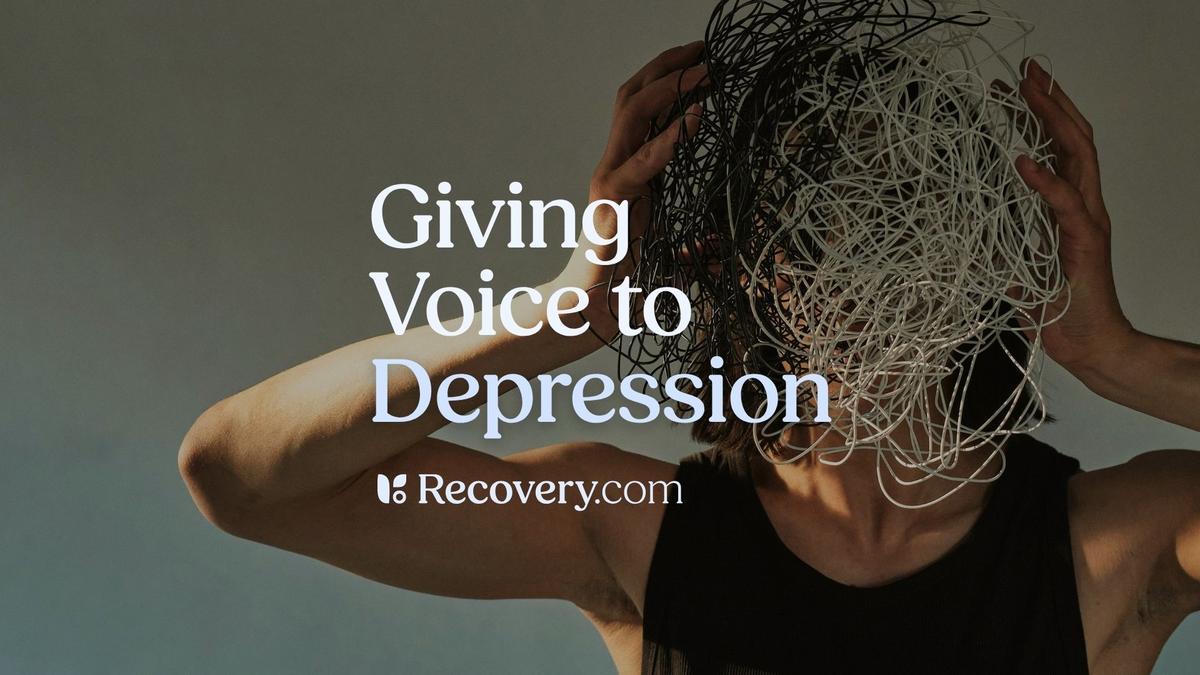
Depression can bring thoughts, feelings, and experiences that are difficult to discuss openly. Few mental health topics carry more stigma, misunderstanding, and fear than suicide. Yet for many people living with depression, chronic pain, trauma, or other mental health challenges, suicidal thoughts can become a recurring part of life without necessarily indicating an immediate desire or intention to die.
This article summarizes a conversation from the Giving Voice to Depression podcast hosted by Terry McGuire. In this episode, Terry speaks with Wally, a veteran who lives with chronic pain, traumatic brain injuries, childhood trauma, and daily suicidal ideation. Their discussion offers a nuanced and compassionate look at the difference between suicidal thoughts and suicide planning while challenging some of society's most common assumptions about suicide.
For people who experience suicidal thoughts—and for those who care about them—this conversation provides valuable perspective, practical tools, and an important reminder that honest conversations can save lives.
1. Suicidal Thoughts Are a Spectrum
One of the most important lessons from this conversation is that suicidal thoughts are not a single experience. Instead, they exist on a spectrum that ranges from passive thoughts about death to active planning and preparation.
Many people assume that if someone mentions suicide, they must be in immediate danger. While suicidal thoughts should always be taken seriously, they do not automatically indicate that someone intends to act on those thoughts.
Early in the conversation, Terry McGuire challenged this common misconception:
There is usually the stated or implied assumption that someone thinking about suicide is suicidal, that the very thought of wanting your life or its pain to end means immediate emergency steps need to be taken to save your life. And that's not always the case.
Mental health professionals often evaluate risk by determining where someone falls on this spectrum. Understanding that distinction allows for more appropriate support and intervention.
2. Chronic Pain Changes Everything
For Wally, suicidal ideation is closely tied to chronic physical pain.
Their life has been shaped by severe childhood abuse, military service injuries, traumatic brain injuries, and a devastating fall that permanently altered their health. Pain is not an occasional experience—it is a constant companion.
Unlike people who may experience suicidal thoughts only during periods of acute crisis, Wally encounters these thoughts regularly while navigating the reality of ongoing suffering.
As Wally explained:
I wake up in the morning into what I call my pain body and I'm just completely inundated. It's like, oh, this is the rest of my life.
For people who have never experienced chronic pain, it can be difficult to understand the mental exhaustion that accompanies it. Thoughts about escape often emerge from a desire for relief rather than a desire for death.
That distinction is critical.
3. Childhood Trauma Leaves Lasting Effects
Long before chronic pain entered the picture, Wally's life was marked by significant trauma.
They left home at sixteen after suffering severe abuse that resulted in serious injuries. Those experiences shaped the way they viewed themselves, relationships, safety, and the world around them.
Trauma can have long-lasting effects on emotional regulation, self-worth, trust, and resilience. For many people living with depression, trauma serves as a foundational piece of their mental health story.
This conversation highlights an important truth: depression often develops within the context of life experiences. Understanding those experiences can be a key part of healing.
4. Brain Injuries Add Complexity
In addition to chronic pain and childhood trauma, Wally lives with multiple traumatic brain injuries and numerous documented concussions.
Brain injuries can affect:
- Memory
- Concentration
- Emotional regulation
- Decision-making
- Mood stability
- Anxiety levels
These changes can make depression significantly more difficult to manage.
Reflecting on those challenges, Wally shared:
My brain doesn't always do what I think it should, what I want it to, and I can remember how I used to be.
Many people living with depression understand the pain of comparing who they are today with who they used to be. Those comparisons can fuel frustration, grief, and self-criticism.
5. Ideation Differs From Planning
The central message of the episode is simple but powerful: suicidal ideation and suicide planning are not the same thing.
Wally repeatedly emphasizes that they experience suicidal thoughts nearly every day while remaining committed to staying alive.
As Wally explained:
There is a distinct difference between suicide ideation and suicide planning. I ideate nearly every day. The pain's that bad. I'm not suicidal at that point.
This distinction matters because many people avoid discussing suicidal thoughts out of fear that others will misunderstand them.
When every mention of suicidal ideation is treated as an emergency, people may become less willing to talk openly about what they are experiencing.
6. Stigma Silences Honest Discussion
One of Wally's strongest messages is that stigma often prevents important conversations from happening.
People become uncomfortable when the topic of suicide arises. Some panic. Others avoid the conversation entirely.
As Wally observed:
When we attach the stigma of shame and guilt to these words, then we send a lot of conversations into the closet.
When conversations move into the shadows, people lose opportunities for connection and support.
Stigma can cause individuals to:
- Hide their struggles
- Delay treatment
- Feel isolated
- Avoid reaching out
- Suffer in silence
Reducing stigma helps create space for honest conversations that can ultimately improve safety.
7. Mindfulness Creates Breathing Room
Wally has spent years learning how to manage difficult thoughts through mindfulness and intentional self-awareness.
Their toolbox includes:
- Cognitive Behavioral Therapy (CBT)
- Dialectical Behavior Therapy (DBT)
- Breathing exercises
- Meditation practices
- Self-reflection techniques
Rather than accepting every thought as truth, Wally has learned to examine thoughts with curiosity.
When suicidal ideation appears, they ask questions about where the thought originated and whether it reflects reality or emotional distress.
That pause creates space between a thought and an action.
For many people, that space can be lifesaving.
8. Self-Assessments Build Awareness
One of Wally's most practical tools is a personalized mental health inventory.
Rather than waiting until they feel overwhelmed, they regularly evaluate their emotional state and overall well-being.
Describing this practice, Wally explained:
I call it a check-in and an inventory because it just sees where I am and if I'm sticking to my goals, where my integrity is, am I backsliding in any direction?
Their inventory includes questions such as:
- What am I doing well?
- Where am I struggling?
- Am I aligned with my values?
- What needs attention?
- What support do I need?
This type of self-awareness helps identify concerns before they become crises.
9. Safety Plans Matter
Wally understands that even the best coping skills have limits.
There are moments when mindfulness, breathing exercises, and emotional regulation strategies are no longer enough.
Instead of waiting for those moments, they created a plan ahead of time.
As Wally shared:
If managing my suicide ideation becomes what I call a full-time job, I activate my plan.
A safety plan may include:
- Contacting trusted friends
- Calling a therapist
- Reaching out to a support group
- Calling 988
- Visiting an emergency room
- Increasing supervision
- Seeking immediate professional support
Having a plan removes the burden of making critical decisions during moments of intense distress.
10. Questions Work Better Than Assumptions
One of the most memorable moments in the episode comes from a short poem Wally wrote about helping people who are struggling.
As Wally reflected:
Unsolicited help is not help. It's an assumption inhabiting a spot better filled with questions.
That philosophy shapes how they approach conversations about suicide.
Rather than immediately trying to rescue someone, Wally asks thoughtful questions.
Examples include:
- What kind of suicidal thoughts are you having?
- Are you planning or just thinking about it?
- Do you have people you trust?
- Do you have a safety plan?
- What support would be helpful right now?
Questions help people feel heard. Assumptions can unintentionally create shame and distance.
11. Compassion Changes Conversations
Throughout the discussion, Wally repeatedly returns to the importance of compassion.
They recognize that many people react strongly to conversations about suicide because they care deeply. Some have lost loved ones. Others fear losing someone they love.
Reflecting on those experiences, Wally shared:
There are so many people who have lost somebody dear to them, you know, family or friend, and they're out there and they are fighting the fight every day. And I respect them. I love them. I hurt for them.
Compassion allows people to remain present without immediately trying to fix or control the situation.
Often, simply listening is one of the most meaningful forms of support available.
12. Safer Conversations Save Lives
After the interview, Dr. Anita Sanz reflected on what she believes is one of the most important takeaways from the conversation.
As Dr. Anita Sanz explained:
I would love for therapists and doctors and friends and loved ones to make it safer. Make it safer for the person to be able to share what they're thinking about.
When people feel heard rather than judged, they are more likely to be honest about what they are experiencing.
That honesty helps determine what level of care is needed. Sometimes the appropriate response may be emergency intervention. Other times it may be therapy, peer support, increased monitoring, or simply a compassionate conversation.
The only way to know is by creating an environment where people feel safe enough to speak openly.
Final Thoughts
Wally's conversation with Terry McGuire offers a thoughtful, compassionate, and deeply human perspective on suicidal ideation. The episode challenges the assumption that all suicidal thoughts indicate immediate danger while emphasizing the importance of taking every person's experience seriously.
For people living with chronic pain, trauma, depression, or recurring suicidal thoughts, the conversation provides language for experiences that are often misunderstood. For loved ones, clinicians, and supporters, it offers practical guidance on how to respond with curiosity, empathy, and respect.
Most importantly, the episode reminds listeners that talking openly about suicide does not create danger. In many cases, it creates connection. And connection remains one of the strongest protective factors available to anyone struggling with depression or thoughts of suicide.
Our Promise
How Is Recovery.com Different?
We believe everyone deserves access to accurate, unbiased information about mental health and recovery. That's why we have a comprehensive set of treatment providers and don't charge for inclusion. Any center that meets our criteria can list for free. We do not and have never accepted fees for referring someone to a particular center. Providers who advertise with us must be verified by our Research Team and we clearly mark their status as advertisers.
Our goal is to help you choose the best path for your recovery. That begins with information you can trust.