Find Treatment By
Rehabs by Location


Learn
About Us
Recovery.com combines independent research with expert guidance on addiction and mental health treatment. Our mission is to help everyone find the best path to recovery through the most comprehensive, helpful network of treatment providers worldwide.
Advisory Council
Our advisory council brings together leaders in behavioral health, technology, and business. Their diverse expertise ensures our resources and product are innovative, evidence-based, and effective. They guide our mission as accomplished individuals dedicated to improving the landscape of addiction recovery and mental wellness.
How to Cope With Depression: 9 Daily Habits That Build Lasting Hope


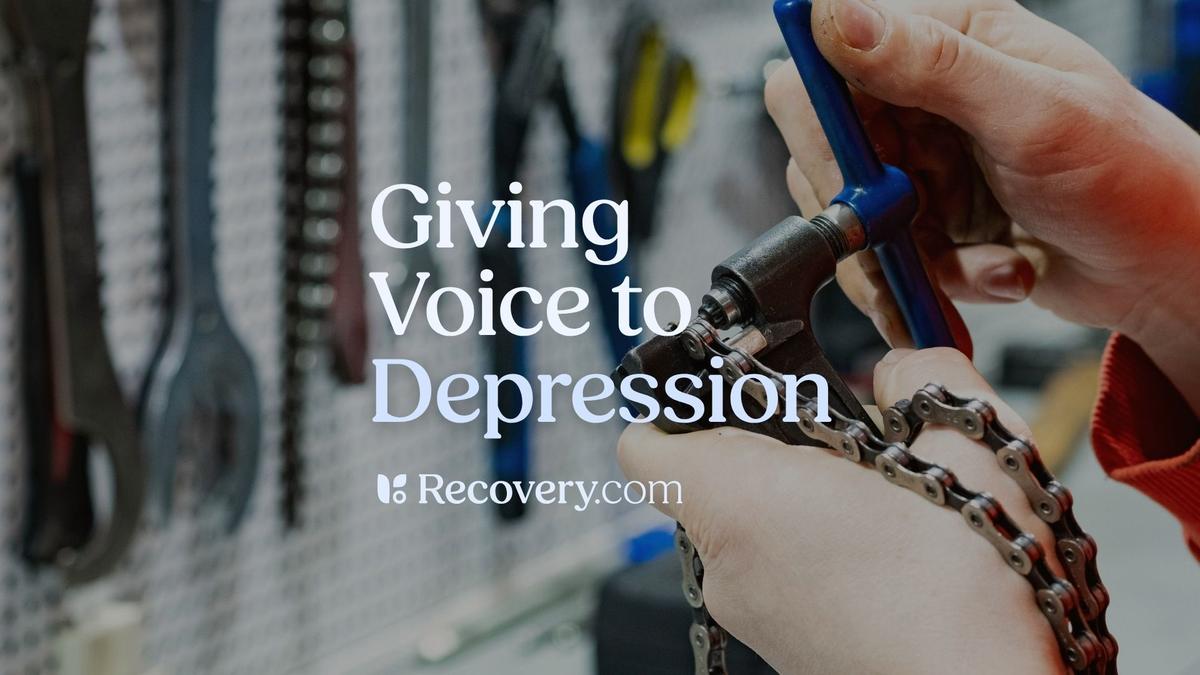
Depression rarely arrives with a clear explanation. It can look like exhaustion, racing thoughts, lost confidence, or the frightening feeling that a person can no longer manage ordinary life. For Davey, it also meant losing the identity he had built around being hardworking, dependable, and capable.
This article summarizes a conversation from the Giving Voice to Depression podcast hosted by Terry McGuire. In the episode, Davey shares what he has learned from living with major depressive disorder and social anxiety, while Terry and psychologist Dr. Anita Sanz reflect on the practical wisdom in his story.
Davey does not offer a simple cure. Instead, he describes a day-by-day approach built around acceptance, education, manageable goals, flexible coping tools, boundaries, and purpose. His message is honest: depression is a powerful opponent, but people can learn to understand it, cope with it, and continue building hope.
1. Redefine Strength After Depression
Before depression became debilitating, Davey saw himself as the dependable employee everyone could count on. When he could no longer perform the way he once had, it wasn't simply his energy that disappeared—it felt as though part of his identity had disappeared with it.
Davey reflected on how losing his ability to work changed the way he viewed himself:
I was a good worker and I was the go-to guy. I mean, the bosses could count on me. But when I hit the wall, I was done, and that really bothered me.
Many people living with depression experience this same loss of identity. Productivity, confidence, independence, and purpose can all feel stripped away, leading people to believe they have somehow become less valuable.
Recovery often requires redefining what strength looks like. For Davey, strength was no longer measured by how much work he could accomplish. It became measured by the determination he brought to therapy, learning, and continuing to fight another day.
2. Accept Depression as an Illness
Like many people, Davey initially believed something physical had to be causing his overwhelming exhaustion. His thoughts raced constantly, he never felt rested, and eventually he reached the point where he told his physician he simply couldn't keep living life the way he was.
Receiving a diagnosis changed everything. Instead of viewing himself as weak or incapable, he began recognizing depression as a legitimate medical condition that deserved treatment.
Looking back on finally receiving a diagnosis, Davey explained:
I had no idea that depression was such a legitimate illness. But once I was diagnosed, I thought, you know what? I'm not hiding anymore. I battle it, and it's as real as cancer or any other diseases out there.
That shift in perspective reduced shame and opened the door to healing. Depression is not a character flaw, nor is asking for treatment a sign of weakness. Recognizing the illness for what it is allows people to begin separating their identity from their symptoms.
3. Start With One Small Step
One of Davey's most practical coping strategies begins before he even gets out of bed. Instead of expecting himself to conquer an entire day, he focuses on accomplishing the very next step.
Describing one of the most practical coping strategies he developed, Davey shared:
If you can just get out of bed, you can run from that monster for a little while. It might only be a half an hour or an hour, but you can at least run from him for a little while.
Depression often convinces people they must somehow regain their entire life before they can even begin moving. Davey's approach rejects that impossible expectation. Instead, it celebrates incremental progress.
Some examples include:
- Sit up in bed.
- Put both feet on the floor.
- Drink a glass of water.
- Brush your teeth.
- Complete one simple task.
Small victories still count. During depression, they often become the building blocks for larger ones.
4. Stop Before You Feel Overwhelmed
Davey's natural instinct had always been to work until the job was finished. Depression forced him to learn an entirely different approach.
His therapist encouraged him to intentionally stop after making modest progress rather than exhausting himself trying to finish everything at once. That strategy allowed him to experience a sense of accomplishment instead of discouragement.
Today, that might look like:
- Washing a few dishes instead of cleaning the kitchen.
- Organizing one drawer instead of an entire room.
- Taking a short walk instead of exercising intensely.
- Completing one errand before returning home.
The goal is not perfection. The goal is building momentum while protecting limited emotional and physical energy.
5. Build a Flexible Coping Toolbox
One of Davey's favorite concepts from therapy is the idea of having a "tool for a time." A coping strategy doesn't have to work forever to be valuable. It only needs to help right now.
For Davey, playing guitar sometimes helped release anxiety. Restoring old chainsaws gave him focus, purpose, and a healthy distraction.
Every person's toolbox will look different, but it may include:
- Music
- Journaling
- Creative hobbies
- Walking
- Time outdoors
- Calling a trusted friend
- Mindfulness exercises
- Therapy homework
The important lesson is flexibility. When one tool stops helping, another may take its place.
6. Learn What Fuels Depression
One of the episode's most memorable moments came when Davey described repairing an old chainsaw. Although it appeared fine on the outside, its engine had become clogged with sawdust, oil, and debris, preventing it from functioning properly.
While explaining the chainsaw metaphor that forever changed the way he viewed depression, Davey said:
I look at myself and think, my head, you know? It's full of sawdust and oil and grime, and there's not good air getting through that. It just leaped at me, and that was such a help for me.
Dr. Anita Sanz loved the analogy because it captures how depression often works. From the outside, someone may appear perfectly functional while silently carrying tremendous emotional pain inside.
She encouraged listeners to become students of their own mental health by learning:
- Personal warning signs
- Common triggers
- Helpful coping strategies
- Questions for therapy
- Early symptoms of relapse
The better people understand their own depression, the better equipped they become to manage it.
7. Replace Advice With Understanding
Davey offered another powerful metaphor when describing well-intentioned advice. Telling someone with severe depression what they "should" do can be like offering chicken soup to someone recovering from the stomach flu.
The soup is good—but they simply cannot digest it.
Dr. Anita Sanz expanded on this idea by explaining that depression often creates a genuine inability rather than unwillingness. Many people know that walking, exercising, or socializing could help, yet lack the emotional fuel necessary to begin.
Instead of offering solutions, loved ones can ask questions like:
- What feels manageable today?
- Would listening help more than advice?
- Is there something practical I can do?
- How can I support you right now?
Support becomes meaningful when it meets people where they actually are.
8. Become a Student of Recovery
Davey approached depression the same way he once approached work—with curiosity, commitment, and discipline.
He took notes during therapy sessions, researched depression extensively, and worked to understand its patterns, triggers, and lies. Terry McGuire admired that mindset, comparing therapy to taking an important class where the lessons could genuinely improve someone's life.
Recovery often becomes more manageable when people create their own personal handbook containing:
- Therapy notes
- Coping strategies
- Medication reminders
- Warning signs
- Emergency contacts
- Self-care plans
Knowledge alone does not cure depression, but it provides a roadmap for navigating difficult seasons more effectively.
9. Find Purpose Through Helping Others
As the conversation drew to a close, Davey reflected on what winning against depression really means. For him, it is not necessarily the complete absence of symptoms. Instead, it means learning how to live alongside depression while continuing to grow.
As Davey reflected on what recovery has come to mean for him, he offered this encouragement:
Even if it doesn't [go away], learn the tools to live with it because we need more caring people in society, more real people.
Helping others became one of his greatest sources of purpose. Whether donating blood or sharing his story publicly for the first time, Davey found healing in knowing his struggles might help someone else feel less alone.
Depression should never be glorified. But many people emerge from their experiences with greater compassion, deeper empathy, and a stronger desire to serve others.
Hope does not require believing tomorrow will be perfect. Hope simply requires believing tomorrow is still worth showing up for.
Moving Forward One Day at a Time
Davey's story reminds listeners that depression is both serious and survivable. It demands patience, compassion, curiosity, and persistence—not perfection.
Throughout the conversation, Terry McGuire and Dr. Anita Sanz reinforce the same message: healing happens one step at a time. Accept the illness, learn everything you can about it, build a toolbox that evolves with your needs, and extend yourself the same compassion you would offer someone else.
The road through depression is rarely quick or straightforward. But with the right support, practical coping tools, and the willingness to keep moving forward one small step at a time, lasting hope remains possible.
Our Promise
How Is Recovery.com Different?
We believe everyone deserves access to accurate, unbiased information about mental health and recovery. That's why we have a comprehensive set of treatment providers and don't charge for inclusion. Any center that meets our criteria can list for free. We do not and have never accepted fees for referring someone to a particular center. Providers who advertise with us must be verified by our Research Team and we clearly mark their status as advertisers.
Our goal is to help you choose the best path for your recovery. That begins with information you can trust.