Find Treatment By
Rehabs by Location


Find Treatment By
Learn
About Us
Recovery.com combines independent research with expert guidance on addiction and mental health treatment. Our mission is to help everyone find the best path to recovery through the most comprehensive, helpful network of treatment providers worldwide.
Advisory Council
Our advisory council brings together leaders in behavioral health, technology, and business. Their diverse expertise ensures our resources and product are innovative, evidence-based, and effective. They guide our mission as accomplished individuals dedicated to improving the landscape of addiction recovery and mental wellness.

Pillars Health Group (Adults)
Treatment Focus
At this center, you receive personalized care for mental health conditions. They provide therapy and tailor treatment to your unique needs, diagnoses, and preferences.
Primary Level of Care
Outpatient treatment offers flexible therapeutic and medical care without the need to stay overnight in a hospital or inpatient facility. Some centers offer intensive outpatient program (IOP), which falls between inpatient care and traditional outpatient service.
This provider hasn't verified their profile's information. Are you the owner of this center? Claim your listing to better manage your presence on Recovery.com.
Treatment Focus
At this center, you receive personalized care for mental health conditions. They provide therapy and tailor treatment to your unique needs, diagnoses, and preferences.
Primary Level of Care
Outpatient treatment offers flexible therapeutic and medical care without the need to stay overnight in a hospital or inpatient facility. Some centers offer intensive outpatient program (IOP), which falls between inpatient care and traditional outpatient service.
Insurance Accepted
This center accepts insurance, exact cost can vary depending on your plan and deductible.
Pillars Health Group (Adults)
Pillars Health Group (Adults)
About Pillars Health Group (Adults)
At Pillars Health Group in South Portland, adults receive tailored care for their mental health challenges either in a half-day or full-day outpatient format. The highly structured programs help adults develop practical skills to manage their mental health and regulate emotions. They use a combination of evidence-based therapies to identify and address the causes of each client’s challenges.
Engage in Proven Methods for Lasting Wellness
Staff at Pillars Health Group primarily uses dialectical behavior therapy (DBT) and cognitive behavioral therapy (CBT) with mindfulness strategies both in individual and group therapy settings. Master’s level clinicians lead adults in recovery-focused activities throughout treatment. They also provide medication management for adults when medication is necessary in their care.
Sustain Well-Being After Treatment
After completing either their full-day or half-day outpatient program, clients can participate in structured aftercare at Pillars Health Group. They offer one weekly individual therapy session and a full day of group therapy. This aftercare program helps adults as they transition out of treatment and apply their new skills. The formal program lasts 1 month. Clients can also access peer support, sober events, and more through Pillars Health Group’s alumni programs.
Center Overview
Treatment Focus
At this center, you receive personalized care for mental health conditions. They provide therapy and tailor treatment to your unique needs, diagnoses, and preferences.

Insurance Accepted



Cash Pay Rates
Estimated Cash Pay Rate
Center pricing can vary based on program and length of stay. Contact the center for more information. Recovery.com strives for price transparency so you can make an informed decision.
Meet Your Care Team

Casey Orkney
Executive Director

Erica Velarde, LCSW, CCS
Clinical Director
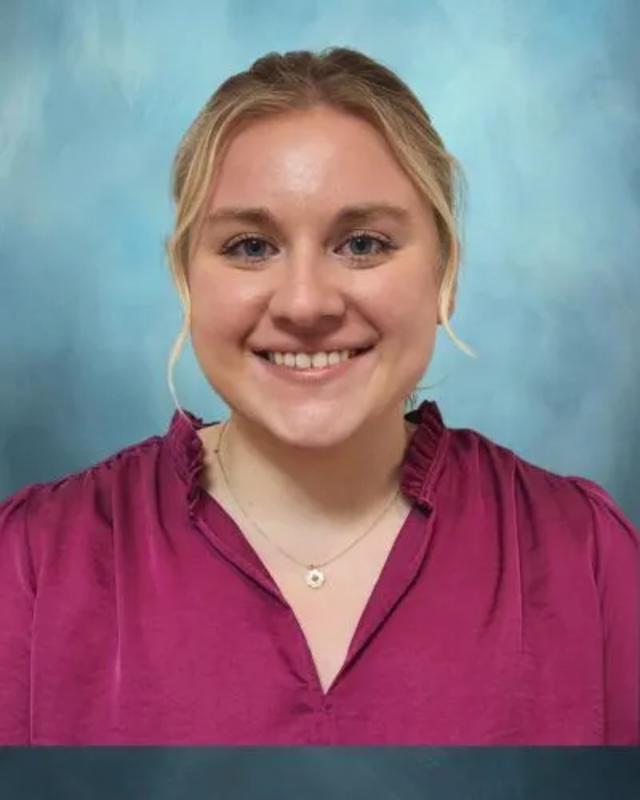
Hayley Chute, MSW
Primary Clinician

Max Spanger, LMSW
Primary Clinician

Hannah Goodale, LMSW-CC
Primary Clinician

Mark Fleming, CADC
Case Manager
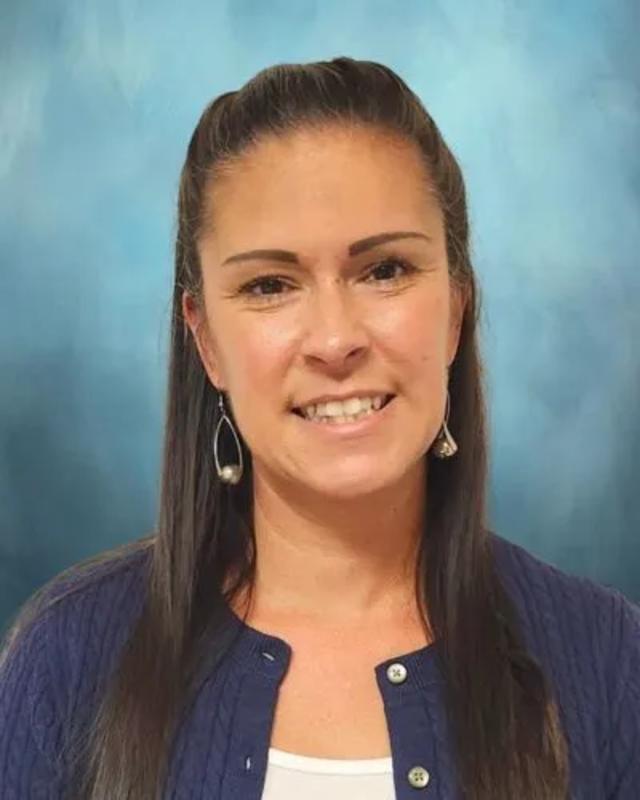
Amy Harrison, ADCA, CRMA
Case Manager
Levels of Care


Your Care Options
Specializations
Personality Disorders
Personality disorders destabilize the way a person thinks, feels, and behaves. If untreated, they can undermine relationships and lead to severe distress.
ADHD, ADD
ADHD is a common mental health condition caused by dopamine imbalance. Common symptoms include inattention, hyperactivitiy, and impulsivity.
Anxiety
Anxiety is a common mental health condition that can include excessive worry, panic attacks, physical tension, and increased blood pressure.
Bipolar
This mental health condition is characterized by extreme mood swings between depression, mania, and remission.
Depression
Symptoms of depression may include fatigue, a sense of numbness, and loss of interest in activities. This condition can range from mild to severe.
Who We Treat
Men and Women
Men and women attend treatment for addiction in a co-ed setting, going to therapy groups together to share experiences, struggles, and successes.
Approaches
Evidence-Based
A combination of scientifically rooted therapies and treatments make up evidence-based care, defined by their measured and proven results.
Personalized Treatment
The specific needs, histories, and conditions of individual patients receive personalized, highly relevant care throughout their recovery journey.
Therapies
1-on-1 Counseling
Patient and therapist meet 1-on-1 to work through difficult emotions and behavioral challenges in a personal, private setting.
Interpersonal Therapy
This brief and structured therapy addresses present relationships and improves overall communication at work, home, and other social settings.
Meditation & Mindfulness
A practiced state of mind that brings patients to the present. It allows them to become fully aware of themselves, their feelings, and the present moment.
Mindfulness Therapy
This ancient practice can be mental, emotional, and even spiritual. In meditation, you focus your attention on the present moment without judgement.
Online Therapy
Patients can connect with a therapist via videochat, messaging, email, or phone. Remote therapy makes treatment more accessible.
Psychoeducation
This method combines treatment with education, teaching patients about different paths toward recovery. This empowers them to make more effective decisions.
Languages
Conditions We Treat
ADHD, ADD
ADHD is a common mental health condition caused by dopamine imbalance. Common symptoms include inattention, hyperactivitiy, and impulsivity.
Anxiety
Anxiety is a common mental health condition that can include excessive worry, panic attacks, physical tension, and increased blood pressure.
Bipolar
This mental health condition is characterized by extreme mood swings between depression, mania, and remission.
Depression
Symptoms of depression may include fatigue, a sense of numbness, and loss of interest in activities. This condition can range from mild to severe.
Grief and Loss
Grief is a natural reaction to loss, but severe grief can interfere with your ability to function. You can get treatment for this condition.
Obsessive Compulsive Disorder (OCD)
OCD is characterized by intrusive and distressing thoughts that drive repetitive behaviors. This pattern disrupts daily life and relationships.
Personality Disorders
Personality disorders destabilize the way a person thinks, feels, and behaves. If untreated, they can undermine relationships and lead to severe distress.
Post Traumatic Stress Disorder
PTSD is a long-term mental health issue caused by a disturbing event or events. Symptoms include anxiety, dissociation, flashbacks, and intrusive thoughts.
Trauma
Some traumatic events are so disturbing that they cause long-term mental health problems. Those ongoing issues can also be referred to as "trauma."