Find Treatment By
Rehabs by Location


Find Treatment By
Learn
About Us
Recovery.com combines independent research with expert guidance on addiction and mental health treatment. Our mission is to help everyone find the best path to recovery through the most comprehensive, helpful network of treatment providers worldwide.
Advisory Council
Our advisory council brings together leaders in behavioral health, technology, and business. Their diverse expertise ensures our resources and product are innovative, evidence-based, and effective. They guide our mission as accomplished individuals dedicated to improving the landscape of addiction recovery and mental wellness.


Orange County Recovery
Verified Center
This provider's information has been quality-checked by Recovery.com's Research Team for accuracy and completeness, including center verification through appropriate third-party organizations.
Treatment Focus
This center treats substance use disorders and co-occurring mental health conditions. Your treatment plan addresses each condition at once with personalized, compassionate care for comprehensive healing.
Primary Level of Care
Outpatient treatment offers flexible therapeutic and medical care without the need to stay overnight in a hospital or inpatient facility. Some centers offer intensive outpatient program (IOP), which falls between inpatient care and traditional outpatient service.
Treatment Focus
This center treats substance use disorders and co-occurring mental health conditions. Your treatment plan addresses each condition at once with personalized, compassionate care for comprehensive healing.
Primary Level of Care
Outpatient treatment offers flexible therapeutic and medical care without the need to stay overnight in a hospital or inpatient facility. Some centers offer intensive outpatient program (IOP), which falls between inpatient care and traditional outpatient service.
Insurance Accepted
This center accepts insurance, exact cost can vary depending on your plan and deductible.
Orange County Recovery
Orange County Recovery
About Orange County Recovery
Setting the Standard for Treatment Excellence, Orange County Recovery is a drug and alcohol treatment program that is state certified by the Department of Health Care Services (DHCS) and also accredited byThe Joint Commission (JCAHO). These governing organizations ensure that excellent standards for addiction treatment are attained, and Orange County Recovery exceeds all benchmarks. These standards were created to require accountability for maintaining high quality care. Accountability is one of the main aspects of a treatment program. It is also one of the main aspects of starting the journey into recovery. Not only is Orange County Recovery held to high standards, the clinical and medical support team is as well. Our staff are either licensed or certified, and have long-term experience and training for working in the field of recovery. This high level of expertise and experience allows us to give you the necessary tools and skills needed in order to succeed in recovery. The clinical support team consists of doctors, nurse practitioners, therapists, state certified counselors, and support staff. Orange County Recovery keeps its groups small in order to have the ability to spend quality time with each client and to be able to have a higher level of interaction during group sessions. This, we believe, is an added benefit to our clients. What Orange County Recovery offers? Chemical Dependency Education Relapse Prevention Physical Wellness (including Nutrition and exercise) Group Therapy Individual Therapy Case Management Emotional Recognition (including Anger Management) Urinalysis Testing Introduction and Integration of the 12-Step Community Non 12-Step support groups like Celebrate Recovery and SMART Recovery® are available Medical assessment for appropriateness to program. Intake and assessment program that allows us to get to know the clients in order to build a plan of action to meet their specific needs Structured Sober Housing The goal of Orange County Recovery is to help our clients learn healthy ways of living so they may return to the mainstream of life as productive members of society. Top Addiction & Mental Health Treatment in Orange County Orange County Recovery was established in 2002, with the aim of helping people and families who are struggling with substance abuse & addiction find recovery. For every man or woman who walks through our doors, our priority is to preserve or restore normal life and function by providing an excellent setting for recovery and the support necessary so that a strong foundation of recovery can be established. Through our tried and tested addiction treatment activities and processes, we help our clients become functioning members of society again. Do you have a loved one who is suffering from alcoholism or drug addiction? You are not alone, some estimates by the medical community state that up to 10% of adults in the U.S. are struggling with a substance abuse disorder. By facilitating therapeutic treatment while the client resides in our immaculately appointed gender specific sober living homes, we can help to restore a life that has been compromised by the destructive effects of addiction. Personal Experiences, Personal Services The idea of setting up a high-quality addiction treatment focused on overcoming the devastating affects of addiction arose out of personal experience. Our founders bring care and passion to the institution as they have had the humbling, first-hand experience of drug and alcohol addiction in the family. We have seen how addiction affects the individual and families, and we have felt the devastating effects of addiction, and have successfully overcome addiction. We are committed to helping you successfully overcome addiction as well. AS A STAFF WE HAVE OVER 55 YEARS EXPERIENCE IN THE SUBSTANCE ABUSE FIELD AND OVER 75 YEARS CLEAN AND SOBER What makes Orange County Recovery different? We are a small program which allows us to spend more quality time with each client. We think “outside the box” which means we not only look at standard treatment protocol but we recognize that the disease did not go to treatment and does not play by the rules. We work hard to help our clients learn to identify, recognize, and start building a plan of action to deal with life outside of the “sheltered” structure of treatment. Most people do well in treatment; it is when they leave treatment that the problems start to arise. An Extended and Supportive Continuum of Care with One Clinical Team Orange County Recovery is able to assist their clients from the beginning of the treatment process, which in most cases starts with detox, through the end of the treatment process, which includes integrating back into society. We are also able to help in-between. Sometimes a client has already been to treatment and relapses or completed detox or a portion of a program elsewhere. They would still be eligible to enter our program and would be assessed for the appropriate level of care at that time. The recommended time in our program is a minimum of 90 days. After the client has been detoxed and is physically stable, the standard treatment program is Monday through Friday from 9 am until 3 pm. This is a full day, 5 days a week program. It is usually a 30 to 60 day portion of the journey. After completing the full assessment process, a treatment plan specific to the client will be put into place and will be supported by the medical and clinical team through the client’s entire recovery journey. Upon completion of this stage if all is well, the client will transition into Intensive Outpatient Program. (IOP) Here, the client will continue to work on the treatment plan already in place, identify and add to treatment plan issues that arise, and start working towards obtaining outside support such as 12-Step community bonds, specifically, a sponsor. The client will also start to build “outside” the program life events: looking for a job, signing up for school, attending 12-Step meetings and all those things that are needed to do to become a “productive member of society.” This phase of the program starts at 5 days per week, 3 hours per day and transitions into fewer days depending on the person’s progress. Non 12-Step support Groups like Celebrate Recovery and SMART Recovery® are also available. The last phase of formal treatment is Outpatient. This is where the client has integrated “out into the world.” This portion of the journey requires two group visits per week (1 ½ hour in length) and an individual counseling session one time per week. This continued accountability helps to stabilize the individual as they are integrating back into real life. Structured sober housing is recommended for all levels of care; however, it is not mandatory. Ask Orange County Recovery about the gender specific male and female structured sober livings that are available.
Highlights from the Center
Highlights
These highlights are provided by and paid for by the center.
Women Only
Men Only
Center Overview
Treatment Focus
This center treats substance use disorders and co-occurring mental health conditions. Your treatment plan addresses each condition at once with personalized, compassionate care for comprehensive healing.
Joint Commission Accredited
The Joint Commission accreditation is a voluntary, objective process that evaluates and accredits healthcare organizations (like treatment centers) based on performance standards designed to improve quality and safety for patients. To be accredited means the treatment center has been found to meet the Commission's standards for quality and safety in patient care.
Insurance Accepted






Pricing and Program Length
Estimated Center Costs
Center pricing can vary based on program and length of stay. Contact the center for more information. Recovery.com strives for price transparency so you can make an informed decision.
Luxury rehab centers offer a unique blend of luxurious amenities and high-quality treatment. From private suites to gourmet dining, personal trainers to spa treatments, these facilities provide a high level of comfort and discretion.
Top 50 Rehabs in the World
Meet Your Care Team
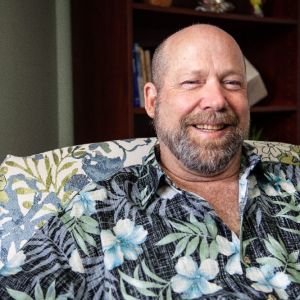
Steve Knight
Chief Executive Officer
CADC-CAS

Lietta Brutsche
Case Manager

Kathy White
Women's Assistant House Parent

Amber Knight
Chief Operation Officer
CADC I
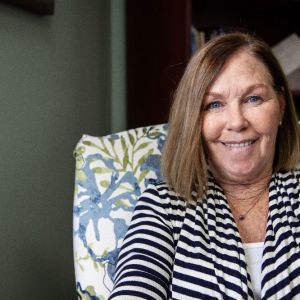
Debra Kelsey
Clinical Director
CADC-CS CA

Cynthia Vines
Women's Senior House Parent
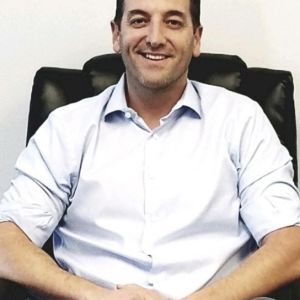
Dr. Mike Kelly
DNP, Psychiatric Director
Levels of Care


Your Care Options
Who We Treat
Older Adults
Addiction and mental health treatment caters to adults 55+ and the age-specific challenges that can come with recovery, wellness, and overall happiness.
Men and Women
Men and women attend treatment for addiction in a co-ed setting, going to therapy groups together to share experiences, struggles, and successes.
Women only
Women attend treatment in a gender-specific facility, with treatment delivered in a safe, nourishing, and supportive environment for greater comfort.
Approaches
Evidence-Based
A combination of scientifically rooted therapies and treatments make up evidence-based care, defined by their measured and proven results.
Gender-Specific
Separate treatment for men or women can create strong peer connections and remove barriers related to trauma, shame, and gender-specific nuances.
Medical
Medical addiction treatment uses approved medications to manage withdrawals and cravings, and to treat contributing mental health conditions.
Twelve Step
Incorporating spirituality, community, and responsibility, 12-Step philosophies prioritize the guidance of a Higher Power and a continuation of 12-Step practices.
Therapies
Family Therapy
Family therapy addresses group dynamics within a family system, with a focus on improving communication and interrupting unhealthy relationship patterns.
Trauma-Specific Therapy
This form of talk therapy addresses any childhood trauma at the root of a patient's current diagnosis.
Twelve Step Facilitation
12-Step groups offer a framework for addiction recovery. Members commit to a higher power, recognize their issues, and support each other in the healing process.
Conditions We Treat
ADHD, ADD
ADHD is a common mental health condition caused by dopamine imbalance. Common symptoms include inattention, hyperactivitiy, and impulsivity.
Anger
Although anger itself isn't a disorder, it can get out of hand. If this feeling interferes with your relationships and daily functioning, treatment can help.
Anxiety
Anxiety is a common mental health condition that can include excessive worry, panic attacks, physical tension, and increased blood pressure.
Bipolar
This mental health condition is characterized by extreme mood swings between depression, mania, and remission.
Depression
Symptoms of depression may include fatigue, a sense of numbness, and loss of interest in activities. This condition can range from mild to severe.
Post Traumatic Stress Disorder
PTSD is a long-term mental health issue caused by a disturbing event or events. Symptoms include anxiety, dissociation, flashbacks, and intrusive thoughts.
Schizophrenia
Schizophrenia is a serious mental health condition that causes hallucinations, delusions, and disordered thinking.
Trauma
Some traumatic events are so disturbing that they cause long-term mental health problems. Those ongoing issues can also be referred to as "trauma."
Substances We Treat
Alcohol
Using alcohol as a coping mechanism, or drinking excessively throughout the week, signals an alcohol use disorder.
Co-Occurring Disorders
A person with multiple mental health diagnoses, such as addiction and depression, has co-occurring disorders also called dual diagnosis.
Drug Addiction
Drug addiction is the excessive and repetitive use of substances, despite harmful consequences to a person's life, health, and relationships.
Care Designed for Your Needs
Personal Amenities
Amenities
Special Considerations
Gender-specific groups
Patients in gender-specific groups gain the opportunity to discuss challenges unique to their gender in a comfortable, safe setting conducive to healing.