Find Treatment By
Rehabs by Location


Learn
About Us
Recovery.com combines independent research with expert guidance on addiction and mental health treatment. Our mission is to help everyone find the best path to recovery through the most comprehensive, helpful network of treatment providers worldwide.
Advisory Council
Our advisory council brings together leaders in behavioral health, technology, and business. Their diverse expertise ensures our resources and product are innovative, evidence-based, and effective. They guide our mission as accomplished individuals dedicated to improving the landscape of addiction recovery and mental wellness.
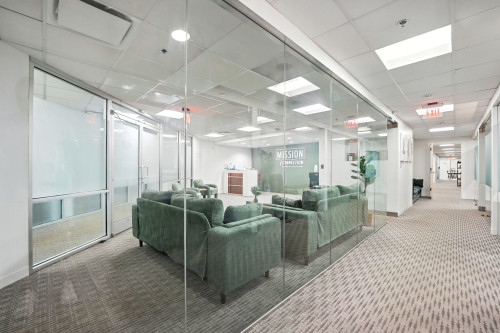
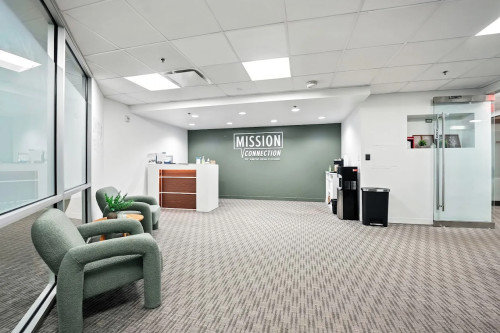
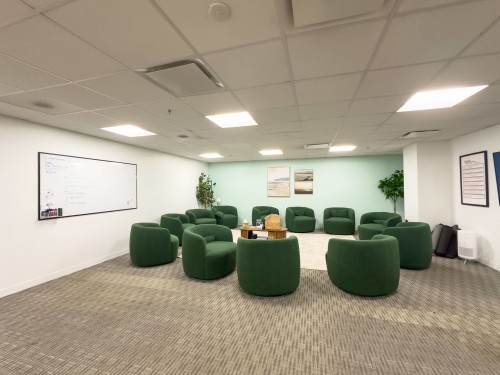
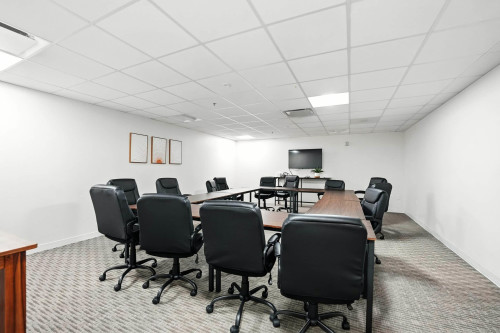
About Mission Connection
Mission Connection fits outpatient care seamlessly into daily life, drawing on the power of connection and community to build resilience, restore balance, and create lasting change. The model delivers results: 91% of clients say they would recommend the program, per the company's 2025 outcomes data. That standard shapes the Falls Church location, treating adolescents and adults for anxiety, depression, PTSD, bipolar disorder, OCD, and psychotic disorders through intensive outpatient and partial hospitalization programming.
Access Flexible Outpatient Care Options
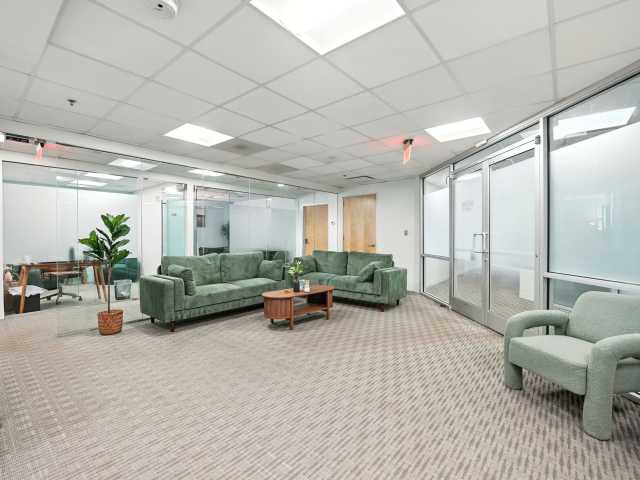
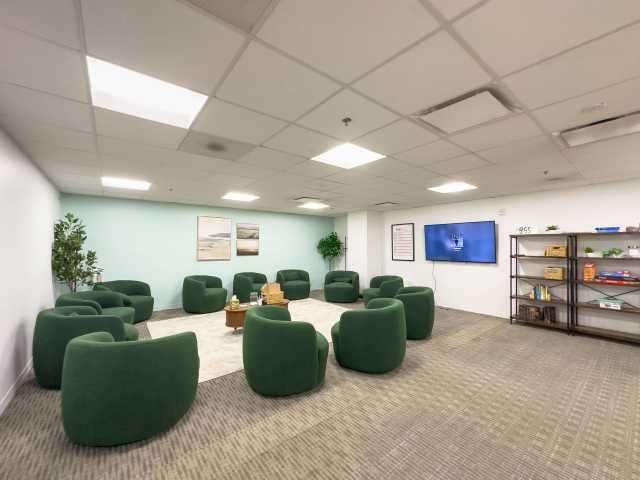
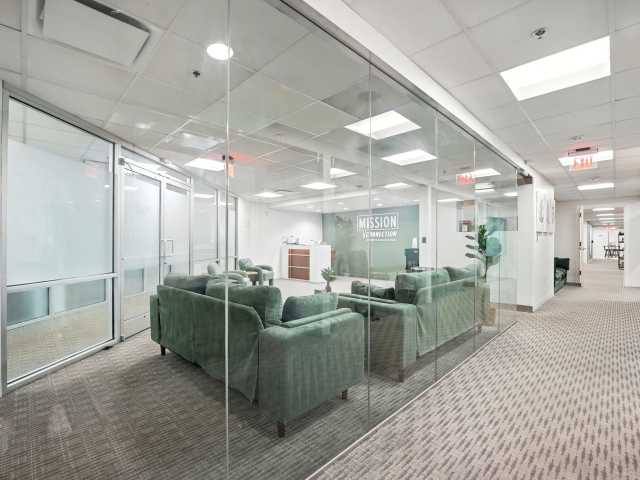
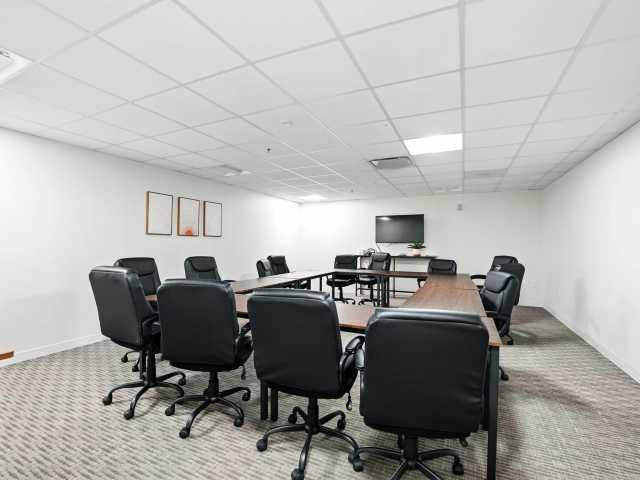
Intensive outpatient and partial hospitalization tracks meet several days a week in private therapy rooms and group spaces near Merrifield, West Falls Church, and Seven Corners. Sessions combine individual counseling, group therapy, and family counseling, and telehealth extends the same licensed care to clients who need a virtual option. Ample parking and easy access to Leesburg Pike keep the daily commute simple for clients balancing work, school, or caregiving duties.
Understand Conditions and Build Skills
Clinicians draw on cognitive behavioral therapy, dialectical behavior therapy, and exposure therapy to address the thought patterns behind anxiety, depression, and OCD. Emotion-focused therapy and cognitive processing therapy further support clients working through mood and trauma symptoms, while transcranial magnetic stimulation (TMS) offers adults with treatment-resistant depression a non-invasive path forward. Psychoeducation and mindfulness practices round out the clinical work, helping clients understand their diagnosis in practical terms.
Move Between Levels as Needed
Treatment typically begins at the partial hospitalization or intensive outpatient level, then steps down as symptoms improve, with PHP and IOP programs usually running 4 to 12 weeks. Clinicians reassess progress at regular intervals, moving clients into standard outpatient therapy once that intensive schedule is no longer necessary. Individual sessions continue for as long as they remain useful, on each client's own timeline.
Center Overview
Insurance Accepted










Recovery.com Verified Listing
Recovery.com verified that the name, location, contact information and license to operate for this treatment provider are valid and up-to-date.
Joint Commission Accredited

Licensed by Virginia
Recovery.com is an independent, third-party mental health resource. Verification does not imply endorsement and does not guarantee the quality of treatment services.
Your Care Options
Specializations
Who We Treat
Treatment Services
Approaches
Therapies
Languages
Conditions We Treat
Learn More About the Center
How to Stop Intrusive Thoughts from Anxiety
Break the cycle of intrusive thoughts with practical strategies for responding more calmly.
ACEs Checklist for Adults: Recognizing Childhood Trauma
Explore how adverse childhood experiences can shape well-being and uncover patterns worth understanding.
5 Techniques to Control Anger
Regain control during intense anger with techniques designed to calm escalating emotions.
PHQ-9 Depression Test
Assess depression symptoms with a widely used screening tool and gain clearer insight.