Find Treatment By
Rehabs by Location


Learn
About Us
Recovery.com combines independent research with expert guidance on addiction and mental health treatment. Our mission is to help everyone find the best path to recovery through the most comprehensive, helpful network of treatment providers worldwide.
Advisory Council
Our advisory council brings together leaders in behavioral health, technology, and business. Their diverse expertise ensures our resources and product are innovative, evidence-based, and effective. They guide our mission as accomplished individuals dedicated to improving the landscape of addiction recovery and mental wellness.
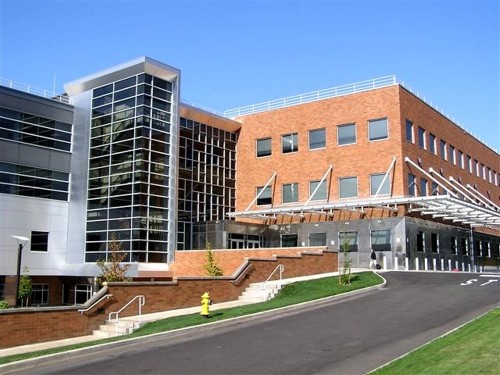

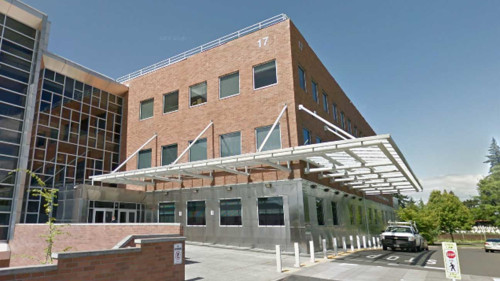
Lifeline Connections Main Campus
Lifeline Connections Main Campus
Lifeline Connections Main Campus
About Lifeline Connections Main Campus
Lifeline Connections' Vancouver VA Campus Office offers comprehensive mental health and substance use services. Their programs address conditions such as depression, anxiety, bipolar disorder, PTSD, and various substance dependencies. Treatment modalities include individual and group therapy, medication management, and holistic approaches like animal-assisted therapy. The facility also provides primary care services focusing on urgent medical needs, ensuring integrated care for clients.
Residential Treatment for Men
The Men's Residential Program, located in a separate area of this location, features 44 beds, with an average stay of 28 days, extendable up to 90 days based on individual needs and insurance coverage. Residents engage in individual and group therapy sessions, educational classes, fitness, and recreational activities. The program emphasizes a supportive community environment, aiding men in developing coping strategies and fostering peer connections essential for long-term recovery.
Comprehensive Community Care
Lifeline Connections takes a personalized, integrated care approach tailored to each individual's unique needs. By combining mental health and substance use treatments with primary care services, the center ensures a holistic approach to recovery. The inclusion of specialized therapies, such as animal-assisted therapy, further enhances the therapeutic experience, promoting overall well-being and resilience in clients.

Center Overview

Supportive Medication for Recovery
Medication-Assisted Treatment (MAT) is an evidence-based approach that pairs FDA-approved medications with counseling to treat addiction. The medications are used to reduce cravings, ease withdrawal symptoms, or block the effects of substances. More about MAT
Methadone

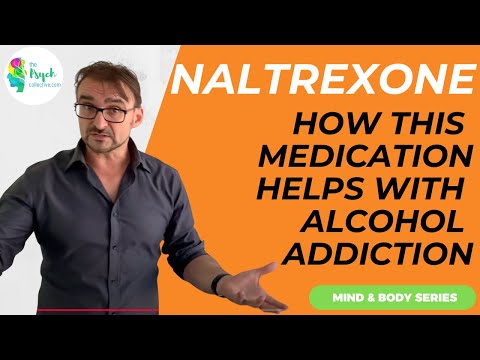
Naltrexone
Buprenorphine


Note: Treatment centers offer different forms of MAT—such as oral tablets, dissolvable films, or monthly injections—and their policies can vary based on state regulations, provider preferences, and insurance coverage. Because of these differences, it's best to contact the center directly to learn what options are available and what might be right for your situation.
Insurance Accepted







Cash Pay Rates
Levels of Care

