Find Treatment By
Rehabs by Location


Find Treatment By
Learn
About Us
Recovery.com combines independent research with expert guidance on addiction and mental health treatment. Our mission is to help everyone find the best path to recovery through the most comprehensive, helpful network of treatment providers worldwide.
Advisory Council
Our advisory council brings together leaders in behavioral health, technology, and business. Their diverse expertise ensures our resources and product are innovative, evidence-based, and effective. They guide our mission as accomplished individuals dedicated to improving the landscape of addiction recovery and mental wellness.


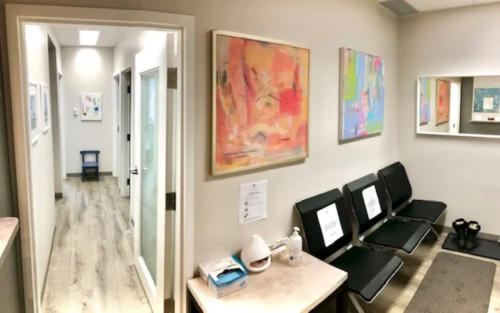
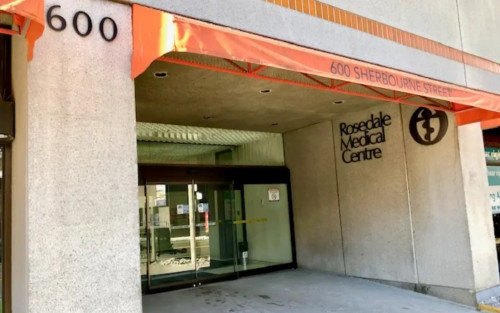
JM Nutrition - Toronto
Treatment Focus
You can get treatment for eating disorders at this center, helping you navigate symptoms, build coping tools, and restore your physical health under expert care.
Primary Level of Care
Outpatient treatment offers flexible therapeutic and medical care without the need to stay overnight in a hospital or inpatient facility. Some centers offer intensive outpatient program (IOP), which falls between inpatient care and traditional outpatient service.
Claimed
Recovery.com has connected directly with this treatment provider to validate the information in their profile.
Treatment Focus
You can get treatment for eating disorders at this center, helping you navigate symptoms, build coping tools, and restore your physical health under expert care.
Primary Level of Care
Outpatient treatment offers flexible therapeutic and medical care without the need to stay overnight in a hospital or inpatient facility. Some centers offer intensive outpatient program (IOP), which falls between inpatient care and traditional outpatient service.
Private Pay
You pay directly for treatment out of pocket. This approach can offer enhanced privacy and flexibility, without involving insurance. Exact costs vary based on program and length of stay. Contact the center for specific details.
JM Nutrition - Toronto
JM Nutrition - Toronto
About JM Nutrition - Toronto
JM Nutrition’s Toronto office provides outpatient nutrition counselling for people navigating eating disorders and disordered eating, including concerns like anorexia, bulimia, binge eating, ARFID, emotional/compulsive eating, and orthorexia. Sessions focus on practical, individualized support that can fit alongside broader care, and clinicians can coordinate with other medical professionals when needed. Services are available in person in Toronto and virtually, which can help clients access support from home.
Access Consistent Support In Toronto Or Online
The Toronto office is located near central Toronto (Sherbourne area) and offers extended appointment hours during the week, with Saturday availability. Beyond eating-disorder support, the team also works with a range of nutrition needs such as digestive concerns, chronic disease management, women’s health, sports nutrition, and workplace wellness programs. These services are useful for clients who want nutrition support that addresses both day-to-day functioning and longer-term health goals.
Strengthen Mental Wellbeing Through Nutrition
For clients who want nutrition support connected to emotional wellbeing, JM Nutrition also offers brain and mental health nutrition services. This work is positioned around personalized strategies that can support concerns like anxiety, depression, attention challenges, sleep, and other brain-health topics. This can be especially relevant for people whose relationship with food overlaps with stress, mood, or neurodiversity-related needs.
Understand Costs Upfront With A Session-Based Model
Pricing follows a clear, session-based model. Clients can start with an initial appointment (up to 60 minutes) for $135, or choose a 2-session start option for $260 that includes a meal plan and a dedicated meal-planning session. After the initial step, follow-ups are up to 30 minutes and available as single sessions or bundles (e.g., 1 for $80; 3 for $225; 5 for $350; 10 for $600). A free phone consultation is available to explain fit, process, and billing.
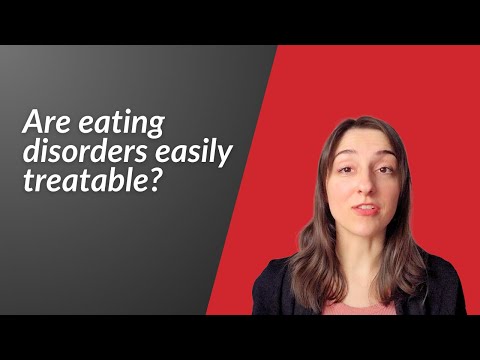
Center Overview
Treatment Focus
You can get treatment for eating disorders at this center, helping you navigate symptoms, build coping tools, and restore your physical health under expert care.

Pricing and Program Length
Estimated Center Costs
The cost listed here ($130-$135 per session), is an estimate of program cost. Center price can vary based on program and length of stay. Contact the center for more information. Recovery.com strives for price transparency so you can make an informed decision.
Levels of Care


Your Care Options
Specializations
Co-Occurring Disorders
A person with multiple mental health diagnoses, such as addiction and depression, has co-occurring disorders also called dual diagnosis.
Eating Disorders
An eating disorder is a long-term pattern of unhealthy behavior relating to food. Most people with eating disorders have a distorted self-image.
Who We Treat
Adolescents
Teens receive the treatment they need for mental health disorders and addiction, with the added support of educational and vocational services.
Children
Treatment for children incorporates the psychiatric care they need and education, often led by on-site teachers to keep children on track with school.
LGBTQ+
Addiction and mental illnesses in the LGBTQ+ community must be treated with an affirming, safe, and relevant approach, which many centers provide.
Approaches
Evidence-Based
A combination of scientifically rooted therapies and treatments make up evidence-based care, defined by their measured and proven results.
Wellness
Wellness philosophies focus on the physical, mental, and spiritual wellness of each patient, helping them restore purpose with natural remedies.
Therapies
1-on-1 Counseling
Patient and therapist meet 1-on-1 to work through difficult emotions and behavioral challenges in a personal, private setting.
Nutrition Counseling
Nutritious food helps patients heal from within, setting them up for mental and bodily wellness as they learn about healthy eating.
Languages
Conditions We Treat
ADHD, ADD
ADHD is a common mental health condition caused by dopamine imbalance. Common symptoms include inattention, hyperactivitiy, and impulsivity.
Anxiety
Anxiety is a common mental health condition that can include excessive worry, panic attacks, physical tension, and increased blood pressure.
Depression
Symptoms of depression may include fatigue, a sense of numbness, and loss of interest in activities. This condition can range from mild to severe.
Eating Disorders
An eating disorder is a long-term pattern of unhealthy behavior relating to food. Most people with eating disorders have a distorted self-image.
Substances We Treat
Co-Occurring Disorders
A person with multiple mental health diagnoses, such as addiction and depression, has co-occurring disorders also called dual diagnosis.