Find Treatment By
Rehabs by Location


Learn
About Us
Recovery.com combines independent research with expert guidance on addiction and mental health treatment. Our mission is to help everyone find the best path to recovery through the most comprehensive, helpful network of treatment providers worldwide.
Advisory Council
Our advisory council brings together leaders in behavioral health, technology, and business. Their diverse expertise ensures our resources and product are innovative, evidence-based, and effective. They guide our mission as accomplished individuals dedicated to improving the landscape of addiction recovery and mental wellness.
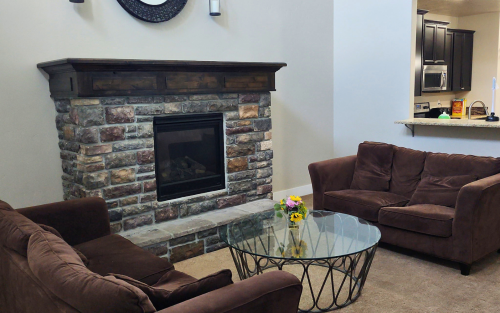
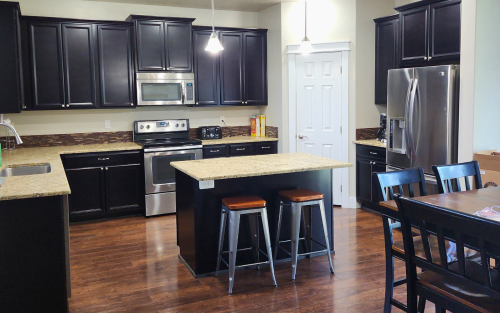
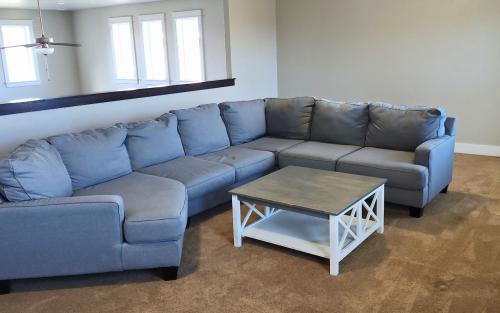
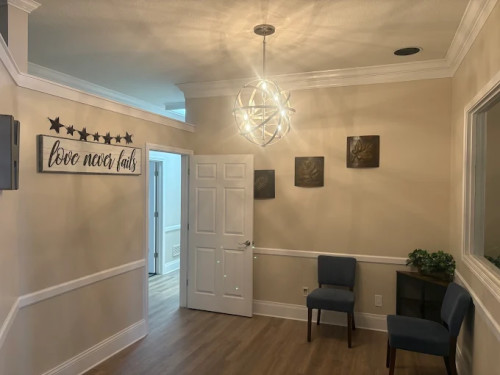
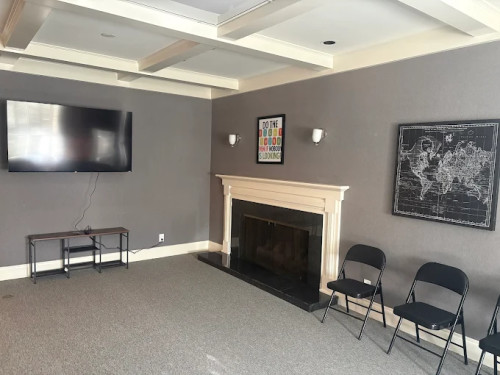
Honor Behavioral Health
Honor Behavioral Health
Honor Behavioral Health
About Honor Behavioral Health
Honor Behavioral Health provides accessible, compassionate outpatient care and supportive housing for adults navigating mental health challenges, substance use concerns, or both. Whether in Honor’s day treatment (PHP) or intensive outpatient program (IOP), each client receives the evidence-based support they need to regain stability, clarity, and control of their lives.
Engage in Therapies Built for Real Life
Serving Boise and the surrounding Treasure Valley, Honor focuses on practical, proven methods for long-term behavior change, not short-term fixes. Treatment is individualized based on each person’s needs and may include:
- Weekly one-on-one sessions focused on identifying triggers, patterns, and underlying causes.
- Group therapy that builds accountability and real-world coping strategies.
- Tools and strategies to manage cravings, high-risk situations, and setbacks.
- Referrals and collaboration with detox providers or other medical services when needed.
Receive Full-Day Treatment in PHP
Honor Behavioral Health’s PHP provides a higher level of outpatient care 4–6 hours per day, 5 days per week, while allowing individuals to return home or to supportive housing each evening. The PHP creates routine and stability that lays the foundation for continued progress. In addition to individual and group therapy, the PHP offers medication management when needed, skill-building to improve daily functioning, and psychoeducation to help clients better understand and manage symptoms and recovery.
Maintain Daily Responsibilities While in IOP
Whether stepping down from Honor’s PHP or residential care elsewhere, Honor’s IOP is designed for clients who want to continue structured treatment while maintaining work or family responsibilities. The IOP includes many of the same components as the PHP, but with a more flexible schedule of 9–15 hours per week.
Highlights from the Center
Trauma-Informed Care
Tech Friendly
Gender Separate Housing
Center Overview

Insurance Accepted









Recovery.com Verified Listing
Recovery.com verified that the name, location, contact information and license to operate for this treatment provider are valid and up-to-date.
Joint Commission Accredited

Licensed by Idaho
Recovery.com is an independent, third-party mental health resource. Verification does not imply endorsement and does not guarantee the quality of treatment services.
Meet Your Care Team

Danny Diederich
Co-Founder

Peter Gifford
CEO
Your Care Options
Specializations
Who We Treat
Treatment Services
Approaches
Therapies
Languages
Conditions We Treat
Substances We Treat
Learn More About the Center
Mental Health and Substance Use: Why They Often Overlap
Explore how mental health conditions and substance use disorders often influence one another.
How Honor Behavioral Health Treats Trauma
Discover how trauma-focused care helps clients process painful experiences and build emotional stability.
What Is Outpatient Treatment and Who Is It For?
Understand who benefits from outpatient treatment and how flexible care supports recovery.
Honor Behavioral Health Earns Joint Commission Accreditation
Learn what Joint Commission accreditation means for safety, quality, and clinical standards.