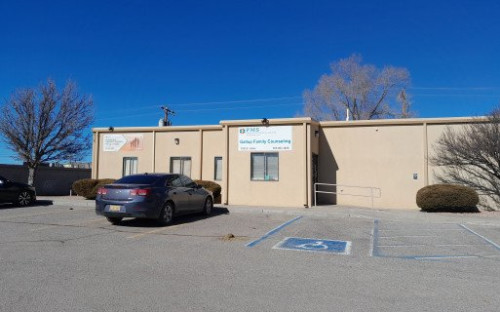
All CentersNavajo Nation Division of Behavioral and Mental Health Services Gallup

Navajo Nation Division of Behavioral and Mental Health Services Gallup

Substance Use and Mental Health

Treatment Focus

This center treats substance use disorders and mental health conditions. You'll receive individualized care catered to your unique situation and diagnosis, learn practical skills for recovery, and make new connections in a restorative environment.

Outpatient

Primary Level of Care

Outpatient treatment offers flexible therapeutic and medical care without the need to stay overnight in a hospital or inpatient facility. Some centers offer intensive outpatient program (IOP), which falls between inpatient care and traditional outpatient service.

Unclaimed

This provider hasn't verified their profile's information. Are you the owner of this center? Claim your listing to better manage your presence on Recovery.com.

Insurance

Insurance Accepted

This center accepts insurance, exact cost can vary depending on your plan and deductible.

This outpatient center provides prevention, early intervention, and treatment for individuals and families facing mental health or substance use challenges. Licensed counselors and traditional practitioners collaborate to offer individual, group, and family therapy, crisis intervention, and aftercare planning. Walk-in access and flexible intake hours ensure immediate help when people need it most.

Engage in Culturally Grounded Healing

Located within the Navajo Nation, this program integrates modern and traditional practices to support whole-person wellness. Services include substance use education, relapse prevention, life skills development, and academic and career support. The center strengthens youth and families through the Substance Abuse and Suicide Prevention initiative, promoting resilience and growth with culturally appropriate, evidence-based care.

Embrace Healing Through Harmony

Clients experience holistic care that values culture, spirituality, and connection to community. Traditional ceremonies, pastoral counseling, taking circles, and wellness activities restore balance and strengthen family bonds. The program respects each person's path and tailors services to promote recovery, self-sufficiency, and lasting well-being in a safe, welcoming environment.

Navajo Nation Division of Behavioral and Mental Health Services Gallup thumbnail
AT A GLANCE

Center Overview

Location
300 W. Nizhoni Blvd., Ste. A, Gallup, NM 87301 View Map
Part of
network
Primary Focus
This center treats substance use disorders and mental health conditions....

Treatment Focus

This center treats substance use disorders and mental health conditions. You'll receive individualized care catered to your unique situation and diagnosis, learn practical skills for recovery, and make new connections in a restorative environment.

Typical Program Length
Various
Founded in 1987
39 years in business
Occupancy
N/A beds
Conditions We Treat
Anger, Anxiety, Depression, Suicidality +1 More
Substance Use We Treat
Co-Occurring Disorders, Drug Addiction, Methamphetamine
Navajo Nation Division of Behavioral and Mental Health Services Gallup logo
nndbmhs.org
Are you the owner of this center? Claim it
How to pay

Insurance Accepted

Private Pay Option

Cash Pay Rates

Estimated Cash Pay Rate

Center pricing can vary based on program and length of stay. Contact the center for more information. Recovery.com strives for price transparency so you can make an informed decision.

We don't have pricing information for this center. Please contact the center for more information.
Care Options

Levels of Care

Substance use and mental health issues can occur simultaneously or as primary conditions. Effective treatment explores how mental health conditions contribute to addiction, and vice-versa. Many rehabs treat substance use disorders and mental health conditions with personalized care plans.
Not included
Detox
Not Offered at This Center
Typically the initial stage of treatment for substance use, focusing on medically supervised management of withdrawal symptoms.
Not included
Residential
Not Offered at This Center
Residential programs for substance use and mental health with structured care and 24/7 monitoring. Treatment takes place on-site, with behavioral health professionals often providing care in group, individual, and family settings.
Not included
Sober Living
Not Offered at This Center
Transitional housing designed to support individuals recovering from substance use disorders offering a safe, supportive and structured environment for practicing long-term sobriety, while reintegrating back into daily living.
Included
Outpatient
Outpatient treatment offers flexible therapeutic and medical care without the need to stay overnight in a hospital or inpatient facility. Outpatient care typically offers a range of therapies and medical interventions individuals can attend alongside daily life.
Not included
Virtual & In-Home Care
Not Offered at This Center
The delivery of therapeutic services utilizing technology such as video conferencing, online messaging or phone calls, allowing for flexibility, comfort and increased access to care.
Included
Co-Occurring Disorders
Substance use and mental health can occur simultaneously as co-occurring disorders. Treatment for co-occurring disorders involves therapy and other personalized interventions to address both conditions.
Treatment

Your Care Options

Specializations

Adolescents

Adolescents

Teens receive the treatment they need for mental health disorders and addiction, with the added support of educational and vocational services.

Depression

Depression

Symptoms of depression may include fatigue, a sense of numbness, and loss of interest in activities. This condition can range from mild to severe.

Suicidality

Suicidality

With suicidality, a person fantasizes about suicide, or makes a plan to carry it out. This is a serious mental health symptom.

Trauma

Trauma

Some traumatic events are so disturbing that they cause long-term mental health problems. Those ongoing issues can also be referred to as "trauma."

Indigenous / Native American Program

Indigenous / Native American Program

Patients who identify as Indigenous or Native American receive culturally responsive treatment that may incorporate traditional healing practices, community connection, intergenerational trauma support, and respect for cultural values and identity.

Who We Treat

Men
Women
Adolescents

Adolescents

Teens receive the treatment they need for mental health disorders and addiction, with the added support of educational and vocational services.

Men and Women

Men and Women

Men and women attend treatment for addiction in a co-ed setting, going to therapy groups together to share experiences, struggles, and successes.

Girls
Boys
Indigenous / Native American Program

Indigenous / Native American Program

Patients who identify as Indigenous or Native American receive culturally responsive treatment that may incorporate traditional healing practices, community connection, intergenerational trauma support, and respect for cultural values and identity.

Approaches

Christian

Christian

Through surrender and commitment to Christ, patients refocus the efforts and source of their recovery with clinical and spiritual care.

Evidence-Based

Evidence-Based

A combination of scientifically rooted therapies and treatments make up evidence-based care, defined by their measured and proven results.

Family Involvement

Family Involvement

Providers involve family in the treatment of their loved one through family therapy, visits, or both–because addiction is a family disease.

Twelve Step

Twelve Step

Incorporating spirituality, community, and responsibility, 12-Step philosophies prioritize the guidance of a Higher Power and a continuation of 12-Step practices.

Therapies

1-on-1 Counseling

1-on-1 Counseling

Patient and therapist meet 1-on-1 to work through difficult emotions and behavioral challenges in a personal, private setting.

Cognitive Behavioral Therapy

Cognitive Behavioral Therapy

Cognitive Behavioral Therapy helps people identify and change unhelpful thought patterns and behaviors that contribute to emotional distress.

Family Therapy

Family Therapy

Family therapy addresses group dynamics within a family system, with a focus on improving communication and interrupting unhealthy relationship patterns.

Group Therapy

Group Therapy

Group therapy brings people together in a supportive setting to share experiences, develop skills, and work toward common goals.

Life Skills

Life Skills

Teaching life skills like cooking, cleaning, clear communication, and even basic math provides a strong foundation for continued recovery.

Motivational Interviewing

Motivational Interviewing

This is a collaborative counseling approach that helps individuals strengthen motivation and commitment to positive change.

Psychoeducation

Psychoeducation

This method combines treatment with education, teaching patients about different paths toward recovery. This empowers them to make more effective decisions.

Relapse Prevention Counseling

Relapse Prevention Counseling

Relapse prevention counselors teach patients to recognize the signs of relapse and reduce their risk.

Trauma-Specific Therapy

Trauma-Specific Therapy

Trauma-specific therapy addresses the emotional, psychological, and physical effects of traumatic experiences using specialized treatment approaches.

Languages

English
Navajo

Conditions We Treat

Anger

Anger

Although anger itself isn't a disorder, it can get out of hand. If this feeling interferes with your relationships and daily functioning, treatment can help.

Anxiety

Anxiety

Anxiety is a common mental health condition that can include excessive worry, panic attacks, physical tension, and increased blood pressure.

Depression

Depression

Symptoms of depression may include fatigue, a sense of numbness, and loss of interest in activities. This condition can range from mild to severe.

Suicidality

Suicidality

With suicidality, a person fantasizes about suicide, or makes a plan to carry it out. This is a serious mental health symptom.

Trauma

Trauma

Some traumatic events are so disturbing that they cause long-term mental health problems. Those ongoing issues can also be referred to as "trauma."

Substances We Treat

Co-Occurring Disorders

Co-Occurring Disorders

A person with multiple mental health diagnoses, such as addiction and depression, has co-occurring disorders also called dual diagnosis.

Drug Addiction

Drug Addiction

Drug addiction is the excessive and repetitive use of substances, despite harmful consequences to a person's life, health, and relationships.

Methamphetamine

Methamphetamine

Methamphetamine is a powerful stimulant that increases energy and alertness. Repeated use can lead to addiction and significant physical and mental health risks.

Aftercare

Outpatient Treatment
Experience

Care Designed for Your Needs

Activities

AA/NA Meetings

Smoking and Vaping Policy

Smoking Not Allowed
Vaping Not Allowed
Frequently Asked Questions

Further Research

The following therapies are included: group therapy, 1-on-1 counseling and more.
Gallup, New Mexico, United States.
The typical length is Various.
Navajo Nation Division of Behavioral and Mental Health Services Gallup provides outpatient, outpatient therapy and more.

Explore More

Easily search by condition, location, and other programs tailored to meet your needs.