Acqua Recovery - Heber City
Treatment Focus
This center treats substance use disorders and co-occurring mental health conditions. Your treatment plan addresses each condition at once with personalized, compassionate care for comprehensive healing.
Primary Level of Care
Outpatient treatment offers flexible therapeutic and medical care without the need to stay overnight in a hospital or inpatient facility. Some centers offer intensive outpatient program (IOP), which falls between inpatient care and traditional outpatient service.
This provider hasn't verified their profile's information. Are you the owner of this center? Claim your listing to better manage your presence on Recovery.com.
Treatment Focus
This center treats substance use disorders and co-occurring mental health conditions. Your treatment plan addresses each condition at once with personalized, compassionate care for comprehensive healing.
Primary Level of Care
Outpatient treatment offers flexible therapeutic and medical care without the need to stay overnight in a hospital or inpatient facility. Some centers offer intensive outpatient program (IOP), which falls between inpatient care and traditional outpatient service.
Insurance Accepted
This center accepts insurance, exact cost can vary depending on your plan and deductible.
Acqua Recovery - Heber City
About Acqua Recovery - Heber City
Acqua Recovery’s Heber City location offers an Intensive Outpatient Program (IOP) for individuals dealing with substance use and co-occurring mental health conditions. This program is designed for those who need structured support but also want to maintain their daily routines. Clients attend therapy sessions three times a week, totaling 10 hours, which helps them apply recovery skills in real-life situations
Pathways to Inner Strength
Their comprehensive approach embraces proven therapies like Cognitive Behavioral Therapy and Dialectical Behavior Therapy, alongside individual, group, and family sessions. Clients explore inner systems, gain nutritional wisdom, and experience holistic practices like breathwork. These diverse methods empower profound personal growth and lasting freedom from addiction's grip.
Journeys Beyond Treatment
Nestled within Utah's majestic Rocky Mountains, this center crafts a haven for transformation. Its flexible programs, including daytime and evening Intensive Outpatient options, fit busy lives. The IOP is suitable for individuals who have completed inpatient treatment or those with mild to moderate addiction seeking support while living at home. This flexible approach allows clients to continue their recovery journey without disrupting their daily lives.

Center Overview
Treatment Focus
This center treats substance use disorders and co-occurring mental health conditions. Your treatment plan addresses each condition at once with personalized, compassionate care for comprehensive healing.
Joint Commission Accredited
The Joint Commission accreditation is a voluntary, objective process that evaluates and accredits healthcare organizations (like treatment centers) based on performance standards designed to improve quality and safety for patients. To be accredited means the treatment center has been found to meet the Commission's standards for quality and safety in patient care.

Supportive Medication for Recovery
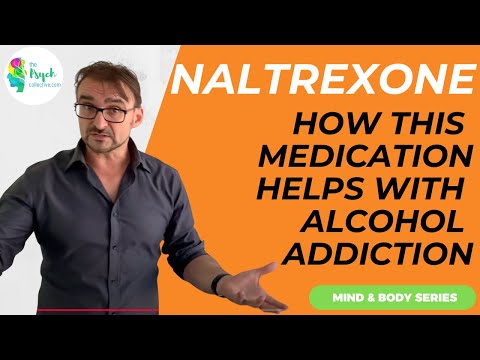
Medication-Assisted Treatment (MAT) is an evidence-based approach that pairs FDA-approved medications with counseling to treat addiction. The medications are used to reduce cravings, ease withdrawal symptoms, or block the effects of substances. More about MAT
Methadone
Naltrexone
Buprenorphine
Note: Treatment centers offer different forms of MAT—such as oral tablets, dissolvable films, or monthly injections—and their policies can vary based on state regulations, provider preferences, and insurance coverage. Because of these differences, it's best to contact the center directly to learn what options are available and what might be right for your situation.
Insurance Accepted

Pricing and Program Length
Estimated Center Costs
Center pricing can vary based on program and length of stay. Contact the center for more information. Recovery.com strives for price transparency so you can make an informed decision.
Levels of Care
Your Care Options
Specializations
Alcohol
Using alcohol as a coping mechanism, or drinking excessively throughout the week, signals an alcohol use disorder.
Co-Occurring Disorders
A person with multiple mental health diagnoses, such as addiction and depression, has co-occurring disorders also called dual diagnosis.
Drug Addiction
Drug addiction is the excessive and repetitive use of substances, despite harmful consequences to a person's life, health, and relationships.
Men and Women
Men and women attend treatment for addiction in a co-ed setting, going to therapy groups together to share experiences, struggles, and successes.
Who We Treat
Young Adults
Emerging adults ages 18-25 receive treatment catered to the unique challenges of early adulthood, like college, risky behaviors, and vocational struggles.
Men and Women
Men and women attend treatment for addiction in a co-ed setting, going to therapy groups together to share experiences, struggles, and successes.
Veterans
Patients who completed active military duty receive specialized treatment focused on trauma, grief, loss, and finding a new work-life balance.
Approaches
Evidence-Based
A combination of scientifically rooted therapies and treatments make up evidence-based care, defined by their measured and proven results.
Experiential
Expressive tools and therapies help patients process past situations, learn more about themselves, and find healing through action.
Family Involvement
Providers involve family in the treatment of their loved one through family therapy, visits, or both–because addiction is a family disease.
Individual Treatment
Individual care meets the needs of each patient, using personalized treatment to provide them the most relevant care and greatest chance of success.
Therapies
1-on-1 Counseling
Patient and therapist meet 1-on-1 to work through difficult emotions and behavioral challenges in a personal, private setting.
Cognitive Behavioral Therapy
Cognitive Behavioral Therapy helps people identify and change unhelpful thought patterns and behaviors that contribute to emotional distress.
Dialectical Behavior Therapy
Dialectical Behavior Therapy teaches skills for managing emotions, improving relationships, tolerating distress, and increasing mindfulness.
Family Therapy
Family therapy addresses group dynamics within a family system, with a focus on improving communication and interrupting unhealthy relationship patterns.
Group Therapy
Group therapy brings people together in a supportive setting to share experiences, develop skills, and work toward common goals.
Languages
Substances We Treat
Alcohol
Using alcohol as a coping mechanism, or drinking excessively throughout the week, signals an alcohol use disorder.
Benzodiazepines
Benzodiazepines are prescribed to treat anxiety, insomnia, and seizures. They can be habit-forming and may cause drowsiness, memory problems, and dependence.
Co-Occurring Disorders
A person with multiple mental health diagnoses, such as addiction and depression, has co-occurring disorders also called dual diagnosis.
Cocaine
Cocaine is a stimulant with euphoric effects. Agitation, muscle ticks, psychosis, and heart issues are common symptoms of cocaine use.
Drug Addiction
Drug addiction is the excessive and repetitive use of substances, despite harmful consequences to a person's life, health, and relationships.
Heroin
Heroin is a highly addictive opioid that produces feelings of euphoria and relaxation. Its use carries serious risks, including overdose and dependence.
Marijuana
Marijuana is a psychoactive substance derived from cannabis. It can affect mood, memory, coordination, and perception, with varying effects between individuals.
Methamphetamine
Methamphetamine is a powerful stimulant that increases energy and alertness. Repeated use can lead to addiction and significant physical and mental health risks.
Opioids
Opioids produce pain-relief and euphoria, which can lead to addiction. This class of drugs includes prescribed medication and the illegal drug heroin.
Aftercare
Intensive Outpatient Program
In an IOP, patients live at home or a sober living, but attend treatment typically 9-15 hours a week. Most programs include talk therapy, support groups, and other methods.