Find Treatment By
Rehabs by Location
View virtual treatment providers
AlabamaArizonaArkansasCaliforniaColoradoConnecticutFloridaGeorgiaHawaiiIllinoisIndianaIowaKansasKentuckyLouisianaMaineMarylandMassachusettsMichiganMinnesotaMississippiMissouriNebraskaNevadaNew HampshireNew JerseyNew MexicoNew YorkNorth CarolinaOhioOklahomaOregonPennsylvaniaSouth CarolinaTennesseeTexasUtahVirginiaWashingtonWisconsin


Learn
About Us
Recovery.com combines independent research with expert guidance on addiction and mental health treatment. Our mission is to help everyone find the best path to recovery through the most comprehensive, helpful network of treatment providers worldwide.
Advisory Council
Our advisory council brings together leaders in behavioral health, technology, and business. Their diverse expertise ensures our resources and product are innovative, evidence-based, and effective. They guide our mission as accomplished individuals dedicated to improving the landscape of addiction recovery and mental wellness.
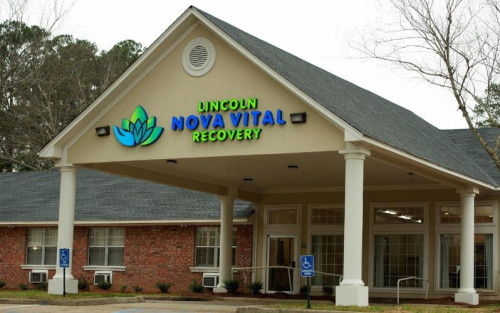
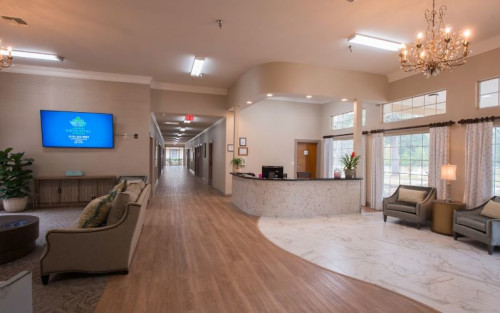
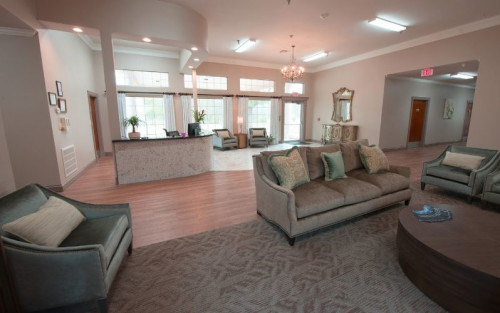
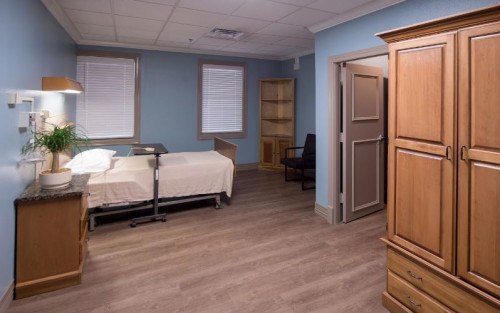
Lincoln Nova Vital Recovery
Substance Use
Residential
4.3
(54)
Unclaimed
Substance Use
Residential
Private Pay
Lincoln Nova Vital Recovery
4.3
•Substance Use•ResidentialLincoln Nova Vital Recovery
4.3
(54)
About Lincoln Nova Vital Recovery
Providing evidence-based treatment to those seeking treatment for addictions.
lincolnnova.com
Are you the owner of this center? Claim it
Payment
Pricing and Program Length
We don't have pricing information for this center. Please contact the center for more information.
Care Options
Levels of Care
Everyone's recovery journey is unique. Whether it looks like residential rehab for 30 days, an outpatient program, or virtual therapy, you can find a level of care that fits your needs.

Detox
Typically the initial stage of treatment for substance use, focusing on medically supervised management of withdrawal symptoms.
Residential Rehab
Offering intensive care with 24/7 monitoring, residential substance use treatment is typically 30 days. Length can range from 14 to 90 days.

Sober Living
Not Offered at This Center
Transitional housing designed to support individuals recovering from substance use disorders offering a safe, supportive and structured environment for practicing long-term sobriety, while reintegrating back into daily living.
Intensive Outpatient Program
An intensive outpatient program (IOP) falls between inpatient care and traditional outpatient services, with therapy and skills-building activities designed to support recovery and provide flexibility. IOP is ideal for those needing support but not the 24/7 care of a residential facility.
Outpatient
Outpatient treatment offers flexible therapeutic and medical care without the need to stay overnight in a hospital or inpatient facility. Outpatient care typically offers a range of therapies and medical interventions individuals can attend alongside daily life.
Virtual Care
Not Offered at This Center
Therapy and treatment delivered online through video sessions, messaging, or phone calls, so you can get care from anywhere, on a schedule that works for you.
In-Home Care
Not Offered at This Center
Clinicians come to you, providing treatment and support in the privacy and comfort of your own home.
Treatment
Your Care Options
Who We Treat
Men
Women
Adolescents
Men and Women
Approaches
Evidence-Based
Gender-Specific
Therapies
1-on-1 Counseling
Cognitive Behavioral Therapy
Group Therapy
Life Skills
Meditation & Mindfulness
Yoga
Languages
English
Substances We Treat
Alcohol
Benzodiazepines
Cocaine
Drug Addiction
Methamphetamine
Opioids
Experience
Care Designed for Your Needs
Personal Amenities
Private Rooms
Amenities
Fitness Center
Frequently Asked Questions
Further Research
What therapies does Lincoln Nova Vital Recovery offer?
The following therapies are included: group therapy, 1-on-1 counseling and more.
Where is Lincoln Nova Vital Recovery located?
Ruston, Louisiana, United States.
How long is treatment?
The typical length is 30+ Days.
Does Lincoln Nova Vital Recovery offer detox?
Yes, they offer detox.
What levels of care does Lincoln Nova Vital Recovery offer?
Lincoln Nova Vital Recovery provides detox, intensive outpatient program and more.