Lifeskills Orlando
Verified Center
This provider's information has been quality-checked by Recovery.com's Research Team for accuracy and completeness, including center verification through appropriate third-party organizations.
Treatment Focus
This center treats substance use disorders and mental health conditions. You'll receive individualized care catered to your unique situation and diagnosis, learn practical skills for recovery, and make new connections in a restorative environment.
Primary Level of Care
Offering intensive care with 24/7 monitoring, residential treatment is typically 30 days and can cover multiple levels of care. Length can range from 14 to 90 days typically.
Treatment Focus
This center treats substance use disorders and mental health conditions. You'll receive individualized care catered to your unique situation and diagnosis, learn practical skills for recovery, and make new connections in a restorative environment.
Primary Level of Care
Offering intensive care with 24/7 monitoring, residential treatment is typically 30 days and can cover multiple levels of care. Length can range from 14 to 90 days typically.
Provider's Policy
Lifeskills is a private-pay facility that can work with out-of-network benefits. The cost of treatment depends on the length of stay and the level of care. As insurance plans vary, most clients will use a combination of private pay and insurance benefits to cover their costs. Prior to treatment, we help each client determine the out-of-pocket costs needed to cover the anticipated length of stay and help them determine their out-of-network benefit
Lifeskills Orlando
Lifeskills Orlando
About Lifeskills Orlando
Lifeskills Orlando provides residential treatment for adults with complex mental health and co-occurring disorders. Their program can address anxiety, depression, bipolar disorder, borderline personality disorder (BPD), obsessive-compulsive disorder (OCD), post-traumatic stress disorder (PTSD), schizophrenia, psychosis, behavioral addictions, and co-occurring substance use concerns, while using low client-to-staff ratios and real-time support to guide care.
Match Care to Clinical Needs
Treatment uses specialized clinical pathways, psychiatric care, and therapies matched to each client’s symptoms, history, and goals. With support from doctoral- and master’s-level clinicians, clients can work on emotional regulation, distorted thought patterns, trauma responses, substance use triggers, daily routines, relationships, and practical skills. Care can shift as symptoms change, helping treatment stay connected to each client’s progress and stability needs.
Recover in a Homelike Orlando Setting
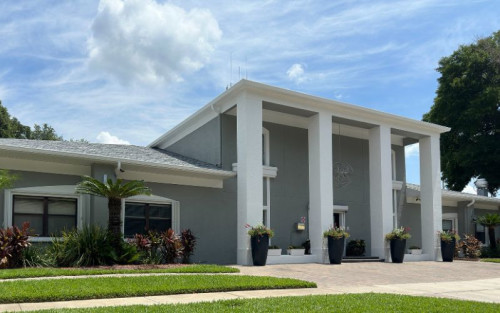
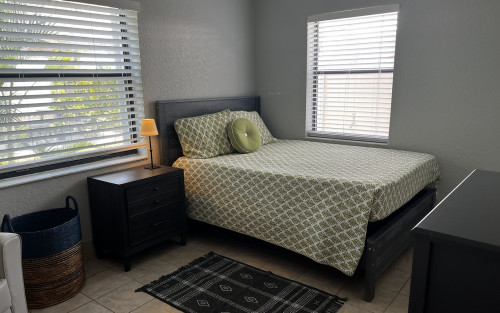
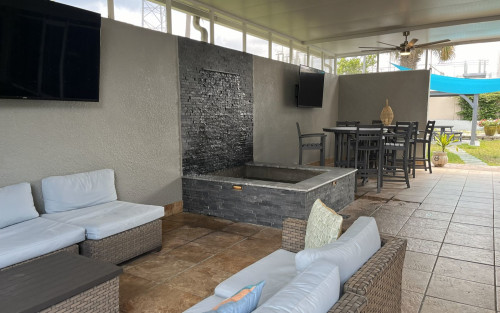
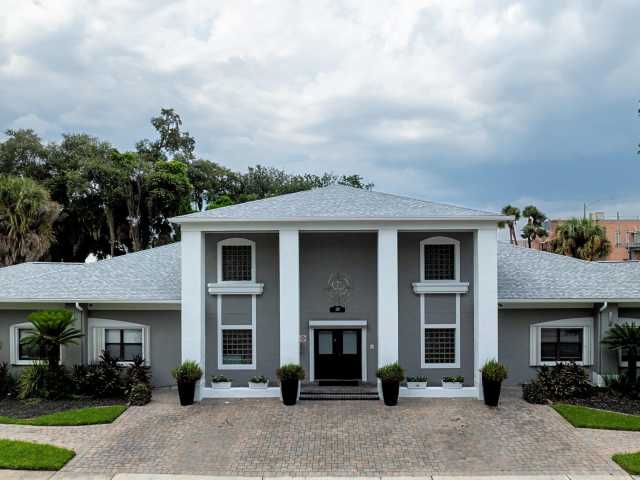
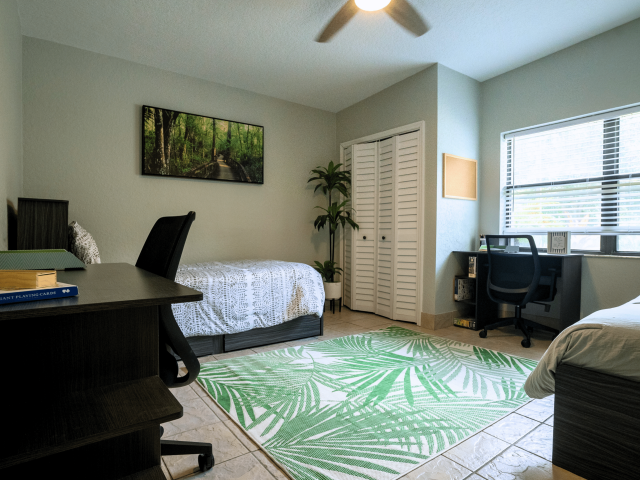
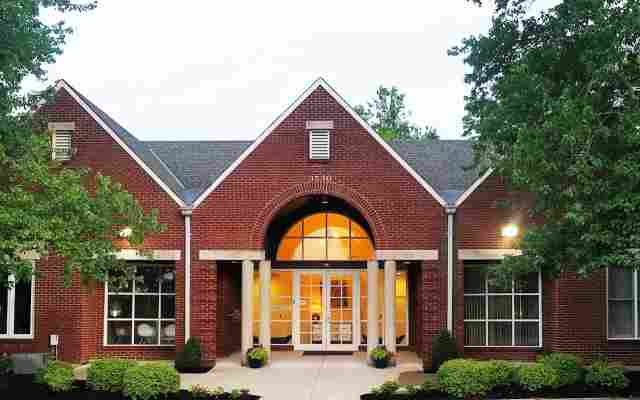
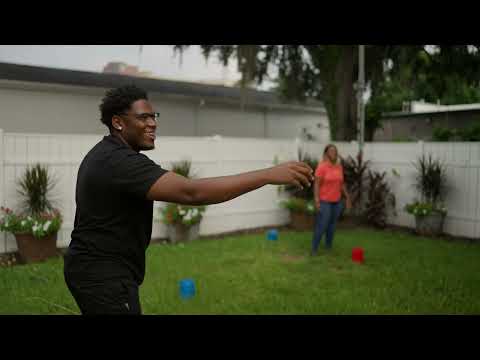
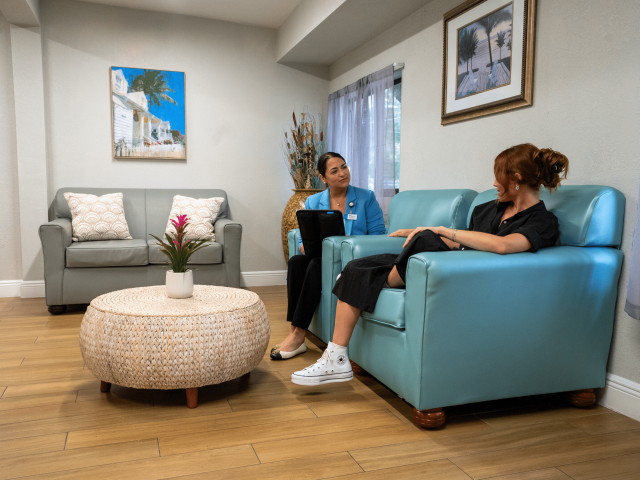
The Orlando residence offers a homelike environment in downtown Orlando with 24/7 staff support and low client-to-staff ratios. Clients can take part in recreation and social integration activities such as art therapy, writing, hiking, eating at local restaurants, and other community-based experiences. These activities add structure, connection, and practice while helping clients apply treatment skills outside formal clinical sessions.
Continue Care After Stabilization
Lifeskills Orlando is part of Lifeskills’ broader Florida continuum, helping clients plan next steps after residential care. Depending on clinical needs, clients may step down to another Lifeskills level of care, coordinate outpatient services, join alumni programming, or continue recovery planning with support for routines, relationships, family needs, and independent living.
Center Overview

Treatment Focus
This center treats substance use disorders and mental health conditions. You'll receive individualized care catered to your unique situation and diagnosis, learn practical skills for recovery, and make new connections in a restorative environment.
Joint Commission Accredited
The Joint Commission accreditation is a voluntary, objective process that evaluates and accredits healthcare organizations (like treatment centers) based on performance standards designed to improve quality and safety for patients. To be accredited means the treatment center has been found to meet the Commission's standards for quality and safety in patient care.
Insurance Accepted
Cash Pay Rates
Estimated Cash Pay Rate
Center pricing can vary based on program and length of stay. Contact the center for more information. Recovery.com strives for price transparency so you can make an informed decision.


Recovery.com Verified Listing
Recovery.com verified that the name, location, contact information and license to operate for this treatment provider are valid and up-to-date.
CARF Accredited
Licensed by Florida DCF
Recovery.com is an independent, third-party mental health resource. Verification does not imply endorsement and does not guarantee the quality of treatment services.
Meet Your Care Team
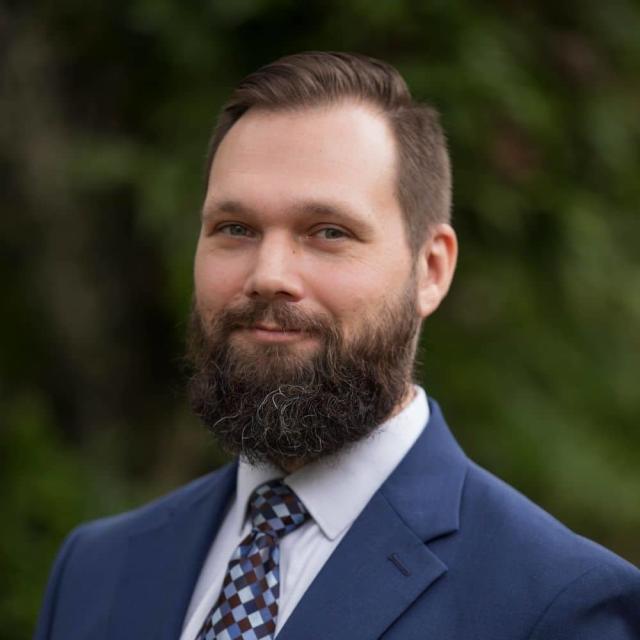
Joe Soutar
Board-Certified Healthcare Executive, Regional Executive Director
MHA, CRRA, FACHE
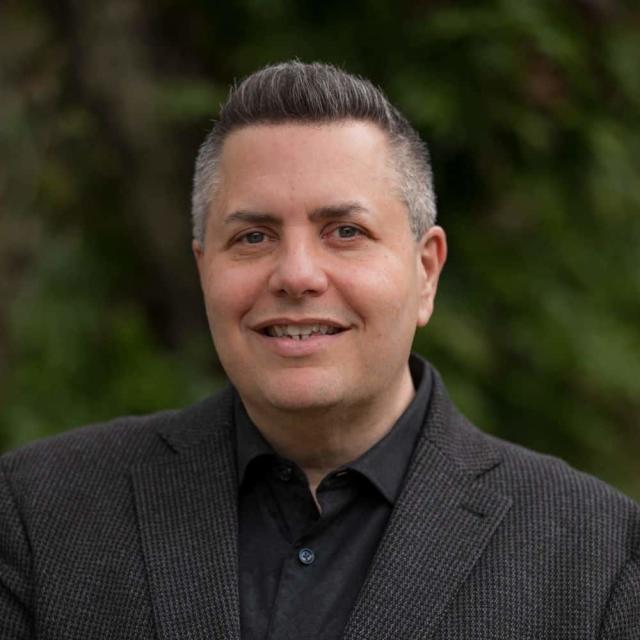
David Ockman
Executive Director of Clinical Services
PsyD, CAP
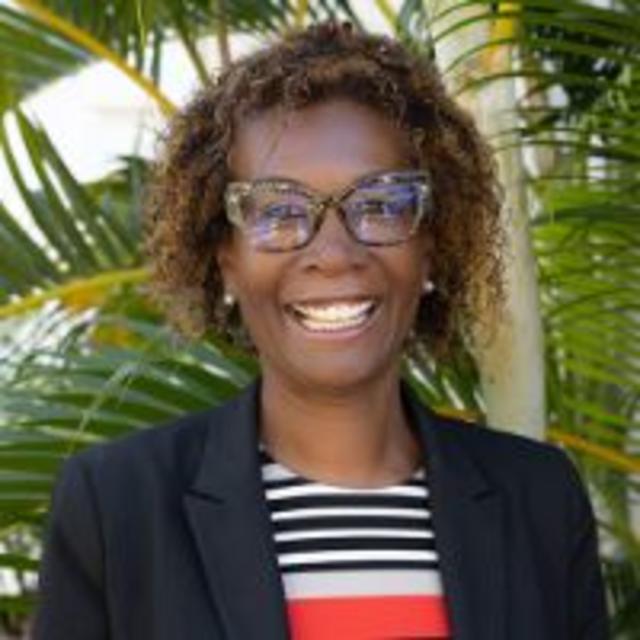
Myrtho Branch
Board Certified Psychiatrist, Medical Director
MD
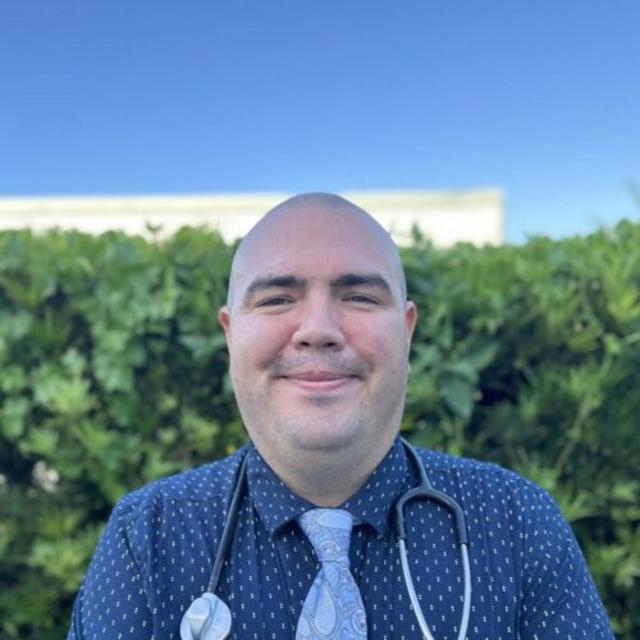
Ryan Murphy
Psychiatric Nurse Practitioner
MSN, PMHNP-BC
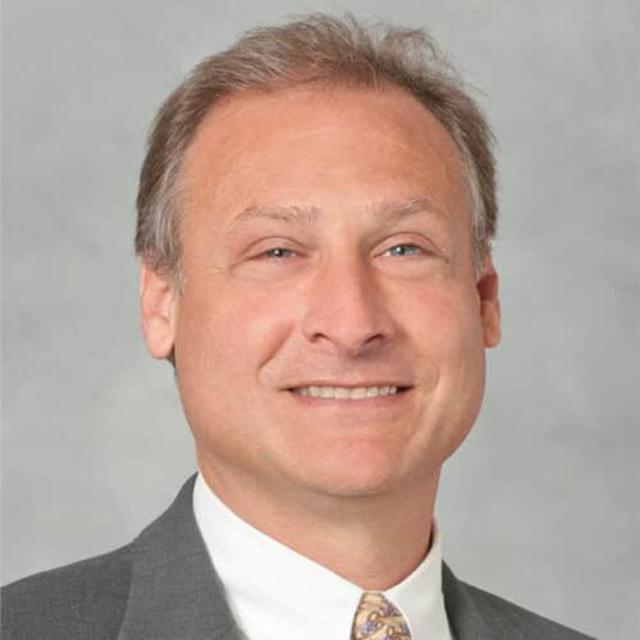
Klay Weaver
Chief Executive Officer
BAS, CRRA
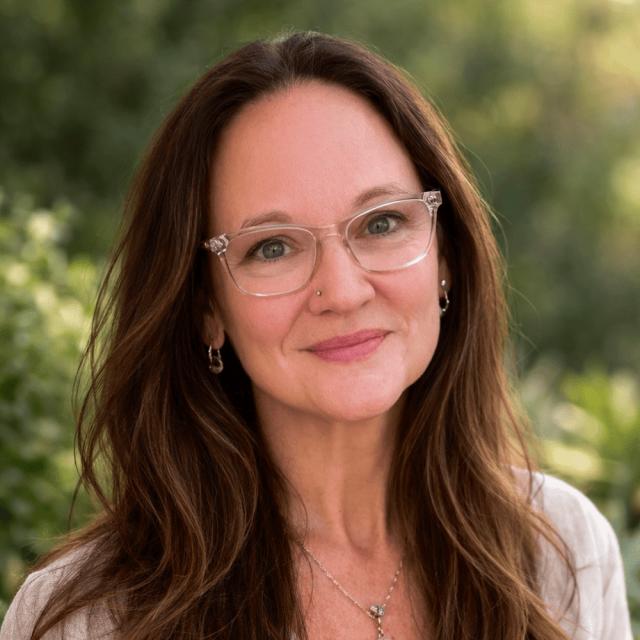
Jennifer Hounshell
Lead Clinician
LMFT, QS, EMDR Trained, IFS Trained, TF-CBT Trained, DBT-Intensively Trained
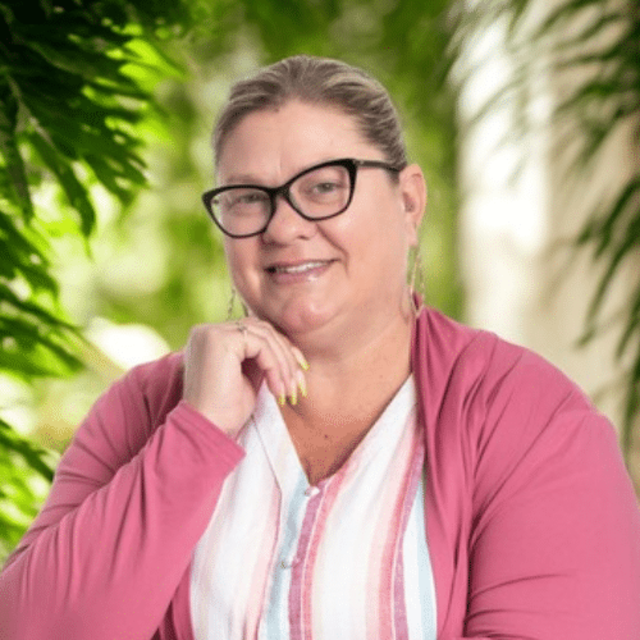
Tonja Christopher
Primary Therapist
PhD, MS, MA
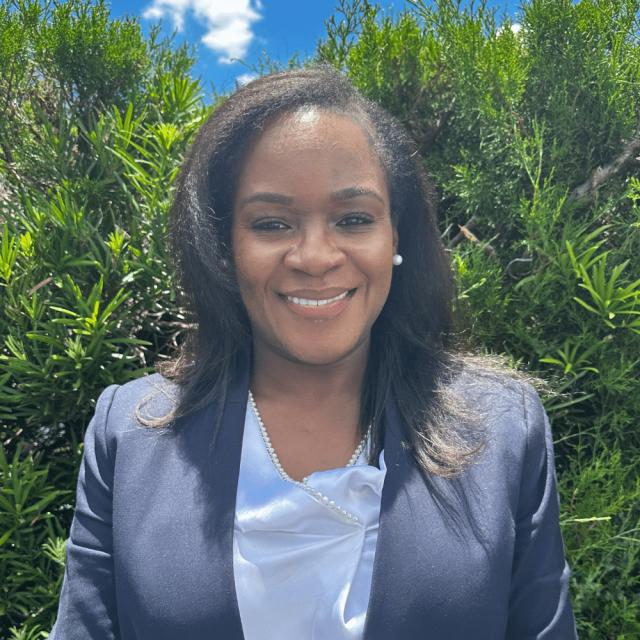
Yolanda Wade-Williams
Primary Therapist
EDD, LMHC, EMDR-Trained, DBT-Intensively Trained
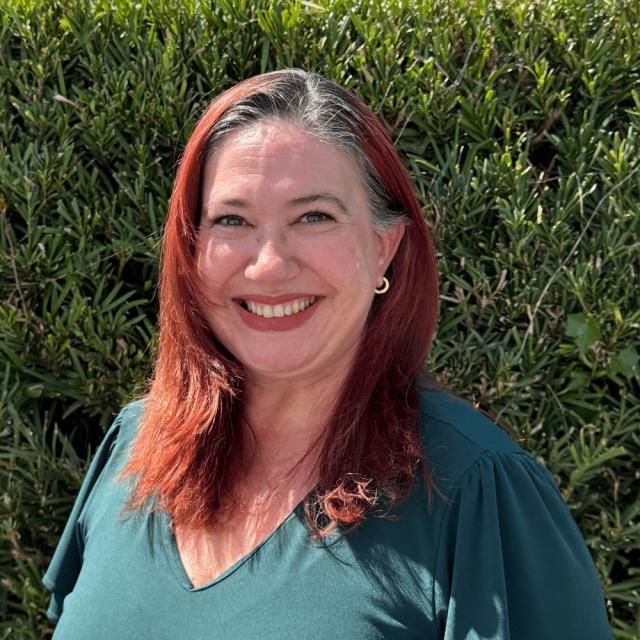
Adriana Lasanta-Bondy
Primary Therapist
PhD
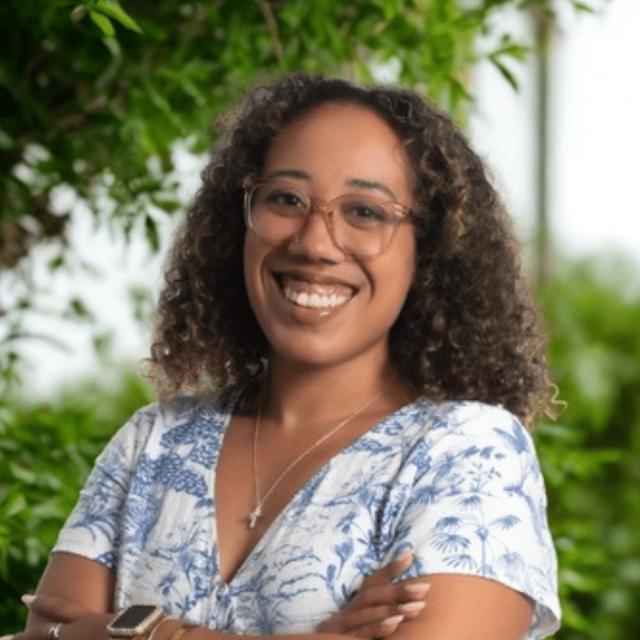
Ariana Guevara
Primary Therapist
LMHC, QS
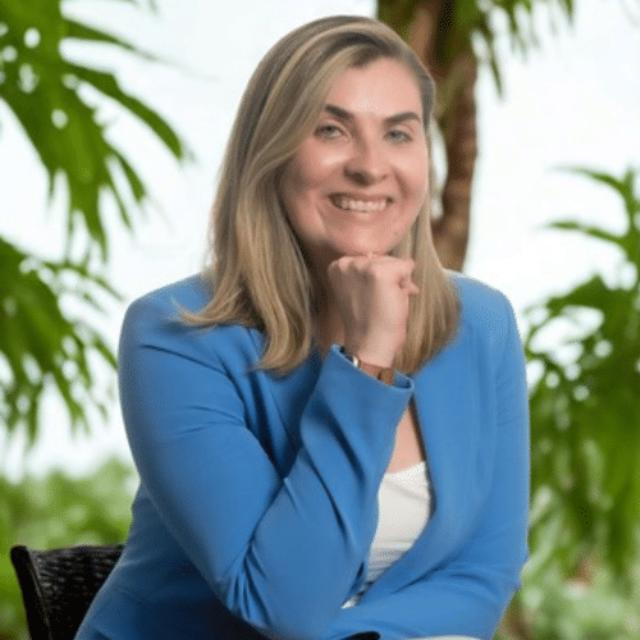
Heather Dawson
Family Therapist
LMHC, QS, Gottman Level II Trained
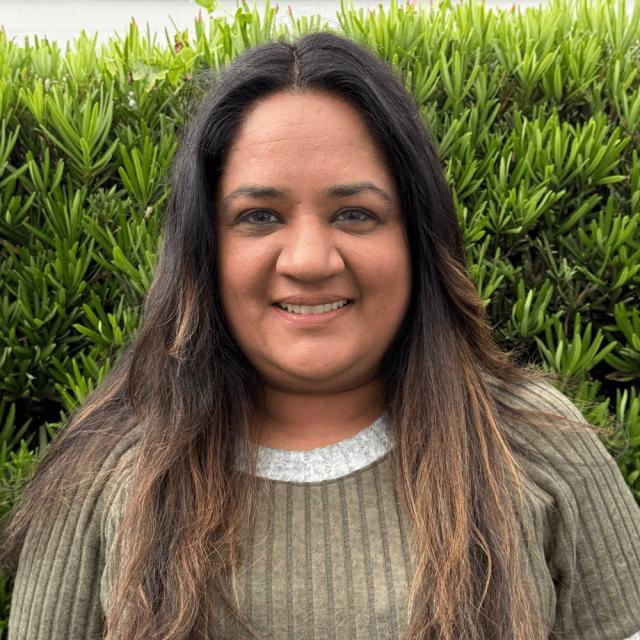
Maaria Ahmad
Family Therapist
LMHC
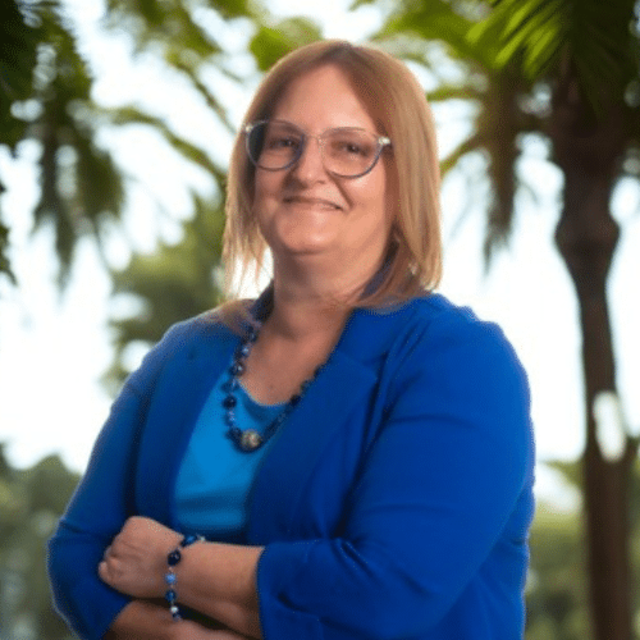
Marnita Patton
Art Therapist
MA, ATR, CCBT, CGT, CDP

Kimberly Denis
Certified Life Coach + Case Manager + Alumni Care Coordinator
BA

Curtis White
Certified Recreational Therapist
CTRS

Mario Seabrook
Milieu Supervisor

George Tillman
Shift Supervisor
Your Care Options
Specializations
Schizophrenia
Schizophrenia is a chronic mental health condition that can affect thinking, emotions, behavior, and perception of reality.
Anxiety
Anxiety is a common mental health condition that can include excessive worry, panic attacks, physical tension, and increased blood pressure.
Bipolar
This mental health condition is characterized by extreme mood swings between depression, mania, and remission.
Depression
Symptoms of depression may include fatigue, a sense of numbness, and loss of interest in activities. This condition can range from mild to severe.
Who We Treat
LGBTQ+
Addiction and mental illnesses in the LGBTQ+ community must be treated with an affirming, safe, and relevant approach, which many centers provide.
Men and Women
Men and women attend treatment for addiction in a co-ed setting, going to therapy groups together to share experiences, struggles, and successes.
Treatment Services
Day Treatment
Also commonly called PHP, patients may live at home or in a recovery residence while following an intensive treatment program. Most have a weekly schedule of M–F and 4 to 6 hours per day.
Intensive Outpatient Program
In an IOP, patients live at home or a sober living, but attend treatment typically 9-15 hours a week. Most programs include talk therapy, support groups, and other methods.
Licensed Primary Mental Health
Some primary care providers offer mental health diagnosis and treatment. This can prevent patients from developing more serious conditions.
Outpatient
During outpatient rehab, patients attend a structured treatment program while continuing to live at home.
Outpatient Therapy
Outpatient therapy offers scheduled counseling and treatment sessions without requiring an overnight stay or residential care.
Residential
In a residential rehab program, patients live onsite, with access to daily treatment and 24-hour care. An average stay is 30-90 days.
Approaches
Evidence-Based
A combination of scientifically rooted therapies and treatments make up evidence-based care, defined by their measured and proven results.
Individual Treatment
Individual care meets the needs of each patient, using personalized treatment to provide them the most relevant care and greatest chance of success.
Medical
Medical addiction treatment uses approved medications to manage withdrawals and cravings, and to treat contributing mental health conditions.
Therapies
1-on-1 Counseling
Patient and therapist meet 1-on-1 to work through difficult emotions and behavioral challenges in a personal, private setting.
Cognitive Behavioral Therapy
Cognitive Behavioral Therapy helps people identify and change unhelpful thought patterns and behaviors that contribute to emotional distress.
Dialectical Behavior Therapy
Dialectical Behavior Therapy teaches skills for managing emotions, improving relationships, tolerating distress, and increasing mindfulness.
Exposure Therapy
Exposure therapy helps individuals gradually face feared situations or triggers to reduce anxiety and build confidence over time.
Eye Movement Therapy (EMDR)
Lateral, guided eye movements help reduce the emotional reactions of retelling and reprocessing trauma, allowing intense feelings to dissipate.
Family Therapy
Family therapy addresses group dynamics within a family system, with a focus on improving communication and interrupting unhealthy relationship patterns.
Group Therapy
Group therapy brings people together in a supportive setting to share experiences, develop skills, and work toward common goals.
Motivational Interviewing and Enhancement Therapy (MET)
MET combines motivational interviewing techniques with structured feedback to encourage behavior change and treatment engagement.
Psychoeducation
This method combines treatment with education, teaching patients about different paths toward recovery. This empowers them to make more effective decisions.
Languages
Conditions We Treat
Anxiety
Anxiety is a common mental health condition that can include excessive worry, panic attacks, physical tension, and increased blood pressure.
Bipolar
This mental health condition is characterized by extreme mood swings between depression, mania, and remission.
Depression
Symptoms of depression may include fatigue, a sense of numbness, and loss of interest in activities. This condition can range from mild to severe.
Obsessive Compulsive Disorder (OCD)
OCD is characterized by intrusive and distressing thoughts that drive repetitive behaviors. This pattern disrupts daily life and relationships.
Personality Disorders
Personality disorders destabilize the way a person thinks, feels, and behaves. If untreated, they can undermine relationships and lead to severe distress.
Post Traumatic Stress Disorder
PTSD is a long-term mental health issue caused by a disturbing event or events. Symptoms include anxiety, dissociation, flashbacks, and intrusive thoughts.
Psychosis
Psychosis is a condition that affects a person’s perception of reality, often involving hallucinations, delusions, or disorganized thinking.
Schizophrenia
Schizophrenia is a chronic mental health condition that can affect thinking, emotions, behavior, and perception of reality.
Self-Harm
The act of intentionally harming oneself, also called self-injury, is associated with mental health issues like depression.
Substances We Treat
Alcohol
Using alcohol as a coping mechanism, or drinking excessively throughout the week, signals an alcohol use disorder.
Co-Occurring Disorders
A person with multiple mental health diagnoses, such as addiction and depression, has co-occurring disorders also called dual diagnosis.
Drug Addiction
Drug addiction is the excessive and repetitive use of substances, despite harmful consequences to a person's life, health, and relationships.
Aftercare
Care Designed for Your Needs
Personal Amenities
Amenities
Special Considerations
Healthy Meals are provided
Great food meets great treatment, with providers serving healthy meals to restore nutrition, wellbeing, and health.
Activities
Off-Site Activities
Off-Site Amenities
Learn More About the Center
Medical Detox Services
Learn how Lifeskills provides 24/7 medical supervision during detox and stabilization.
The Link Between Alcohol and Anxiety Disorders
Understand how co-occurring anxiety and alcohol use disorders feed into one another, and how Lifeskills can help.
Alumni Program
See how alumni support helps clients stay connected after treatment.
Treatment Outcomes
Review Lifeskills’ reported outcomes and how they measure treatment progress.