Find Treatment By
Rehabs by Location


Learn
About Us
Recovery.com combines independent research with expert guidance on addiction and mental health treatment. Our mission is to help everyone find the best path to recovery through the most comprehensive, helpful network of treatment providers worldwide.
Advisory Council
Our advisory council brings together leaders in behavioral health, technology, and business. Their diverse expertise ensures our resources and product are innovative, evidence-based, and effective. They guide our mission as accomplished individuals dedicated to improving the landscape of addiction recovery and mental wellness.

About Intervention 365
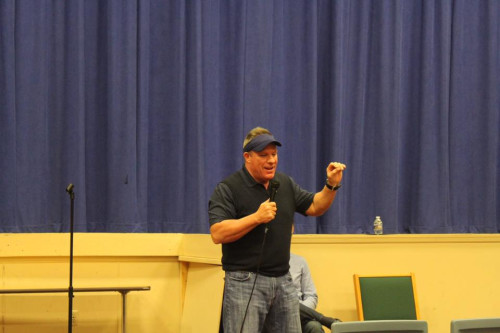
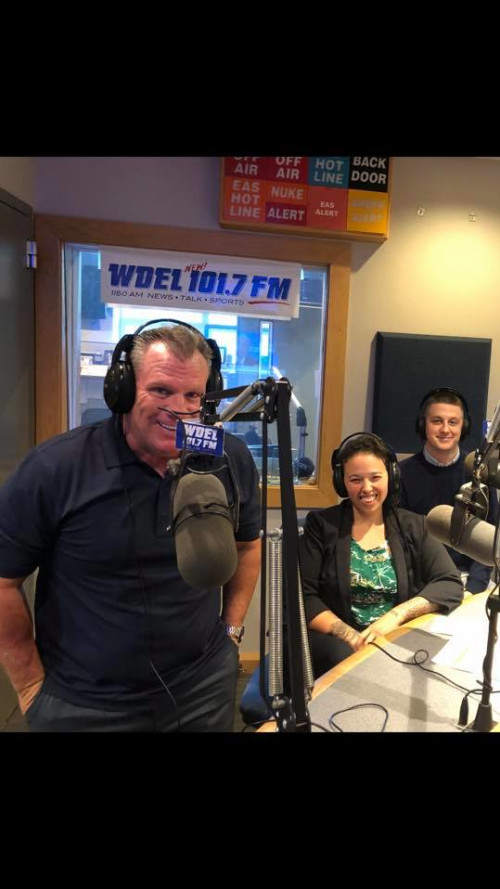
Mainly operating in Philadelphia, Pennsylvania, and serving families across the East Coast from Maine to Florida, Intervention 365 helps families plan and carry out interventions for loved ones who refuse treatment for addiction, mental health concerns, co-occurring disorders, or repeated relapse. Led by Jim Reidy, a Certified Intervention Professional (CIP #10266) with more than 15 years of experience and over 750 successful interventions, the service offers immediate, compassionate support when every moment matters.
Work With a Trusted, Experienced Interventionist
A seasoned interventionist and addiction professional, Jim Reidy is a Psychology Today verified provider, a Pennsylvania Certification Board certified professional, and a member in good standing of the Association of Intervention Specialists (AIS). Known as a premier East Coast interventionist, with 750+ successful interventions, Jim brings calm, direct leadership to families in crisis and has been featured in television work including A&E's Intervention. His mission is simple: to help families intervene effectively and get their loved ones into treatment as quickly and safely as possible, recognizing that addiction affects the entire family system.
How the Intervention Process Works
The process starts with a phone consultation. Jim reviews the family's situation, treatment history, safety concerns, and reasons the person may resist care. He teaches family members how enabling, codependency, and unclear boundaries can affect the situation. He then helps the family prepare letters, set limits, plan the meeting, and use the Johnson Model intervention approach. Services also include treatment placement, transportation coordination, and direct guidance from the first call through admission.
Conditions and Ongoing Services
Intervention 365 works with alcohol addiction, opioid addiction, fentanyl, heroin, cocaine, methamphetamine, marijuana, prescription medication misuse, and benzodiazepine dependence. They also handle cases involving dual diagnosis, mental health concerns, chronic relapse, executives, healthcare professionals, first responders, and young adults. Families may receive follow-up coaching, aftercare planning, and long-term consultation after admission.

Pricing and Program Length
Levels of Care

