HopeQuest

Verified Center

This provider's information has been quality-checked by Recovery.com's Research Team for accuracy and completeness, including center verification through appropriate third-party organizations.

Substance Use

Treatment Focus

This center treats substance use disorders and co-occurring mental health conditions. Your treatment plan addresses each condition at once with personalized, compassionate care for comprehensive healing.

Residential

Primary Level of Care

Offering intensive care with 24/7 monitoring, residential treatment is typically 30 days and can cover multiple levels of care. Length can range from 14 to 90 days typically.

4.7
(68)
Insurance

Provider's Policy

HopeQuest is able to accept insurance for drug and alcohol clients as an in network addiction treatment provider.

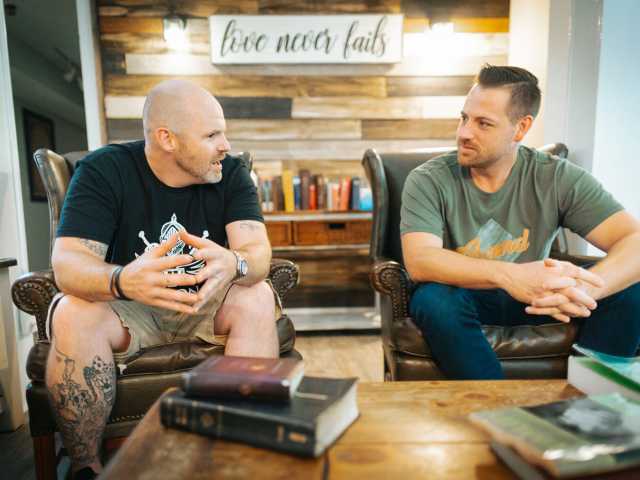
A nonprofit, Christ-centered treatment center, HopeQuest offers clinically effective treatment for men with substance use and process addictions, like pornography and gambling addictions, using an evidence-based and holistic approach. They offer a 12-week residential program along with a high-intensity outpatient program, intensive outpatient program (IOP), and recovery coaching services. They also offer individual and couples counseling and offer supportive housing options for clients participating in their outpatient program.

Address Underlying Issues with Expert Clinical Care

HopeQuest's approach focuses on addressing the underlying issues that contribute to addiction, as well as developing healthy coping strategies and building authentic relationships. The facility offers multiple individual counseling sessions per week, a multidimensional psychoeducational curriculum, support groups, and case management. Their master’s level, licensed clinicians include certified sexual addiction therapists (CSAT), licensed marriage and family therapists (LMFT), and licensed professional counselors (LPC).

Restore Hope in a Tranquil Environment

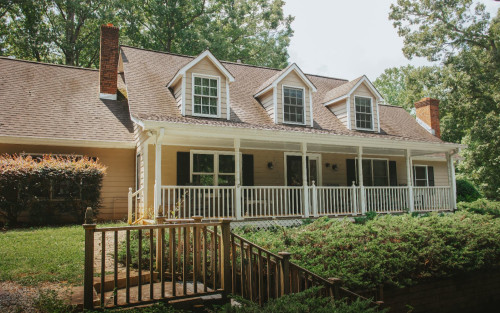
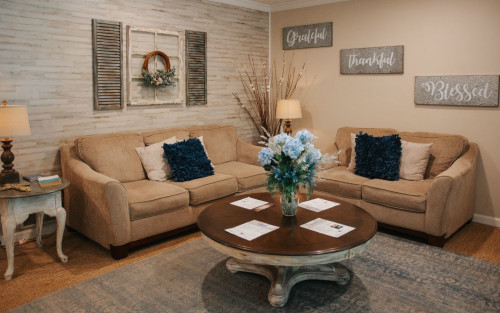
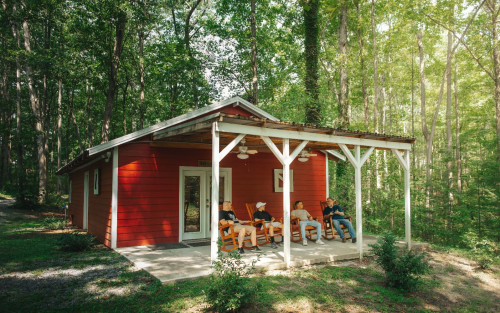
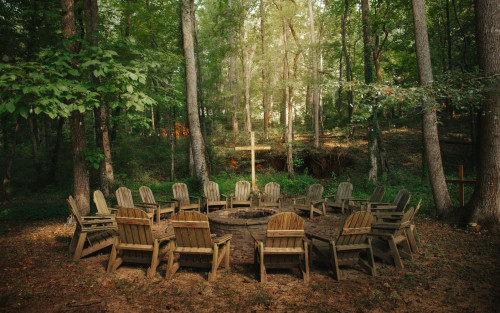
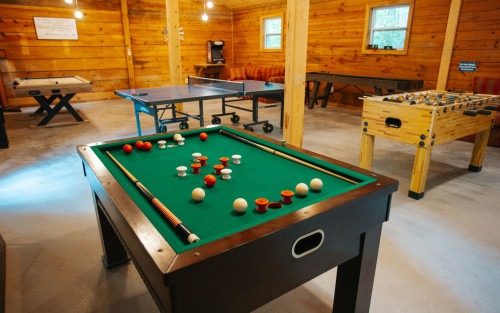
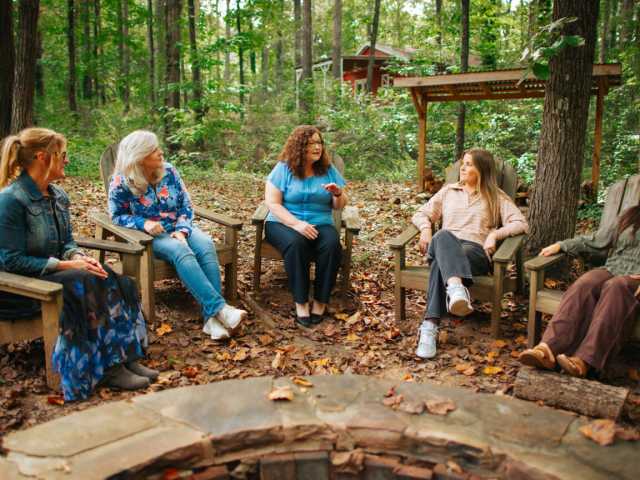
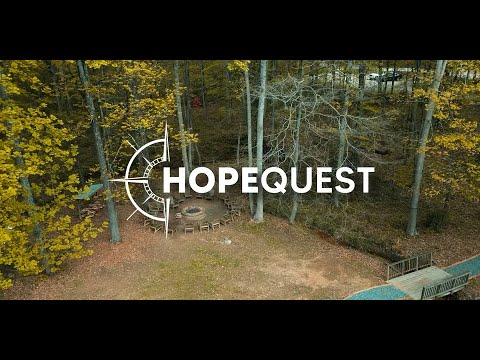
Nestled on an 18-acre wooded campus, HopeQuest provides a peaceful setting for men healing from addiction. In their red barn, men gather to relax, play games, and build connections. Clients stay in home-like accommodations with 2–3 per room, and each is paired with a senior program participant to help them settle in. An on-site chef handles meal planning, shopping, and cooking, while clients assist in preparation, serving, and cleanup, encouraging responsibility, collaboration, and a sense of shared purpose.

Sustain Recovery with Continued Care and Support

HopeQuest offers aftercare planning with case management to support long-term recovery. Men completing residential treatment can step down into HopeQuest’s outpatient care and counseling, with sober living arrangements available as needed. After the program, clients are connected with mentors, support groups, employment opportunities, and stable housing as necessary. Alumni support provides ongoing opportunities to connect, with encouragement, accountability, and community.
HopeQuest thumbnail
AT A GLANCE

Center Overview

Location
5345 Crossroads Dr., Acworth, GA 30102 View Map
Primary Focus
This center treats substance use disorders and co-occurring mental healt...

Treatment Focus

This center treats substance use disorders and co-occurring mental health conditions. Your treatment plan addresses each condition at once with personalized, compassionate care for comprehensive healing.

Accreditation
CARF

CARF Accredited

CARF stands for the Commission on Accreditation of Rehabilitation Facilities. It's an independent, non-profit organization that provides accreditation services for a variety of healthcare services. To be accredited means that the program meets their standards for quality, effectiveness, and person-centered care.

Typical Program Length
90 days
Founded in 1999
27 years in business
Occupancy
16-30 beds
Conditions We Treat
ADHD, ADD, Anxiety, Depression, Gambling +8 More
Substance Use We Treat
Alcohol, Benzodiazepines, Co-Occurring Disorders, Cocaine +7 More
How to pay

Insurance Accepted

BlueCross BlueShield
Tricare
Provider's Policy: HopeQuest is able to accept insurance for drug and alcohol clients as an in network addiction treatment provider.
(678) 506-8914
A Safe Space to Heal and Explore Christianity
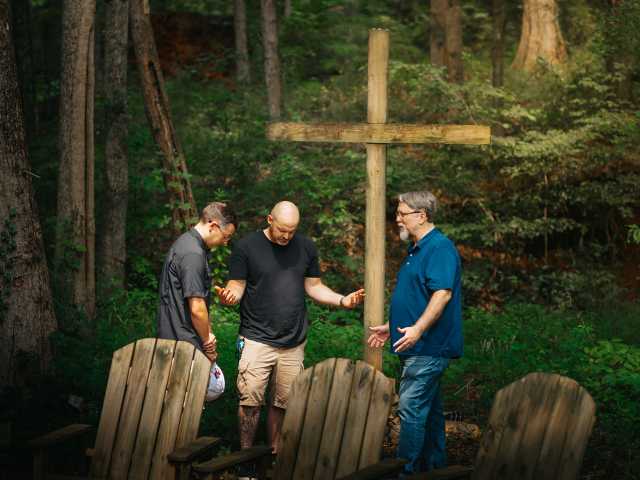
Integrating Christian principles like grace, hope, and freedom, HopeQuest offers a Christ-centered program where clients can experience God’s grace and explore faith at their own pace. They recognize that many have been hurt by the church. While all staff are Christians, clients are not required to share those beliefs or adopt them during treatment.
Hope for the Whole Family
During HopeQuest’s Reclaiming Families Weekend, family members can gain insight into addiction, share experiences, and begin healing broken relationships. In a safe and supportive space, families reconnect, rebuild trust, and take meaningful steps toward lasting restoration.
Community and Support for Spouses
Through their Care for Wives program, HopeQuest supports spouses of men in residential treatment. Weekly online groups, led by a therapist specializing in partner support, offer guidance and connection, along with optional 1-on-1 support. Journey groups also help women process betrayal and loss, creating space to grieve, heal, and grow alongside others who understand.
Continue Progress with Outpatient Treatment
HopeQuest’s outpatient programs, designed to meet men where they are, offers structured support with the flexibility to maintain work and family life. Their high-intensity daytime program gradually steps down over 12 weeks, while their intensive outpatient evening program offers continued support for those transitioning from higher levels of care or needing a less intensive option.

Recovery.com Verified Listing

Recovery.com verified that the name, location, contact information and license to operate for this treatment provider are valid and up-to-date.
CARF Accredited
CARF Accredited

Licensed by Georgia

Licensed by Georgia

Recovery.com is an independent, third-party mental health resource. Verification does not imply endorsement and does not guarantee the quality of treatment services.

Staff

Meet Your Care Team

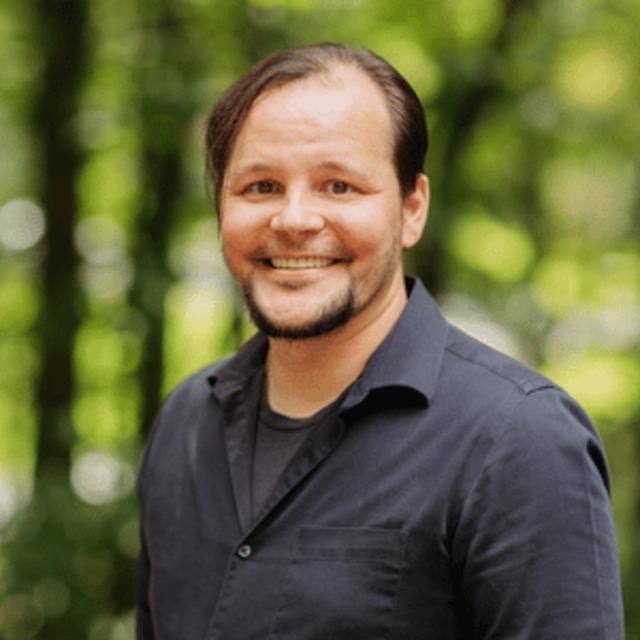
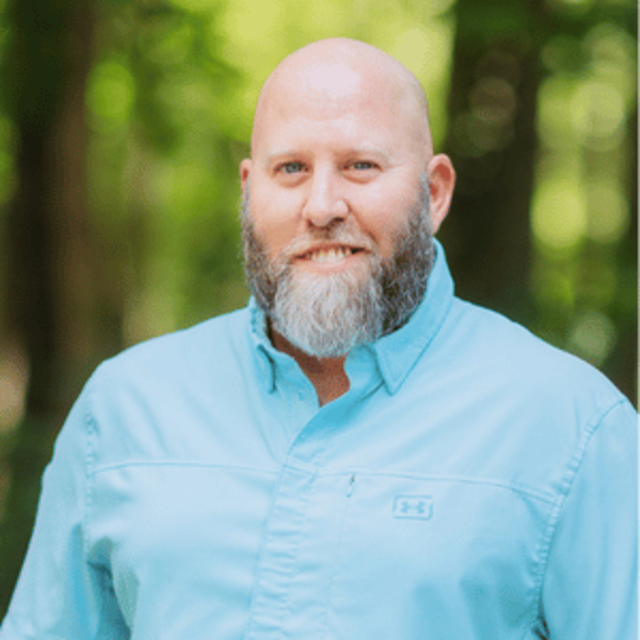
Troy Haas

Troy Haas

CEO

M.Div., CADC-II, CSAT, CMAT
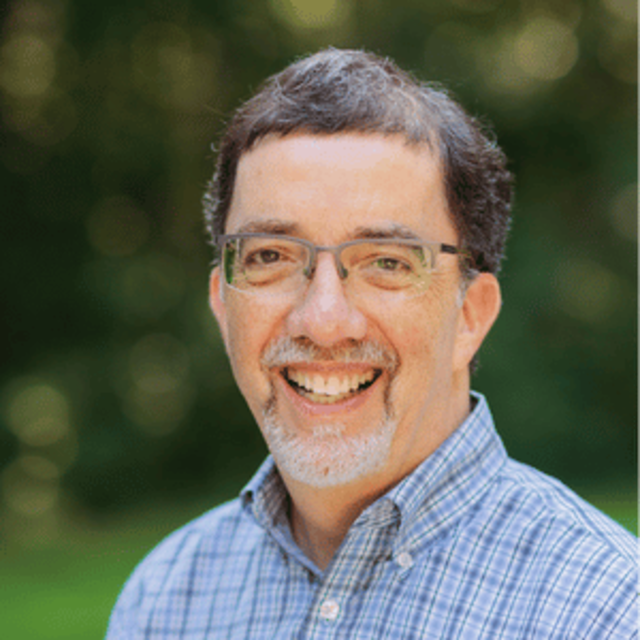
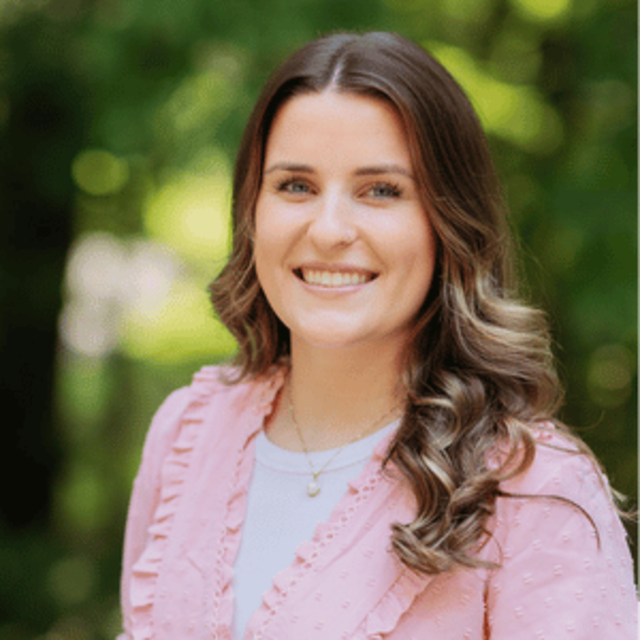
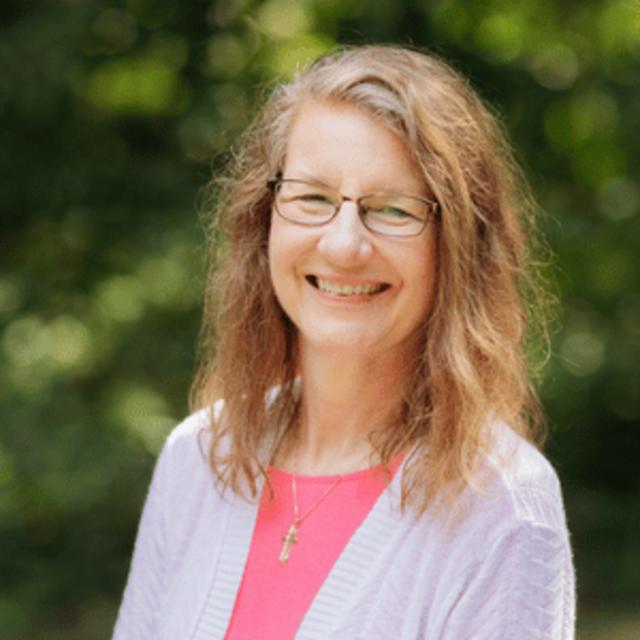
Bob Beard

Bob Beard

Chief Operating Office

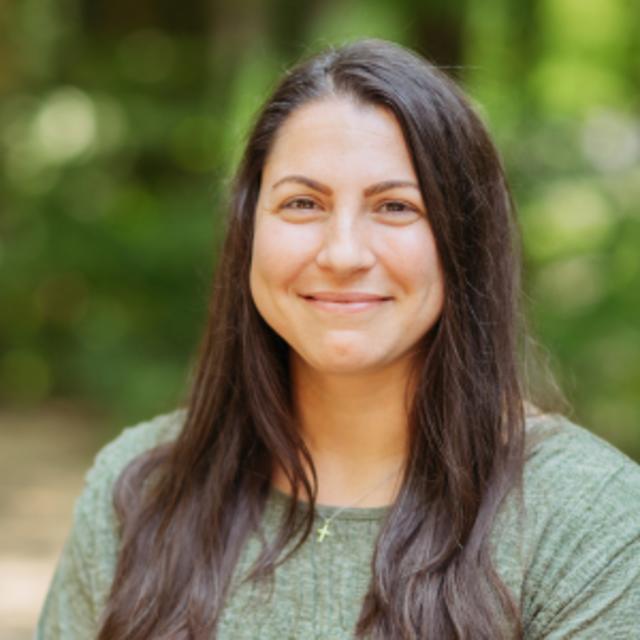
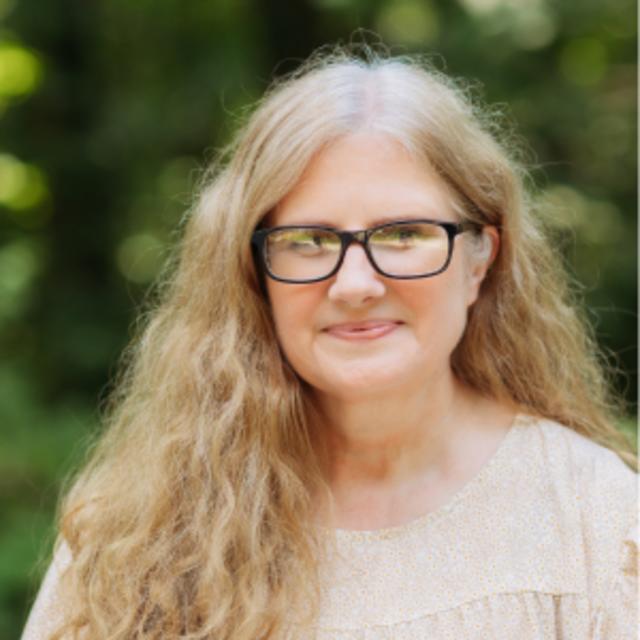
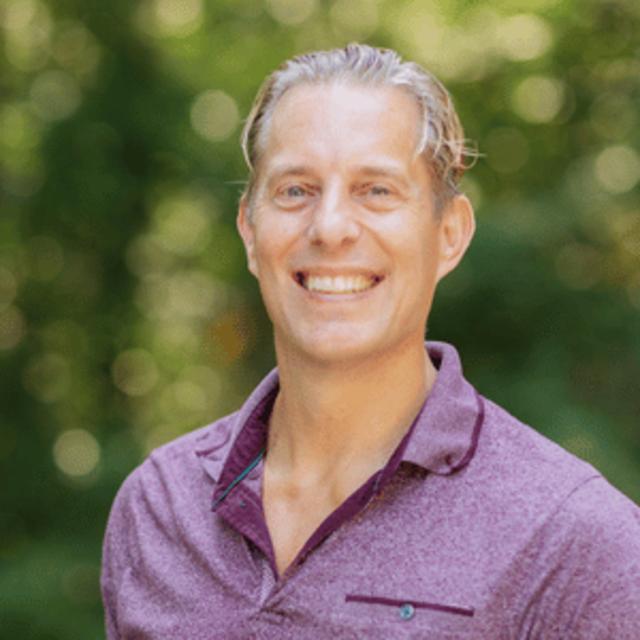
Wayne Carriker

Wayne Carriker

Co-Chief Clinical Officer

MA, APC, CADC-II, CCS, CSAT, CMAT
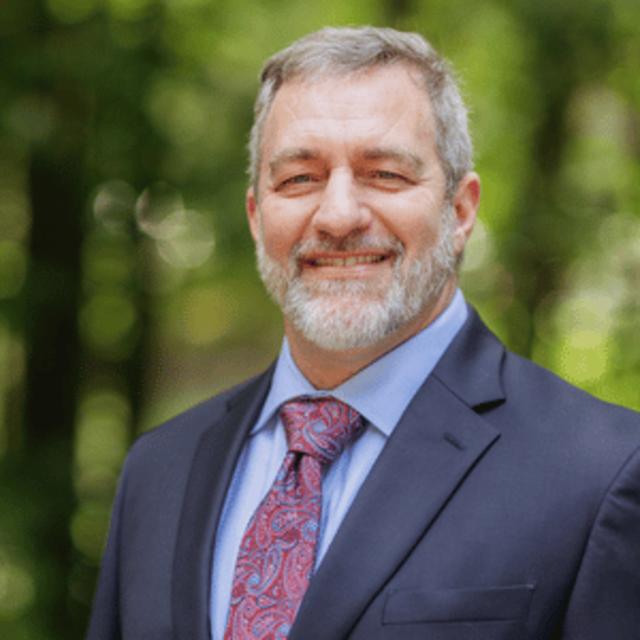
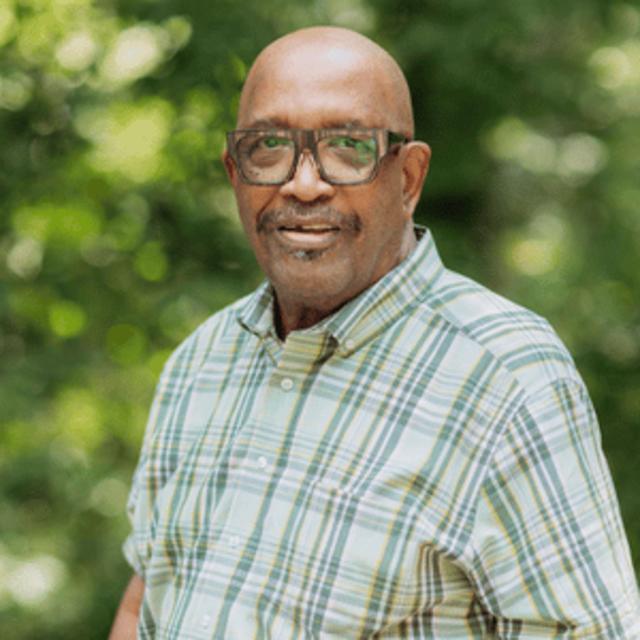
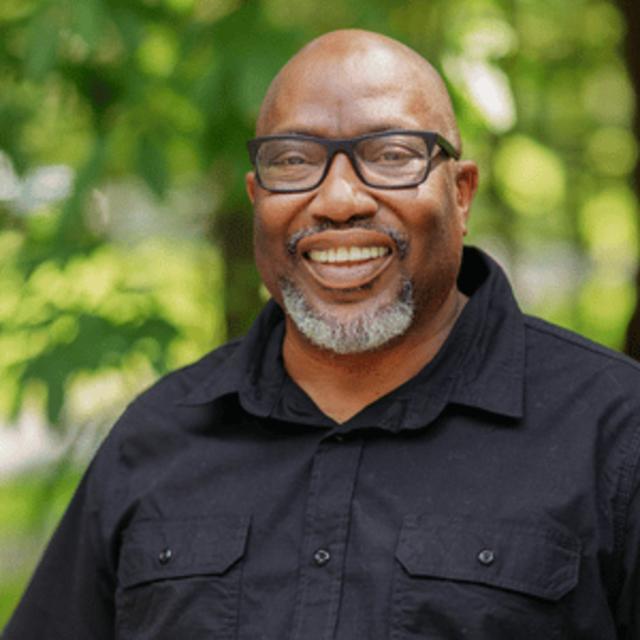
Phil Mitchell

Phil Mitchell

Co-Chief Clinical Officer

M.Div., LMFT, LPC, CSAT, CMAT, CPCS
Treatment

Your Care Options

Specializations

Pornography Addiction

Pornography Addiction

A person with a porn addiction is emotionally dependent on pornography to the point that it interferes with their daily life and relationships.

Alcohol

Alcohol

Using alcohol as a coping mechanism, or drinking excessively throughout the week, signals an alcohol use disorder.

Co-Occurring Disorders

Co-Occurring Disorders

A person with multiple mental health diagnoses, such as addiction and depression, has co-occurring disorders also called dual diagnosis.

Drug Addiction

Drug Addiction

Drug addiction is the excessive and repetitive use of substances, despite harmful consequences to a person's life, health, and relationships.

Gambling

Gambling

Excessive, repetitive gambling causes financial and interpersonal problems. This addiction can interfere with work, friendships, and familial relationships.

Internet Addiction

Internet Addiction

Internet addiction is common among children teens. This compulsive disorder can damage relationships, school performance, sleep habits, and physical health.

Opioids

Opioids

Opioids produce pain-relief and euphoria, which can lead to addiction. This class of drugs includes prescribed medication and the illegal drug heroin.

Sex Addiction

Sex Addiction

Compulsively seeking out sex can easily become a problem. This addiction is detrimental to relationships, physical health, and self-esteem.

Who We Treat

Men
Men Only

Treatment Services

Intensive Outpatient Program

Intensive Outpatient Program

In an IOP, patients live at home or a sober living, but attend treatment typically 9-15 hours a week. Most programs include talk therapy, support groups, and other methods.

Outpatient

Outpatient

During outpatient rehab, patients attend a structured treatment program while continuing to live at home.

Outpatient Therapy
Residential

Residential

In a residential rehab program, patients live onsite, with access to daily treatment and 24-hour care. An average stay is 30-90 days.

Sober Living

Sober Living

These structured living environments help people transition out of rehab. Residents have more freedom than they do during rehab, but still follow certain rules.

Approaches

Christian

Christian

Through surrender and commitment to Christ, patients refocus the efforts and source of their recovery with clinical and spiritual care.

Evidence-Based

Evidence-Based

A combination of scientifically rooted therapies and treatments make up evidence-based care, defined by their measured and proven results.

Gender-Specific

Gender-Specific

Separate treatment for men or women can create strong peer connections and remove barriers related to trauma, shame, and gender-specific nuances.

Holistic

Holistic

A non-medicinal, wellness-focused approach that aims to align the mind, body, and spirit for deep and lasting healing.

Spiritual Emphasis

Spiritual Emphasis

Spirituality connects patients to a higher power and helps strengthen their recovery, hope, and compliance with other treatment modalities.

Therapies

1-on-1 Counseling

1-on-1 Counseling

Patient and therapist meet 1-on-1 to work through difficult emotions and behavioral challenges in a personal, private setting.

Eye Movement Therapy (EMDR)

Eye Movement Therapy (EMDR)

Lateral, guided eye movements help reduce the emotional reactions of retelling and reprocessing trauma, allowing intense feelings to dissipate.

Family Therapy

Family Therapy

Family therapy addresses group dynamics within a family system, with a focus on improving communication and interrupting unhealthy relationship patterns.

Group Therapy
Life Skills

Life Skills

Teaching life skills like cooking, cleaning, clear communication, and even basic math provides a strong foundation for continued recovery.

Nutrition Counseling

Nutrition Counseling

Nutritious food helps patients heal from within, setting them up for mental and bodily wellness as they learn about healthy eating.

Psychoeducation

Psychoeducation

This method combines treatment with education, teaching patients about different paths toward recovery. This empowers them to make more effective decisions.

Relapse Prevention Counseling

Relapse Prevention Counseling

Relapse prevention counselors teach patients to recognize the signs of relapse and reduce their risk.

Spiritual Care

Spiritual Care

Tending to spiritual health helps treatment become more effective, allowing patients to better cope with their emotions and rebuild their spiritual wellbeing.

Languages

English

Conditions We Treat

ADHD, ADD

ADHD, ADD

ADHD is a common mental health condition caused by dopamine imbalance. Common symptoms include inattention, hyperactivitiy, and impulsivity.

Anxiety

Anxiety

Anxiety is a common mental health condition that can include excessive worry, panic attacks, physical tension, and increased blood pressure.

Depression

Depression

Symptoms of depression may include fatigue, a sense of numbness, and loss of interest in activities. This condition can range from mild to severe.

Gambling

Gambling

Excessive, repetitive gambling causes financial and interpersonal problems. This addiction can interfere with work, friendships, and familial relationships.

Gaming

Gaming

Compulsive gaming is most often a problem for children and teens. The disorder can affect physical health, sleep, and the ability to focus at school.

Internet Addiction

Internet Addiction

Internet addiction is common among children teens. This compulsive disorder can damage relationships, school performance, sleep habits, and physical health.

Obsessive Compulsive Disorder (OCD)

Obsessive Compulsive Disorder (OCD)

OCD is characterized by intrusive and distressing thoughts that drive repetitive behaviors. This pattern disrupts daily life and relationships.

Personality Disorders

Personality Disorders

Personality disorders destabilize the way a person thinks, feels, and behaves. If untreated, they can undermine relationships and lead to severe distress.

Pornography Addiction

Pornography Addiction

A person with a porn addiction is emotionally dependent on pornography to the point that it interferes with their daily life and relationships.

Substances We Treat

Alcohol

Alcohol

Using alcohol as a coping mechanism, or drinking excessively throughout the week, signals an alcohol use disorder.

Benzodiazepines

Benzodiazepines

Benzodiazepines are prescribed to treat anxiety and sleep issues. They are highly habit forming, and their abuse can cause mood changes and poor judgement.

Co-Occurring Disorders

Co-Occurring Disorders

A person with multiple mental health diagnoses, such as addiction and depression, has co-occurring disorders also called dual diagnosis.

Cocaine

Cocaine

Cocaine is a stimulant with euphoric effects. Agitation, muscle ticks, psychosis, and heart issues are common symptoms of cocaine abuse.

Drug Addiction

Drug Addiction

Drug addiction is the excessive and repetitive use of substances, despite harmful consequences to a person's life, health, and relationships.

Ecstasy

Ecstasy

Ecstasy is a stimulant that causes intense euphoria and heightened awareness. Abuse of this drug can trigger depression, insomnia, and memory problems.

Heroin

Heroin

Heroin is a highly addictive and illegal opioid. It can cause insomnia, collapsed veins, heart issues, and additional mental health issues.

Methamphetamine

Methamphetamine

Methamphetamine, or meth, increases energy, agitation, and paranoia. Long-term use can result in severe physical and mental health issues.

Opioids

Opioids

Opioids produce pain-relief and euphoria, which can lead to addiction. This class of drugs includes prescribed medication and the illegal drug heroin.

Aftercare

Recovery Coach
Outpatient Treatment
Support Meetings
Relapse Prevention Planning
Aftercare App
Alumni Events & Get-Togethers
Private, Online Alumni Groups
Mentoring and Peer support
Experience

Care Designed for Your Needs

Personal Amenities

Shared Bathroom
Shared Rooms

Amenities

Access to Nature
Basketball Court
Chef-prepared Meals
Lounge

Special Considerations

Religion-Based Track

Religion-Based Track

Patients can join faith-based recovery tracks to approach recovery with others in their faith, healing in a like-minded group with similar goals.

Gender-specific groups

Gender-specific groups

Patients in gender-specific groups gain the opportunity to discuss challenges unique to their gender in a comfortable, safe setting conducive to healing.

Family Program

Activities

Games
Volleyball
Frequently Asked Questions

Further Research

The following therapies are included: spiritual care, group therapy and more.
Acworth, Georgia, United States.
HopeQuest is able to accept insurance for drug and alcohol clients as an in network addiction treatment provider.
The typical length is 90 days.
HopeQuest provides residential, intensive outpatient program and more.