All CentersGuardian Recovery - Boca Raton Adolescent Center (Closed)

Guardian Recovery - Boca Raton Adolescent Center (Closed)

Substance Use

Treatment Focus

This center treats substance use disorders and co-occurring mental health conditions. Your treatment plan addresses each condition at once with personalized, compassionate care for comprehensive healing.

Outpatient

Primary Level of Care

Outpatient treatment offers flexible therapeutic and medical care without the need to stay overnight in a hospital or inpatient facility. Some centers offer intensive outpatient program (IOP), which falls between inpatient care and traditional outpatient service.

4.6
(11)
Unclaimed

This provider hasn't verified their profile's information. Are you the owner of this center? Claim your listing to better manage your presence on Recovery.com.

Insurance

Provider's Policy

Guardian Recovery accepts most major and regional health insurance providers.

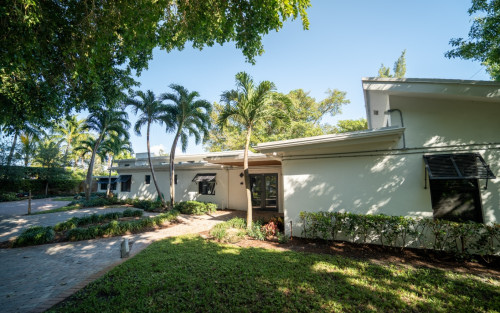
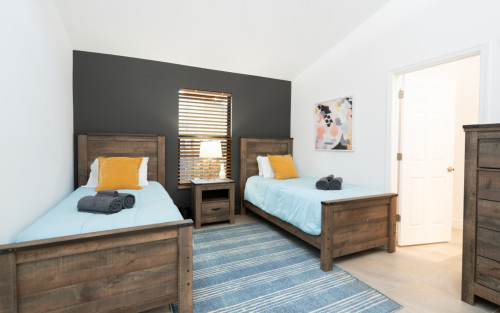
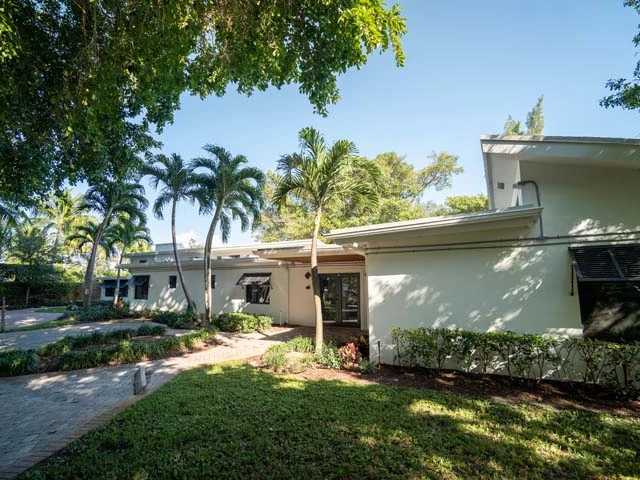
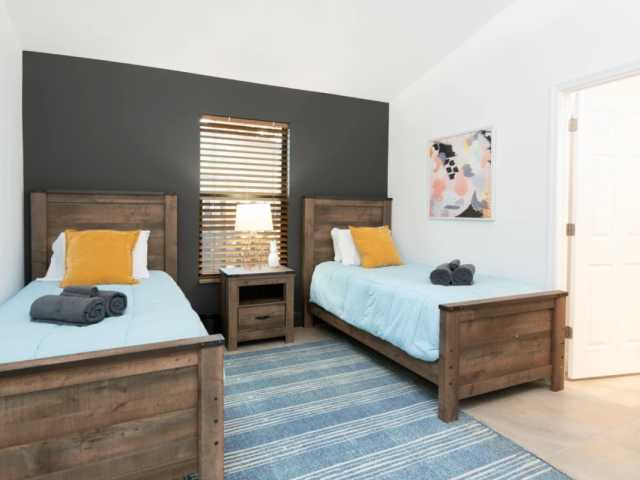
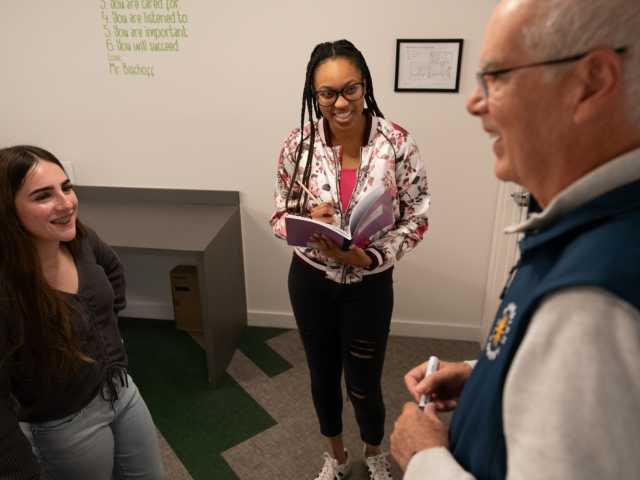
*CLOSED* Guardian Recovery - Boca Raton Adolescent Center treats teen girls ages 13-17 with substance addictions and co-occurring mental health conditions. They provide day treatment (partial hospitalization) and intensive outpatient care with individual, group, and family therapy. They provide a sober living option for clients in day treatment. Guardian Recovery additionally offers holistic and recreational therapies for teens in recovery.

Supervised Outpatient Treatment

Guardian Recovery’s adolescent services use outpatient support for long-lasting recovery. Female clients who require more support can participate in their day treatment program, which offers full-time therapeutic programming while living at home or in Guardian Recovery’s sober living option. They additionally provide intensive outpatient care for less of a time commitment. Teens have an assigned primary therapist and case manager throughout their treatment.

Evidence-Based and Comprehensive Care

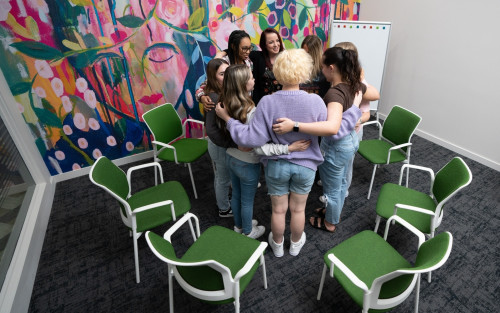
Guardian Recovery provides evidence-based and holistic therapies during treatment, including cognitive behavioral therapy (CBT), dialectical behavior therapy (DBT), life skills training, motivational interviewing techniques, art therapy, and mindfulness practices. Teens attend daily group therapies and regular 1:1 therapy with their primary therapist. Guardian Recovery also prioritizes academics alongside recreational therapy, bringing teens together for movie nights, game nights, and scheduled activities.

Family and Academic Support

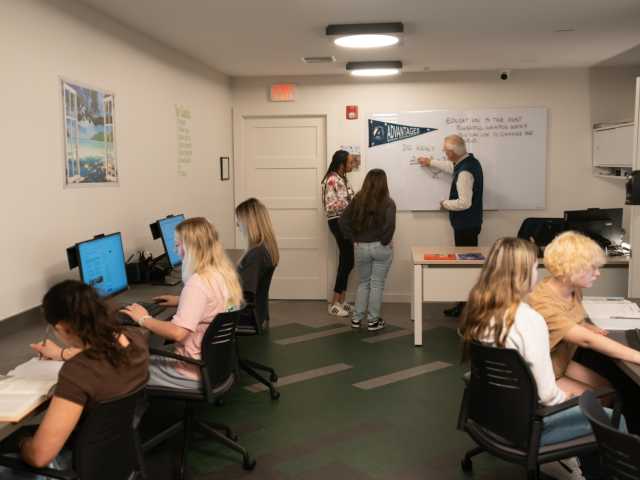
Guardian Recovery involves family each step of the way, from admissions to aftercare planning. Families can attend family therapy online or in-person once a week. Loved ones can also receive 1:1 guidance from Guardian Recovery’s team and attend a weekly support group designed for teen’s parents and loved ones. Female clients maintain academic requirements at Guardian Recovery with 2 hours offered Monday-Friday to work on school. They coordinate with the client’s home school to ensure continuity in their education.

Guardian Recovery - Boca Raton Adolescent Center (Closed) thumbnail

Highlights from the Center

Highlights

These highlights are provided by and paid for by the center.

  • Customized Treatment Plans

  • Holistic Approach

  • Trauma-Informed Care

  • Adolescents

AT A GLANCE

Center Overview

Location
1700 NW Boca Raton Blvd, Boca Raton, FL 33432 View Map
Part of
network
Primary Focus
This center treats substance use disorders and co-occurring mental healt...

Treatment Focus

This center treats substance use disorders and co-occurring mental health conditions. Your treatment plan addresses each condition at once with personalized, compassionate care for comprehensive healing.

Accreditation
Joint Commission

Joint Commission Accredited

The Joint Commission accreditation is a voluntary, objective process that evaluates and accredits healthcare organizations (like treatment centers) based on performance standards designed to improve quality and safety for patients. To be accredited means the treatment center has been found to meet the Commission's standards for quality and safety in patient care.

Typical Program Length
30-90 days
Founded in 2024
2 years in business
Occupancy
6-15 beds
Conditions We Treat
ADHD, ADD, Anger, Anxiety, Bipolar +6 More
Substance Use We Treat
Alcohol, Chronic Relapse, Co-Occurring Disorders, Cocaine +8 More
Guardian Recovery - Boca Raton Adolescent Center (Closed) logo
guardianrecovery.com
Are you the owner of this center? Claim it
How to pay

Insurance Accepted

Provider's Policy: Guardian Recovery accepts most major and regional health insurance providers.
Verify Insurance
Private Pay Option

Cash Pay Rates

Estimated Cash Pay Rate

Center pricing can vary based on program and length of stay. Contact the center for more information. Recovery.com strives for price transparency so you can make an informed decision.

If you are not using insurance, the pricing listed below is an estimate of the cash pay rate.
5-7 days
$1,495/night
14-28
$1,495/night
28 days - PHP including housing
$48,000
month - IOP without housing
$7,000
(877) 522-4490
Staff

Meet Your Care Team

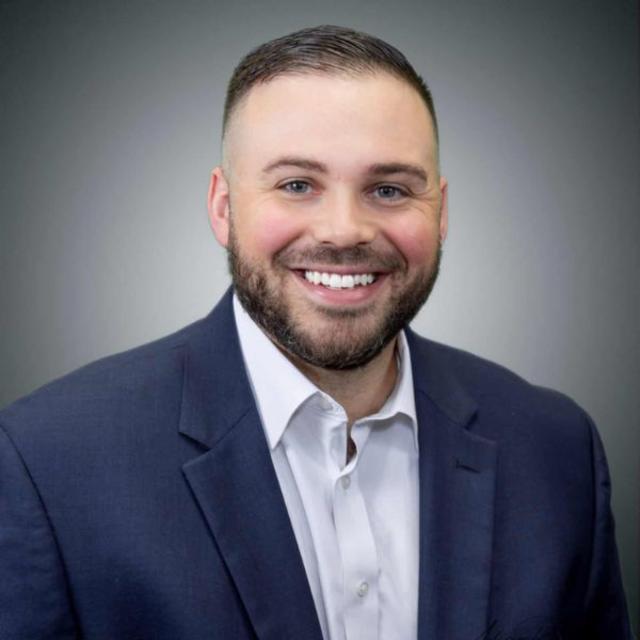
Ryan Mauthe

Ryan Mauthe

Executive Director

BSW, MBA, CRRA
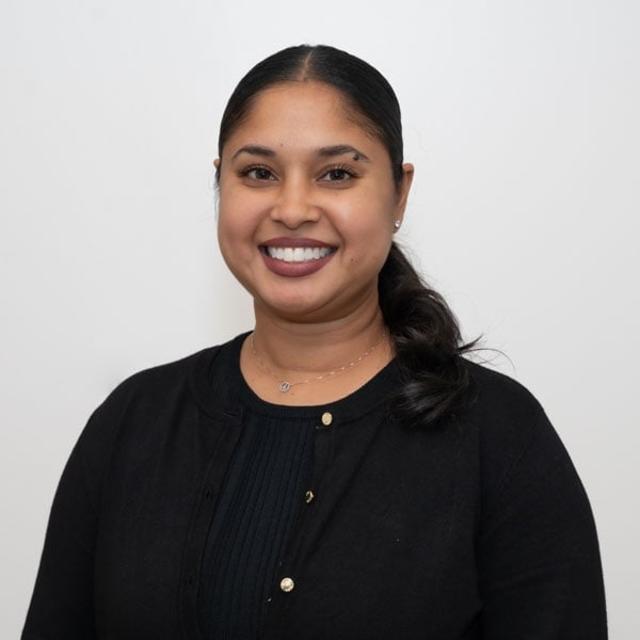
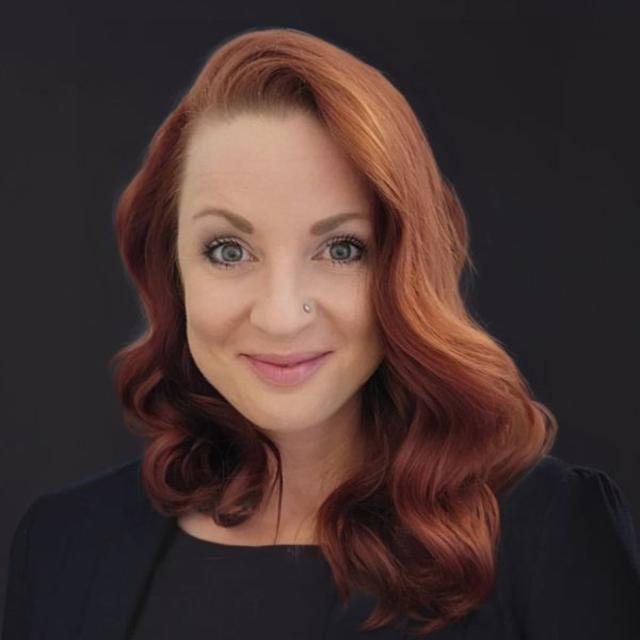
Melissa Harrycharan

Melissa Harrycharan

Director of Nursing

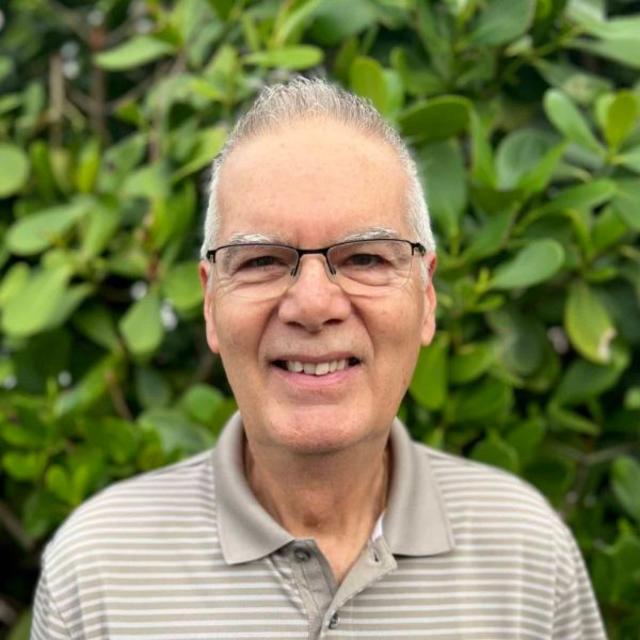
Aida Sek

Aida Sek

Clinical Director

LCSW

Monica Miskie

Monica Miskie

Office Manager

Outpatient Care for Teen Girls
Guardian Recovery provides two levels of outpatient care to fit clients’ unique needs. Their day treatment offers full-time recovery programming with various evidence-based and holistic therapies in individual and group formats. Guardian Recovery’s intensive outpatient program provides the same therapeutic approach with less time commitment. Clients in either program can choose to live in their supportive housing.
Recovery Support and Academics
Guardian Recovery’s program offers intensive therapeutic care, integral family involvement, and time for academics. Throughout their experience, teens learn coping tools for recovery and ways to address and navigate co-occurring mental health conditions, triggers, and cravings. Guardian Recovery additionally dedicates 2 hours Monday through Friday for teens to work on school.
Family Involvement
Family Involvement
Guardian Recovery involves the family throughout the child’s treatment experience. Case managers and other staff communicate with loved ones to provide updates and support. Parents and loved ones attend weekly family therapy with their teen and therapist. Families can also join Guardian Recovery’s weekly support group for family members for additional support and education.
Dual-Diagnosis Recovery
Guardian Recovery treats primary substance use disorders and co-occurring mental health conditions, if present. Their evidence-based and holistic therapies simultaneously address both conditions for a comprehensive recovery experience. Female clients learn new, substance-free ways to manage and navigate their emotions through Guardian Recovery’s group and 1:1 therapies.
Care Options

Levels of Care

Everyone's recovery journey is unique. Whether it looks like residential rehab for 30 days, an outpatient program, or virtual therapy, you can find a level of care that fits your needs.
Detox
Not Offered at This Center
Typically the initial stage of treatment for substance use, focusing on medically supervised management of withdrawal symptoms.
Residential Rehab
Offering intensive care with 24/7 monitoring, residential substance use treatment is typically 30 days. Length can range from 14 to 90 days.
Sober Living
Not Offered at This Center
Transitional housing designed to support individuals recovering from substance use disorders offering a safe, supportive and structured environment for practicing long-term sobriety, while reintegrating back into daily living.
Day Treatment
In a PHP, patients live at home but follow an intensive schedule of treatment. Most programs require you to be on-site for about 40 hours per week.
Intensive Outpatient Program
An intensive outpatient program (IOP) falls between inpatient care and traditional outpatient services, with therapy and skills-building activities designed to support recovery and provide flexibility. IOP is ideal for those needing support but not the 24/7 care of a residential facility.
Outpatient
Outpatient treatment offers flexible therapeutic and medical care without the need to stay overnight in a hospital or inpatient facility. Outpatient care typically offers a range of therapies and medical interventions individuals can attend alongside daily life.
Virtual & In-Home Care
Not Offered at This Center
The delivery of therapeutic services utilizing technology such as video conferencing, online messaging or phone calls, allowing for flexibility, comfort and increased access to care.
Co-Occurring Mental Health
Treatment for co-occurring mental health disorders, which affect the majority of individuals diagnosed, integrates care for mental health conditions with primary substance use. Personalized care plans are crafted to effectively address each condition simultaneously, optimizing the healing process.
Treatment

Your Care Options

Specializations

Adolescents

Adolescents

Teens receive the treatment they need for mental health disorders and addiction, with the added support of educational and vocational services.

Family Program
Alcohol

Alcohol

Using alcohol as a coping mechanism, or drinking excessively throughout the week, signals an alcohol use disorder.

Anxiety

Anxiety

Anxiety is a common mental health condition that can include excessive worry, panic attacks, physical tension, and increased blood pressure.

Drug Addiction

Drug Addiction

Drug addiction is the excessive and repetitive use of substances, despite harmful consequences to a person's life, health, and relationships.

Intensive Outpatient Program

Intensive Outpatient Program

In an IOP, patients live at home or a sober living, but attend treatment typically 9-15 hours a week. Most programs include talk therapy, support groups, and other methods.

Trauma

Trauma

Some traumatic events are so disturbing that they cause long-term mental health problems. Those ongoing issues can also be referred to as "trauma."

Girls

Who We Treat

Adolescents

Adolescents

Teens receive the treatment they need for mental health disorders and addiction, with the added support of educational and vocational services.

Girls

Approaches

Evidence-Based

Evidence-Based

A combination of scientifically rooted therapies and treatments make up evidence-based care, defined by their measured and proven results.

Gender-Specific

Gender-Specific

Separate treatment for men or women can create strong peer connections and remove barriers related to trauma, shame, and gender-specific nuances.

Holistic

Holistic

A non-medicinal, wellness-focused approach that aims to align the mind, body, and spirit for deep and lasting healing.

Trauma Informed

Therapies

1-on-1 Counseling

1-on-1 Counseling

Patient and therapist meet 1-on-1 to work through difficult emotions and behavioral challenges in a personal, private setting.

Art Therapy

Art Therapy

Visual art invites patients to examine the emotions within their work, focusing on the process of creativity and its gentle therapeutic power.

Cognitive Behavioral Therapy
Dialectical Behavior Therapy
Equine Therapy

Equine Therapy

Guided interactions with trained horses, their handler, and a therapist can help patients improve their self-esteem, trust, empathy, and social skills.

Experiential Therapy

Experiential Therapy

With this approach, patients heal by doing. Therapists help patients process difficult emotions to speak, using guided activities like art or dance.

Eye Movement Therapy (EMDR)

Eye Movement Therapy (EMDR)

Lateral, guided eye movements help reduce the emotional reactions of retelling and reprocessing trauma, allowing intense feelings to dissipate.

Family Therapy

Family Therapy

Family therapy addresses group dynamics within a family system, with a focus on improving communication and interrupting unhealthy relationship patterns.

Group Therapy

Languages

English

Conditions We Treat

ADHD, ADD

ADHD, ADD

ADHD is a common mental health condition caused by dopamine imbalance. Common symptoms include inattention, hyperactivitiy, and impulsivity.

Anger

Anger

Although anger itself isn't a disorder, it can get out of hand. If this feeling interferes with your relationships and daily functioning, treatment can help.

Anxiety

Anxiety

Anxiety is a common mental health condition that can include excessive worry, panic attacks, physical tension, and increased blood pressure.

Bipolar

Bipolar

This mental health condition is characterized by extreme mood swings between depression, mania, and remission.

Depression

Depression

Symptoms of depression may include fatigue, a sense of numbness, and loss of interest in activities. This condition can range from mild to severe.

Obsessive Compulsive Disorder (OCD)

Obsessive Compulsive Disorder (OCD)

OCD is characterized by intrusive and distressing thoughts that drive repetitive behaviors. This pattern disrupts daily life and relationships.

Personality Disorders

Personality Disorders

Personality disorders destabilize the way a person thinks, feels, and behaves. If untreated, they can undermine relationships and lead to severe distress.

Post Traumatic Stress Disorder

Post Traumatic Stress Disorder

PTSD is a long-term mental health issue caused by a disturbing event or events. Symptoms include anxiety, dissociation, flashbacks, and intrusive thoughts.

Stress

Stress

Stress is a natural reaction to challenges, and it can even help you adapt. However, chronic stress can cause physical and mental health issues.

Substances We Treat

Alcohol

Alcohol

Using alcohol as a coping mechanism, or drinking excessively throughout the week, signals an alcohol use disorder.

Chronic Relapse

Chronic Relapse

Consistent relapse occurs repeatedly, after partial recovery from addiction. This condition requires long-term treatment.

Co-Occurring Disorders

Co-Occurring Disorders

A person with multiple mental health diagnoses, such as addiction and depression, has co-occurring disorders also called dual diagnosis.

Cocaine

Cocaine

Cocaine is a stimulant with euphoric effects. Agitation, muscle ticks, psychosis, and heart issues are common symptoms of cocaine abuse.

Drug Addiction

Drug Addiction

Drug addiction is the excessive and repetitive use of substances, despite harmful consequences to a person's life, health, and relationships.

Ecstasy

Ecstasy

Ecstasy is a stimulant that causes intense euphoria and heightened awareness. Abuse of this drug can trigger depression, insomnia, and memory problems.

Heroin

Heroin

Heroin is a highly addictive and illegal opioid. It can cause insomnia, collapsed veins, heart issues, and additional mental health issues.

Marijuana
Methamphetamine

Methamphetamine

Methamphetamine, or meth, increases energy, agitation, and paranoia. Long-term use can result in severe physical and mental health issues.

Aftercare

Family Follow-up Counseling
Aftercare Home Support
Recovery Coach
Relapse Prevention Planning
Aftercare App
Ability to Call a Counselor
Alumni Events & Get-Togethers
Follow-up Sessions (in-person)
Outpatient Treatment
Experience

Care Designed for Your Needs

Personal Amenities

Beach Access
Bathroom Essentials
Desk
Private or Shared Rooms
TV
View
Walking Trails
Air-Conditioned Rooms
Coffee Maker and Tea

Special Considerations

Dietary Accommodations
Gender-specific groups

Gender-specific groups

Patients in gender-specific groups gain the opportunity to discuss challenges unique to their gender in a comfortable, safe setting conducive to healing.

Vegan
Vegetarian
Smoke-free Campus
Kosher

Activities

Yoga

Yoga

Yoga is both a physical and spiritual practice. It includes a flow of movement, breathing techniques, and meditation.

AA/NA Meetings
Adventure Outings
Beach Fitness
Beach Walks
Hiking
Frequently Asked Questions

Further Research

While costs may vary due to program length and insurance benefits, it typically costs $1,495/night.
The following therapies are included: stress management, group therapy and more.
Boca Raton, Florida, United States.
Guardian Recovery accepts most major and regional health insurance providers.
The typical length is 30-90 days.
Guardian Recovery - Boca Raton Adolescent Center (Closed) provides day treatment, intensive outpatient program and more.

Explore More

Easily search by condition, location, and other programs tailored to meet your needs.