Grata Ranch
Verified Center
This provider's information has been quality-checked by Recovery.com's Research Team for accuracy and completeness, including center verification through appropriate third-party organizations.
Treatment Focus
This center treats substance use disorders and co-occurring mental health conditions. Your treatment plan addresses each condition at once with personalized, compassionate care for comprehensive healing.
Primary Level of Care
Offering intensive care with 24/7 monitoring, residential treatment is typically 30 days and can cover multiple levels of care. Length can range from 14 to 90 days typically.
Treatment Focus
This center treats substance use disorders and co-occurring mental health conditions. Your treatment plan addresses each condition at once with personalized, compassionate care for comprehensive healing.
Primary Level of Care
Offering intensive care with 24/7 monitoring, residential treatment is typically 30 days and can cover multiple levels of care. Length can range from 14 to 90 days typically.
Provider's Policy
Grata Ranch works with the providers listed above on an out-of-network basis. Our other center, Grata House, is in-network with the following providers: Tricare, Triwest & Kaiser Permanente. Please reach out to verify your coverage.
About Grata Ranch
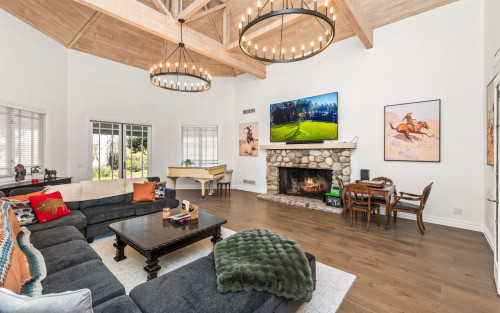
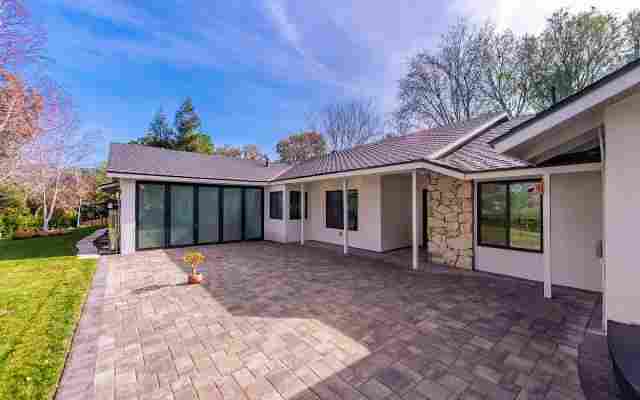
The moment clients arrive at Grata Ranch, they feel welcomed into the home of a dear friend who understands what they need to heal. Residential addiction treatment combines evidence-based and holistic methods in a program designed around each person. Up to 5 clients at a time settle into a sophisticated home on 22 picturesque acres, where they shift their focus from what’s missing to what’s present, from what’s broken to what’s possible.
Make Healing an Experience, Not a Process
Grata Ranch blends modern, evidence-based care with holistic healing to address substance use, co-occurring mental health conditions, and the wider impact of addiction. In twice-weekly sessions with a primary therapist, clients gently uncover root causes, including trauma, while working toward meaningful goals with a case manager. A mix of traditional and alternative treatments—including nutrition, yoga, meditation, sound, and energy work—supports whole-person healing, while creative and experiential therapies reach places conversation cannot.
Experience Modern Luxury and Nature's Tranquility
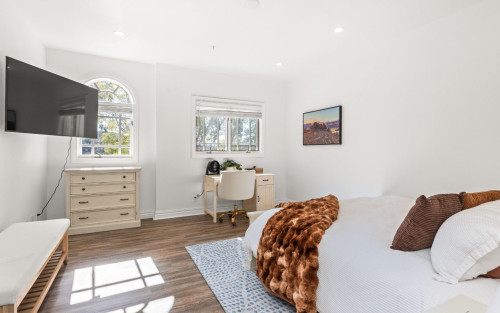
In the rolling hills of Ventura County, Grata Ranch’s expansive property evokes the charm of the Italian countryside. Rescue animals roam, organic gardens flourish, and recovery unfolds with nature’s rhythms. Each client stays in private accommodations that feel like the guest room of a dear friend’s country home. The community gathers around the table, sharing both farm-to-table meals and stories. Outdoors, clients enjoy walks through sun-dappled orange and avocado groves, yoga and sound baths on a deck overlooking the valley, and dips in the pool, hot tub, and cold plunge.
Create a Plan for Success Back Home
Before discharge, the team helps each client map out their first year of recovery in a personalized aftercare plan. Grata provides weekly follow-ups for a month, then monthly as needed. Plans also include setting up care back home, connecting with community support, and engaging in the alumni network.
Highlights from the Center
Highlights
These highlights are provided by and paid for by the center.
Therapeutic Location
Wellness Emphasis
Pool
Certified Professionals
Center Overview
Treatment Focus
This center treats substance use disorders and co-occurring mental health conditions. Your treatment plan addresses each condition at once with personalized, compassionate care for comprehensive healing.
Joint Commission Accredited
The Joint Commission accreditation is a voluntary, objective process that evaluates and accredits healthcare organizations (like treatment centers) based on performance standards designed to improve quality and safety for patients. To be accredited means the treatment center has been found to meet the Commission's standards for quality and safety in patient care.
Supportive Medication for Recovery
Medication-Assisted Treatment (MAT) is an evidence-based approach that pairs FDA-approved medications with counseling to treat addiction. The medications are used to reduce cravings, ease withdrawal symptoms, or block the effects of substances. More about MAT
Methadone
Naltrexone
Buprenorphine
This center accepts patients receiving MAT prescribed elsewhere for opioid use disorder, but does not provide MAT.
Note: Treatment centers offer different forms of MAT—such as oral tablets, dissolvable films, or monthly injections—and their policies can vary based on state regulations, provider preferences, and insurance coverage. Because of these differences, it's best to contact the center directly to learn what options are available and what might be right for your situation.
Insurance Accepted

Cash Pay Rates
Estimated Cash Pay Rate
Center pricing can vary based on program and length of stay. Contact the center for more information. Recovery.com strives for price transparency so you can make an informed decision.
Luxury rehab centers offer a unique blend of luxurious amenities and high-quality treatment. From private suites to gourmet dining, personal trainers to spa treatments, these facilities provide a high level of comfort and discretion.
Top 50 Rehabs in the World
Meet Your Care Team

Reuben Vaisman-Tzachor
Primary Therapist
Ph.D., FACFEI, DABPS, FAPA, DABCH

Kara Ranes
Primary Therapist
LMFT

Dr. James Luzano
Addiction Psychiatrist

Mike Beychok
Primary Therapist
Psy.D Candidate

Kylie Burton
Clinical Coordinator
Louis Lenard
Author, Addiction Counsellor and Sober Coach

Dr. Louise Stanger
Senior Consultant
LCSW, CDWF, CIP, CILC


Levels of Care
Your Care Options
Specializations
Alcohol
Using alcohol as a coping mechanism, or drinking excessively throughout the week, signals an alcohol use disorder.
Detox
Detox fully and safely removes toxic substances from the body, allowing the next steps in treatment to begin with a clean slate.
Cocaine
Cocaine is a stimulant with euphoric effects. Agitation, muscle ticks, psychosis, and heart issues are common symptoms of cocaine abuse.
Executives
Executive treatment programs typically directly support the needs of people who manage businesses and may provide flexible schedules and office space to allow work during treatment.
Holistic
A non-medicinal, wellness-focused approach that aims to align the mind, body, and spirit for deep and lasting healing.
Medication-Assisted Treatment
Combined with behavioral therapy, prescribed medications can enhance treatment by relieving withdrawal symptoms and focus patients on their recovery.
Professionals
Busy, high-ranking professionals get the personalized treatment they need with greater accommodations for work, privacy, and outside communication.
Wellness
Wellness philosophies focus on the physical, mental, and spiritual wellness of each patient, helping them restore purpose with natural remedies.
Who We Treat
Executives
Executive treatment programs typically directly support the needs of people who manage businesses and may provide flexible schedules and office space to allow work during treatment.
Men and Women
Men and women attend treatment for addiction in a co-ed setting, going to therapy groups together to share experiences, struggles, and successes.
Professionals
Busy, high-ranking professionals get the personalized treatment they need with greater accommodations for work, privacy, and outside communication.
Approaches
Experiential
Expressive tools and therapies help patients process past situations, learn more about themselves, and find healing through action.
Holistic
A non-medicinal, wellness-focused approach that aims to align the mind, body, and spirit for deep and lasting healing.
Personalized Treatment
The specific needs, histories, and conditions of individual patients receive personalized, highly relevant care throughout their recovery journey.
Wellness
Wellness philosophies focus on the physical, mental, and spiritual wellness of each patient, helping them restore purpose with natural remedies.
Therapies
1-on-1 Counseling
Patient and therapist meet 1-on-1 to work through difficult emotions and behavioral challenges in a personal, private setting.
Adventure Therapy
This experiential approach uses the physical and emotional challenges of outdoor activities as tools for personal growth.
Art Therapy
Visual art invites patients to examine the emotions within their work, focusing on the process of creativity and its gentle therapeutic power.
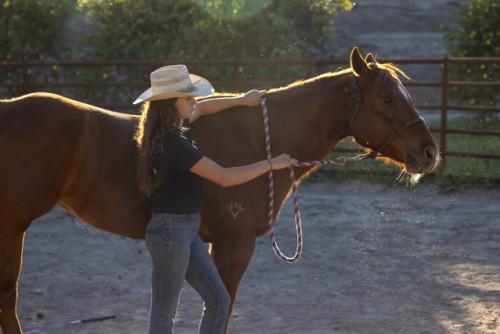
Equine Therapy
Guided interactions with trained horses, their handler, and a therapist can help patients improve their self-esteem, trust, empathy, and social skills.
Experiential Therapy
With this approach, patients heal by doing. Therapists help patients process difficult emotions to speak, using guided activities like art or dance.
Family Therapy
Family therapy addresses group dynamics within a family system, with a focus on improving communication and interrupting unhealthy relationship patterns.
Massage Therapy
Massage therapy relieves physical and emotional tension, reduces pain, promotes relaxation, and improves emotion regulation.
Languages
Conditions We Treat
ADHD, ADD
ADHD is a common mental health condition caused by dopamine imbalance. Common symptoms include inattention, hyperactivitiy, and impulsivity.
Anxiety
Anxiety is a common mental health condition that can include excessive worry, panic attacks, physical tension, and increased blood pressure.
Chemsex
Also called Party 'n' Play (PnP), chemsex refers to using drugs, like methamphetamine, to enhance sexual activity.
Chronic Pain Management
Long-term physical pain can have an affect on mental health. Without support, it can also impact your daily life and even lead to addiction.
Depression
Symptoms of depression may include fatigue, a sense of numbness, and loss of interest in activities. This condition can range from mild to severe.
Grief and Loss
Grief is a natural reaction to loss, but severe grief can interfere with your ability to function. You can get treatment for this condition.
Post Traumatic Stress Disorder
PTSD is a long-term mental health issue caused by a disturbing event or events. Symptoms include anxiety, dissociation, flashbacks, and intrusive thoughts.
Trauma
Some traumatic events are so disturbing that they cause long-term mental health problems. Those ongoing issues can also be referred to as "trauma."
Substances We Treat
Alcohol
Using alcohol as a coping mechanism, or drinking excessively throughout the week, signals an alcohol use disorder.
Benzodiazepines
Benzodiazepines are prescribed to treat anxiety and sleep issues. They are highly habit forming, and their abuse can cause mood changes and poor judgement.
Chronic Relapse
Consistent relapse occurs repeatedly, after partial recovery from addiction. This condition requires long-term treatment.
Co-Occurring Disorders
A person with multiple mental health diagnoses, such as addiction and depression, has co-occurring disorders also called dual diagnosis.
Cocaine
Cocaine is a stimulant with euphoric effects. Agitation, muscle ticks, psychosis, and heart issues are common symptoms of cocaine abuse.
Drug Addiction
Drug addiction is the excessive and repetitive use of substances, despite harmful consequences to a person's life, health, and relationships.
Ecstasy
Ecstasy is a stimulant that causes intense euphoria and heightened awareness. Abuse of this drug can trigger depression, insomnia, and memory problems.
Heroin
Heroin is a highly addictive and illegal opioid. It can cause insomnia, collapsed veins, heart issues, and additional mental health issues.
Aftercare
Care Designed for Your Needs
Personal Amenities
Amenities
Special Considerations
Center Pets
Addiction and mental health facilities with pets allow patients to interact with friendly dogs, cats, horses, and in some cases, even dolphins.
Flexible technology policies
Centers with flexible technology policies allow professionals to stay in touch with work and give patients a greater sense of connection and normalcy.
Activities
Yoga
Yoga is both a physical and spiritual practice. It includes a flow of movement, breathing techniques, and meditation.