Find Treatment By
Rehabs by Location


Learn
About Us
Recovery.com combines independent research with expert guidance on addiction and mental health treatment. Our mission is to help everyone find the best path to recovery through the most comprehensive, helpful network of treatment providers worldwide.
Advisory Council
Our advisory council brings together leaders in behavioral health, technology, and business. Their diverse expertise ensures our resources and product are innovative, evidence-based, and effective. They guide our mission as accomplished individuals dedicated to improving the landscape of addiction recovery and mental wellness.



About Fellowship Hall
At Fellowship Hall, care is designed to meet people where they are and support them all the way through recovery, including medical detox, residential treatment, partial hospitalization (PHP), intensive outpatient (IOP), and even connections to sober living. They treat the full spectrum of substance use and co-occurring challenges with programs that are gender-responsive, recognizing that people often heal best in environments that honor their unique needs.
Build Sobriety with Time-Tested Principles
At Fellowship Hall, the 12-Step, abstinence-based approach is something guests experience every day with real support. Each person meets individually at least twice a week with a dually licensed, master’s-level clinician. This approach gives guests a clear structure to lean on, helping them stay sober, take responsibility for their healing, and build meaningful connections with others. Along the way, they learn how to manage cravings, repair relationships, and find a sense of purpose again.
Reset the Nervous System with Movement and Nature
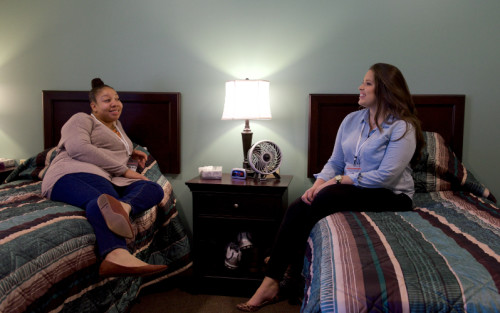
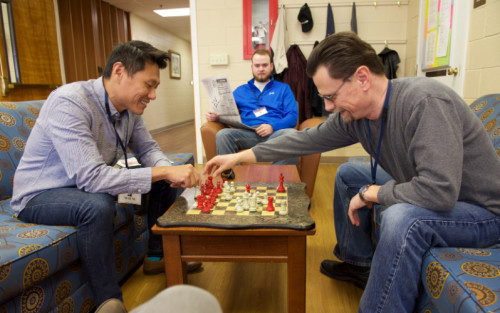
Originally farmland, the property feels secluded, with wooded walking paths. Guests have access to a full gym with workout equipment, basketball and volleyball courts, and games like cornhole, foosball, and ping-pong. Wellness is woven into daily life with yoga offered multiple mornings each week, off-site AA and NA activities, music and art therapy, mindfulness instruction, and guided 12-Step support. Comfortable accommodations add to the sense of ease, with private rooms available for those who prefer extra privacy.
Protect Recovery with Consistent Follow-Up
Every guest leaves with the guidance of a discharge coordinator, ensuring continuity of care and a clear plan for what comes next. From there, alumni are welcomed into a support network that includes monthly alumni meetings, early recovery groups, and ongoing opportunities to stay involved. Whether it’s connecting on the message board in the app, tracking sobriety milestones, or attending the annual conference, Fellowship Hall makes sure no one feels alone.

Highlights from the Center
Co-Occurring Disorders Treatment
Perfect for Professionals
Master's Level Therapists
Addiction Recovery
Center Overview
Insurance Accepted












Recovery.com Verified Listing
Recovery.com verified that the name, location, contact information and license to operate for this treatment provider are valid and up-to-date.
Joint Commission Accredited

NAATP Member

Licensed by North Carolina
Recovery.com is an independent, third-party mental health resource. Verification does not imply endorsement and does not guarantee the quality of treatment services.
Meet Your Care Team

Kelly Scaggs
President/CEO
MHA, LCSW, LCAS, CCS, MAC, ICAADC

Dr. Mike Washo
Medical Director
MD, Board Certification from American Board of Psychiatry and Neurology, Board Certification from American Board of Addiction Medicine
Mysti Billingsley
Director of Nursing
BSN, RN
Christina Tucker
Director of Business Development
LCAS, LCSW
Heather Muñoz Bland
Clinical Director
LCMHC, LCAS, CCS, CCTSI, MAEd
Supportive Medication for Recovery
Medication-Assisted Treatment (MAT) is an evidence-based approach that pairs FDA-approved medications with counseling to treat addiction. The medications are used to reduce cravings, ease withdrawal symptoms, or block the effects of substances. More about MAT
Methadone

Naltrexone
Buprenorphine



Note: Treatment centers offer different forms of MAT—such as oral tablets, dissolvable films, or monthly injections—and their policies can vary based on state regulations, provider preferences, and insurance coverage. Because of these differences, it's best to contact the center directly to learn what options are available and what might be right for your situation.
Your Care Options
Specializations
Who We Treat
Treatment Services
Approaches
Therapies
Languages
Conditions We Treat
Substances We Treat
Aftercare
Care Designed for Your Needs
Personal Amenities
Amenities
Special Considerations
Activities
Off-Site Amenities
Smoking and Vaping Policy
Learn More About the Center
How Professionals can Navigate Stigma
Discover how professionals can move past stigma and access addiction treatment without risking their careers.
What Does Admitting Wrongs Look Like?
Explore how Step 5 deepens honesty, relieves emotional burdens, and strengthens long-term recovery.
The Role of Sponsorship after Treatment
Discover how sponsorship provides accountability, guidance, and connection after treatment ends.
The History of the 12 Steps
Learn how the 12 Steps began and why they remain central today.