This center primarily treats substance use disorders, helping you stabilize, create relapse-prevention plans, and connect to compassionate support.
Outpatient treatment offers flexible therapeutic and medical care without the need to stay overnight in a hospital or inpatient facility. Some centers off intensive outpatient program (IOP), which falls between inpatient care and traditional outpatient service.
This provider hasn't verified their profile's information. Are you the owner of this center? Claim your listing to better manage your presence on Recovery.com.
This center primarily treats substance use disorders, helping you stabilize, create relapse-prevention plans, and connect to compassionate support.
Outpatient treatment offers flexible therapeutic and medical care without the need to stay overnight in a hospital or inpatient facility. Some centers off intensive outpatient program (IOP), which falls between inpatient care and traditional outpatient service.
We accept most commercial insurance, including Molina Complete Care, Optima, and VA Community Care. We also offer self-pay options. For out-of-network plans, call us to discuss coverage.
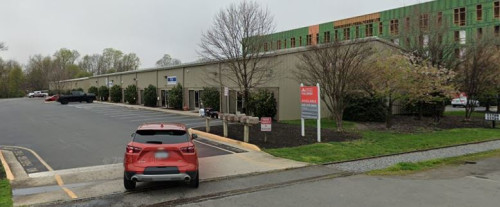
FCCR Fredericksburg provides general outpatient treatment with medication-assisted treatment (MAT) for opioid use disorder. The center serves neighborhoods like Bellvue and Artillery Ridge. Its proximity to the University of Mary Washington and major healthcare employers makes it ideal for residents and working professionals seeking accessible support.
Treatment at the facility includes clinical evaluations, individualized care plans, and both individual and group counseling. Patients can expect supportive therapy, education about substance use, and 12-step integration. Medication-assisted treatment with suboxone or methadone is available, along with specialized programs for professionals, pregnant patients, and a welcoming environment for LGBTQ+ individuals.
The center offers ongoing support through 12-step meetings, alumni groups, and a structured aftercare monitoring program—helping patients stay connected long after treatment ends. Case management services guide each step of the recovery process. Walk-ins are welcome Monday through Friday from 6:30 a.m. to 10:00 a.m., with administrative hours until 2:00 p.m. Telehealth services are available for suboxone patients, providing flexible and consistent access to care.

This center primarily treats substance use disorders, helping you stabilize, create relapse-prevention plans, and connect to compassionate support.
CARF stands for the Commission on Accreditation of Rehabilitation Facilities. It's an independent, non-profit organization that provides accreditation services for a variety of healthcare services. To be accredited means that the program meets their standards for quality, effectiveness, and person-centered care.

Medication-Assisted Treatment (MAT) is an evidence-based approach that pairs FDA-approved medications with counseling to treat addiction. The medications are used to reduce cravings, ease withdrawal symptoms, or block the effects of substances. More about MAT

Dolophine®, Methadose®
Methadone is a full opioid agonist, meaning it activates opioid receptors in the brain to produce effects like pain relief and euphoria. It is longer acting than many other opioids, making it useful in medication-assisted treatment for opioid use disorder.
It reduces withdrawal symptoms and cravings by occupying opioid receptors without causing intense highs. Because it is a full agonist, it must be used carefully to avoid overdose, but it is highly effective when taken as prescribed within a structured program.

Vivitrol®, Revia®
Naltrexone is an opioid antagonist, meaning it blocks opioid receptors in the brain and prevents opioids from producing effects like euphoria or sedation. It is used to treat both opioid and alcohol use disorders, but does not cause physical dependence or withdrawal.
It helps reduce cravings and the rewarding effects of opioids or alcohol, supporting long-term recovery. Because it blocks opioid effects, it should only be started after a person has fully detoxed from opioids to avoid triggering withdrawal.

Suboxone®, Subutex®, Sublocade®, Zubsolv®
Buprenorphine is a partial opioid agonist used to treat opioid use disorder. It activates opioid receptors to reduce cravings and withdrawal but has a ceiling effect, meaning it produces less euphoria and respiratory depression than full opioids.
Buprenorphine binds tightly to opioid receptors, blocking other opioids from attaching and reducing the risk of misuse. It's often combined with naloxone (as in Suboxone®) to discourage injection misuse and is available in daily or monthly forms.