This provider's information has been quality-checked by Recovery.com's Research Team for accuracy and completeness, including center verification through appropriate third-party organizations.
This center treats substance use disorders and co-occurring mental health conditions. Your treatment plan addresses each condition at once with personalized, compassionate care for comprehensive healing.
Offering intensive care with 24/7 monitoring, residential treatment is typically 30 days and can cover multiple levels of care. Length can range from 14 to 90 days typically.
This center treats substance use disorders and co-occurring mental health conditions. Your treatment plan addresses each condition at once with personalized, compassionate care for comprehensive healing.
Offering intensive care with 24/7 monitoring, residential treatment is typically 30 days and can cover multiple levels of care. Length can range from 14 to 90 days typically.
The experts at East Coast Recovery are happy to verify your insurance for you - at no cost. We accept most major Insurance which can cover the cost of treatment.
East-Coast Recovery provides residential and outpatient treatment for addiction and dual-diagnoses. Their outpatient programs include residential care, intensive outpatient programs (IOP) and partial hospitalization programs (PHP), or day treatment. They use trauma-informed and personalized care to help each client find and maintain sobriety. East-Coast Recovery offers medication-assisted treatment as needed, and an aftercare program for alumni. Each program begins with a thorough medical assessment and learning clients’ medical histories.
In East-Coast Recovery’s IOP program, clients attend treatment for 3-4 days a week. East-Coast Recovery provides cognitive behavioral therapy (CBT), dialectical behavioral therapy (DBT), trauma therapy, interpersonal therapy, and experiential therapies for clients in the program. Their IOP treatment also teaches life skills, ways to find and keep a good job, social skills and relationship skills, and addresses the cause(s) of addiction. Their experiential therapies include yoga, guided meditation, breathwork, and adventure therapy.
East-Coast Recovery’s PHP (or day treatment) program welcomes clients for 5 days a week. Therapies like CBT and DBT address addiction and mental health conditions, and help clients identify what might have caused their addiction. East-Coast Recovery leads educational sessions for clients and their families, helping them learn more about addiction, recovery, and managing triggers. East-Coast Recovery also provides on-site AA (Alcoholics Anonymous) meetings for clients in residential treatment, IOP, PHP, or aftercare program.
East-Coast Recovery provides pick-up services for clients who need a ride to their center. They invite family members into treatment too, with family counseling sessions available for clients and their loved ones. After treatment, clients can regularly meet with other alumni and receive further counseling from therapists at East-Coast Recovery.

These highlights are provided by and paid for by the center.
Therapeutic Location
Customized Treatment Plans
Trauma-Informed Care
Private Rooms Available
This center treats substance use disorders and co-occurring mental health conditions. Your treatment plan addresses each condition at once with personalized, compassionate care for comprehensive healing.
The Joint Commission accreditation is a voluntary, objective process that evaluates and accredits healthcare organizations (like treatment centers) based on performance standards designed to improve quality and safety for patients. To be accredited means the treatment center has been found to meet the Commission's standards for quality and safety in patient care.

Center pricing can vary based on program and length of stay. Contact the center for more information. Recovery.com strives for price transparency so you can make an informed decision.


Recovery.com Verified Listing
Recovery.com verified that the name, location, contact information and license to operate for this treatment provider are valid and up-to-date.

License
The Joint Commission Accreditation
Recovery.com is an independent, third-party mental health resource. Verification does not imply endorsement and does not guarantee the quality of treatment services.

Tom Meade
Owner

Brian Galvin
Owner

Allison Gates
Primary Therapist
LMHC

Megan Berube
Clinical Director
LICSW

Gene Valentine
Group Facilitator

Dan Forrest
Director of Housing

Dave Forrest
Behavioral Health Tech

Kristen Esson
LPN, LADC ll, NCPRSS
Director of Community Health and Public Relations

Angie Clem
Case Manager

Hank Brawley
Group Facilitator
LADC ll
Medication-Assisted Treatment (MAT) is an evidence-based approach that pairs FDA-approved medications with counseling to treat addiction. The medications are used to reduce cravings, ease withdrawal symptoms, or block the effects of substances. More about MAT

Dolophine®, Methadose®
Methadone is a full opioid agonist, meaning it activates opioid receptors in the brain to produce effects like pain relief and euphoria. It is longer acting than many other opioids, making it useful in medication-assisted treatment for opioid use disorder.
It reduces withdrawal symptoms and cravings by occupying opioid receptors without causing intense highs. Because it is a full agonist, it must be used carefully to avoid overdose, but it is highly effective when taken as prescribed within a structured program.

Vivitrol®, Revia®
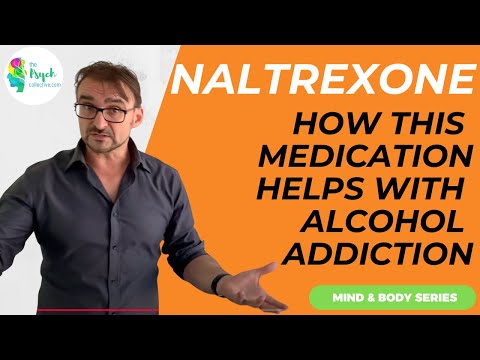
Naltrexone is an opioid antagonist, meaning it blocks opioid receptors in the brain and prevents opioids from producing effects like euphoria or sedation. It is used to treat both opioid and alcohol use disorders, but does not cause physical dependence or withdrawal.
It helps reduce cravings and the rewarding effects of opioids or alcohol, supporting long-term recovery. Because it blocks opioid effects, it should only be started after a person has fully detoxed from opioids to avoid triggering withdrawal.

Suboxone®, Subutex®, Sublocade®, Zubsolv®
Buprenorphine is a partial opioid agonist used to treat opioid use disorder. It activates opioid receptors to reduce cravings and withdrawal but has a ceiling effect, meaning it produces less euphoria and respiratory depression than full opioids.
Buprenorphine binds tightly to opioid receptors, blocking other opioids from attaching and reducing the risk of misuse. It's often combined with naloxone (as in Suboxone®) to discourage injection misuse and is available in daily or monthly forms.
This center accepts patients receiving MAT prescribed elsewhere for opioid use disorder, but does not provide MAT.
Note: Treatment centers offer different forms of MAT—such as oral tablets, dissolvable films, or monthly injections—and their policies can vary based on state regulations, provider preferences, and insurance coverage. Because of these differences, it's best to contact the center directly to learn what options are available and what might be right for your situation.
Using alcohol as a coping mechanism, or drinking excessively throughout the week, signals an alcohol use disorder.
Detox fully and safely removes toxic substances from the body, allowing the next steps in treatment to begin with a clean slate.
Benzodiazepines are prescribed to treat anxiety and sleep issues. They are highly habit forming, and their abuse can cause mood changes and poor judgement.
A person with multiple mental health diagnoses, such as addiction and depression, has co-occurring disorders also called dual diagnosis.
Cocaine is a stimulant with euphoric effects. Agitation, muscle ticks, psychosis, and heart issues are common symptoms of cocaine abuse.
In an IOP, patients live at home or a sober living, but attend treatment typically 9-15 hours a week. Most programs include talk therapy, support groups, and other methods.
Opioids produce pain-relief and euphoria, which can lead to addiction. This class of drugs includes prescribed medication and the illegal drug heroin.
During outpatient rehab, patients attend a structured treatment program while continuing to live at home.
Executive treatment programs typically directly support the needs of people who manage businesses and may provide flexible schedules and office space to allow work during treatment.
Men and women attend treatment for addiction in a co-ed setting, going to therapy groups together to share experiences, struggles, and successes.
Busy, high-ranking professionals get the personalized treatment they need with greater accommodations for work, privacy, and outside communication.
In a PHP, patients live at home but follow an intensive schedule of treatment. Most programs require you to be on-site for about 40 hours per week.
In an IOP, patients live at home or a sober living, but attend treatment typically 9-15 hours a week. Most programs include talk therapy, support groups, and other methods.
During outpatient rehab, patients attend a structured treatment program while continuing to live at home.
In a residential rehab program, patients live onsite, with access to daily treatment and 24-hour care. An average stay is 30-90 days.
These structured living environments help people transition out of rehab. Residents have more freedom than they do during rehab, but still follow certain rules.
The provider accepts patients with prescribed medications for addiction treatment, also known as Medication-Assisted Treatment (MAT), for opioid use.
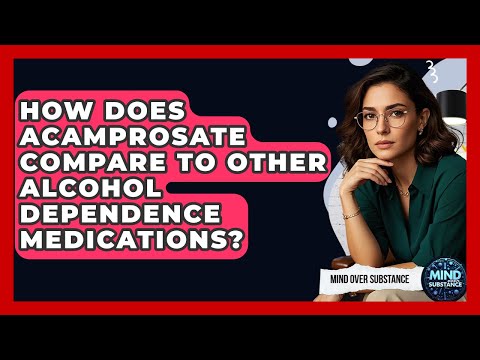
The provider accepts patients with prescribed medications for addiction treatment, also known as Medication-Assisted Treatment (MAT), for alcohol use.
The provider prescribes medications for addiction treatment, also known as Medication-Assisted Treatment (MAT), for opioid use.
A combination of scientifically rooted therapies and treatments make up evidence-based care, defined by their measured and proven results.
Individual care meets the needs of each patient, using personalized treatment to provide them the most relevant care and greatest chance of success.
Incorporating spirituality, community, and responsibility, 12-Step philosophies prioritize the guidance of a Higher Power and a continuation of 12-Step practices.
Patient and therapist meet 1-on-1 to work through difficult emotions and behavioral challenges in a personal, private setting.
A practiced state of mind that brings patients to the present. It allows them to become fully aware of themselves, their feelings, and the present moment.
This approach is commonly used with children. It incorporates elements of play and self-expression, like boardgames, finger painting, dolls, and blocks.
This experiential approach uses the physical and emotional challenges of outdoor activities as tools for personal growth.
Animals can inspire trust and self-worth. In this experiential therapy, guided interactions are used to improve social skills and emotion regulation.
Visual art invites patients to examine the emotions within their work, focusing on the process of creativity and its gentle therapeutic power.
With this approach, patients heal by doing. Therapists help patients process difficult emotions to speak, using guided activities like art or dance.
Creative processes like art, writing, or dance use inner creative desires to help boost confidence, emotional growth, and initiate change.
Personality disorders destabilize the way a person thinks, feels, and behaves. If untreated, they can undermine relationships and lead to severe distress.
ADHD is a common mental health condition caused by dopamine imbalance. Common symptoms include inattention, hyperactivitiy, and impulsivity.
Anxiety is a common mental health condition that can include excessive worry, panic attacks, physical tension, and increased blood pressure.
This mental health condition is characterized by extreme mood swings between depression, mania, and remission.
Symptoms of depression may include fatigue, a sense of numbness, and loss of interest in activities. This condition can range from mild to severe.
PTSD is a long-term mental health issue caused by a disturbing event or events. Symptoms include anxiety, dissociation, flashbacks, and intrusive thoughts.
Some traumatic events are so disturbing that they cause long-term mental health problems. Those ongoing issues can also be referred to as "trauma."
Using alcohol as a coping mechanism, or drinking excessively throughout the week, signals an alcohol use disorder.
Benzodiazepines are prescribed to treat anxiety and sleep issues. They are highly habit forming, and their abuse can cause mood changes and poor judgement.
A person with multiple mental health diagnoses, such as addiction and depression, has co-occurring disorders also called dual diagnosis.
Cocaine is a stimulant with euphoric effects. Agitation, muscle ticks, psychosis, and heart issues are common symptoms of cocaine abuse.
Drug addiction is the excessive and repetitive use of substances, despite harmful consequences to a person's life, health, and relationships.
Heroin is a highly addictive and illegal opioid. It can cause insomnia, collapsed veins, heart issues, and additional mental health issues.
Methamphetamine, or meth, increases energy, agitation, and paranoia. Long-term use can result in severe physical and mental health issues.
Opioids produce pain-relief and euphoria, which can lead to addiction. This class of drugs includes prescribed medication and the illegal drug heroin.
More About East-Coast Recovery
Read more about the mission at East-Coast Recovery.
Take a Photo Tour
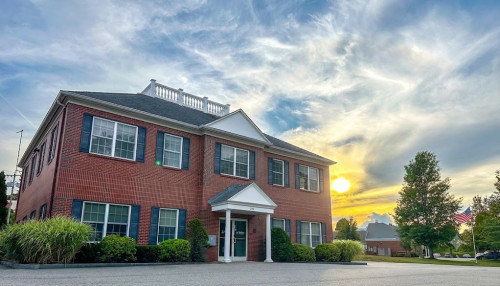
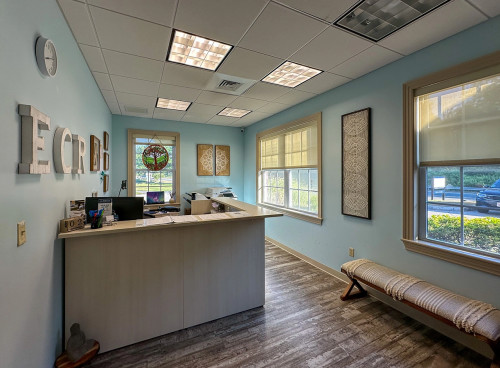
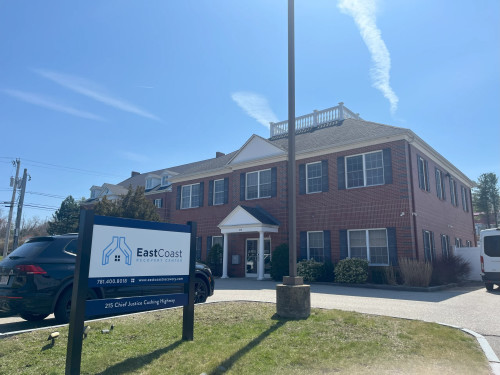
See more pictures of East-Coast Recovery, inside and outside.
Client Testimonials
Read what alumni say about treatment, and the experience, at East-Coast Recovery.
10 Benefits of PHP
Discover 10 benefits of PHP, including peer support, independence, and structured treatment.