Find Treatment By
Rehabs by Location


Learn
About Us
Recovery.com combines independent research with expert guidance on addiction and mental health treatment. Our mission is to help everyone find the best path to recovery through the most comprehensive, helpful network of treatment providers worldwide.
Advisory Council
Our advisory council brings together leaders in behavioral health, technology, and business. Their diverse expertise ensures our resources and product are innovative, evidence-based, and effective. They guide our mission as accomplished individuals dedicated to improving the landscape of addiction recovery and mental wellness.
How Cocaine Is Made and Its Dangers



Cocaine has long been glamorized in movies, television, and music, however there is nothing glamorous about this drug. In fact, the continued use of cocaine can lead to serious problems, including tolerance, dependence, and eventual addiction.
This article will talk more about cocaine by shining a light on how dangerous and potentially deadly the use of it can be. Read on to learn more about production, distribution, and those in the cocaine trade, as well as the devastating effects and impacts the continued use of this substance can include.
What Is Cocaine?
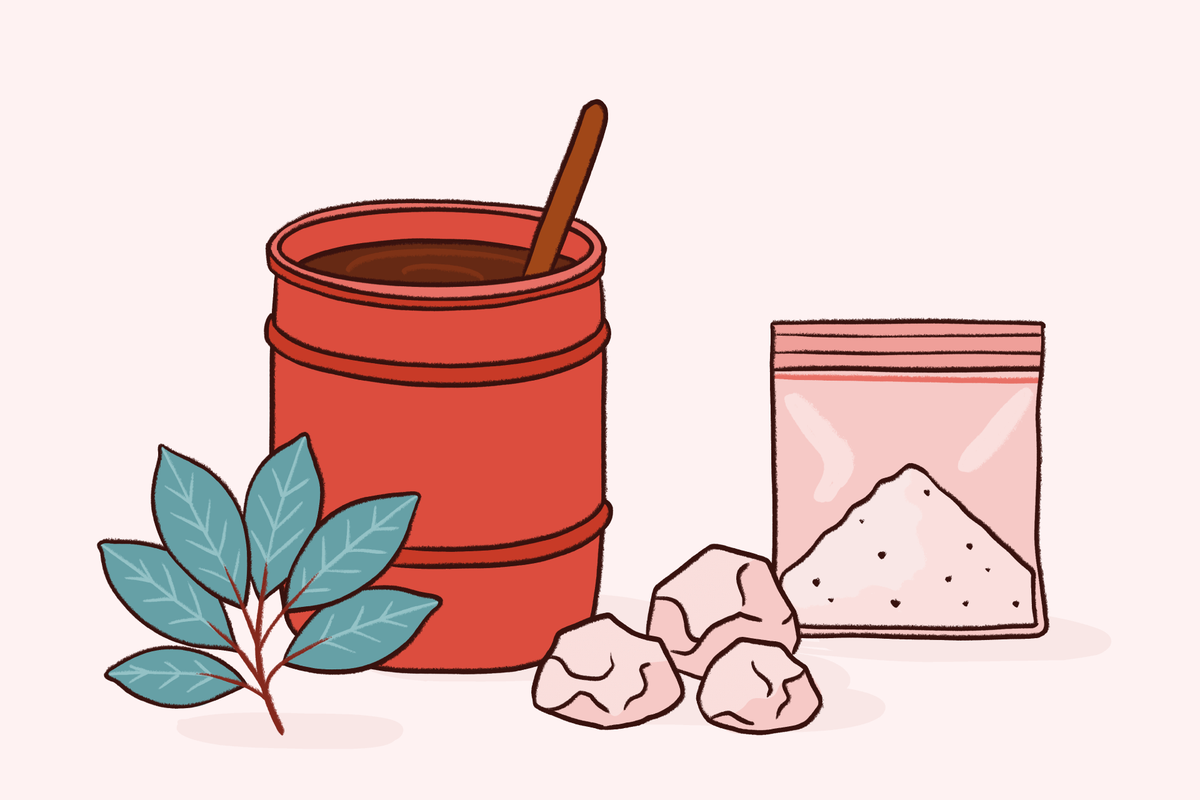
Also known by street names such as coke, blow, or snow, cocaine is cocaine is produced from the leaves of the coca plant, which are processed through several steps of chemical extraction and refinement into its powdered form.1
Cocaine is a highly addictive stimulant drug commonly found in the form of a white, granular powder.1 People often use cocaine by snorting or injecting it, though it can also be rubbed on the gums or swallowed.1 Crack cocaine, a free base rock or crystalline form of the drug, is most commonly heated and smoked.
Regardless of form, however, cocaine’s addictive qualities can cause people to use it repeatedly, which, over time, can cause changes to several brain processes—including those involved with reward and stress response—in ways that further reinforce repeated use of the drug.2
Find The Perfect Treatment For You
Answer a few questions and we'll match you with the best options.
What Are You Struggling With?
What Kind of Care Do You Need?
What Insurance Do You Have?
Effects of Cocaine
Cocaine can produce both short and long-term effects when used. These effects can vary depending on factors such as method of administration, how frequently it is being used, and in what amount.2 However, some common immediate effects of cocaine use can include:2
- Euphoria.
- Talkativeness.
- Increased alertness.
- Dilated pupils.
- Constricted blood vessels.
- Rapid heartbeat.
- Increased blood pressure.
- Raised body temperature.
Explore Cocaine Treatment Centers
Where Does Cocaine Come From?
Historically, much of the cocaine supply that reaches America comes from Colombia and is illegally trafficked across the US-Mexico border and through legal ports of entry.2 Cocaine is also trafficked into the U.S. from Bolivia and Peru, two other countries where cocaine is also mass produced.3
According to the United Nations, production of cocaine in Colombia increased by 53 percent in 2023, marking the 10th year in a row where Colombia has seen a rise in cocaine production.4 Additionally, the cultivation of the coca plant in Colombia increased by 10 percent in same year, taking up a whopping 253,000 hectares (or 625,176 acres) of land.4
In these countries, cocaine is extracted and processed from coca plants, which thrive in the natural environment along the ridges of the Andes mountains in South America and in lowland jungles.3
Although Colombia is the world’s largest cocaine producer, it often must harvest significantly more coca leaf material to produce similar amounts of cocaine as Bolivia or Peru, where coca plants tend to contain higher cocaine alkaloid concentrations.4,5
Coca plants are grown, refined, and processed locally, often in protected sites such as native reserves, national parks, and areas along the border, which are off-limits to aerial spraying efforts to kill the crops.4,5














What Is Cocaine Made Of?
Out of over 200 plant species, there are only two types of coca leaf that contain enough cocaine alkaloid for cocaine production.6 Generally, coca leaves can be harvested three to six times a year.3 However, in some areas, the coca leaf can be harvested up to eight times a year, depending on where the plant grows and the specific species.6
How Is Cocaine Produced?
Generally speaking, all cocaine is manufactured similarly. However, there are often variations in the types of chemicals used to produce it, such as acids, solvents, oxidants, and reducing and drying agents.4
The process of producing cocaine begins by harvesting the leaves of the coca plant and then soaking them in various chemicals to extract the cocaine base.6 The extracted base is then drained, dried, and mixed with additional chemicals and soaked to extract all alkaloids.6 Once completed, the base is in paste-like form, so it is drained, heated, and pressed into brick-like shapes to be sent out for distribution.6
For decades, federal regulations throughout the U.S. and Europe have been in effect to target the movement and utilization of these and other chemicals commonly used in the mass production of cocaine.
Crack Cocaine Process
Powdered cocaine can be further processed into crack by first mixing it into a solution of chemicals, then heating that mixture to create a substance that forms rocks for smoking.7 Other substances can be mixed into a heated liquid cocaine solution that then settles to the bottom as a solid.
How Is Cocaine Distributed?
Once cocaine is processed, distribution occurs. Distribution is a highly complex, ever-changing operation that involves a variety of different people, multiple shipment methods, supplies and equipment, and so on. The majority of cocaine ends up in the United States, though some of it is sent to Europe, Australia, Africa, and Asia.
Cocaine is typically moved out of Colombia and into the United States as follows:6
- Cocaine farmers sell the coca leaves or paste to local illicit laboratories.
- Operators of the lab (usually farmers or criminal trafficking groups) refine the drug into cocaine.
- The cocaine is then sold to local trafficking organizations who transport and sell it to a transnational drug trafficking organization such as a cartel.
- The cartel then contracts another group to ship the cocaine to traffickers in Mexico.
- Mexican traffickers smuggle the cocaine into the United States, typically by land.
Once the cocaine has reached the United States, Mexican traffickers sell it to American wholesale dealers.
From there, the process of distribution typically goes as follows:6
- Wholesale dealers sell it to mid-level drug dealers
- Mid-level drug dealers sell to low-level drug dealers
- Low-level drug dealers sell to consumers
Cocaine dealers often employ several individuals to play roles during the distribution. These include holders, transporters (also called mules), delivery people, counters of cash and incoming drugs, lookouts, backup personnel, and enforcers of debt payments.
What Is Cocaine Cut With?
Along the supply chain, cocaine is often cut with adulterants to reduce its purity and create a larger profit margin.4 Common cutting agents include amphetamines, baking sugars, caffeine, acetaminophen, cornstarch, flour, talcum powder, and certain anesthetics.2,7
Who Controls the Cocaine Trade?
The major countries in the cocaine trade include those where coca plants are grown and processed, such as Colombia, Bolivia and Peru. Countries that transport cocaine across national lines, such as Mexico or Caribbean countries including Haiti, the Bahamas, and the Dominican Republic, are also big players.
Colombian trafficking groups, such as the Revolutionary Armed Forces of Colombia (FARC), and ELN (National Liberation Army) guerilla groups, armed revolutionary gangs and rural bands of guerillas purchase coca leaves or coca paste from local farmers, process the product and negotiate transportation into other countries.
Mexican drug cartels, such as the Guadalajara Cartel, often transport cocaine from South America into the United States and other countries and are distributors rather than suppliers.
Mexican cartels formerly operated as junior partners for the Colombian cartels. But crackdowns on the Caribbean route and on Colombian cartels led to Mexican cartels playing a larger role in trafficking cocaine to North America. As a result, they began to collect more of the profits from the cocaine trade.
Mexican cartels also operate labs in Central and South America to process coca leaves into cocaine. They have expanded their cocaine distribution efforts to Africa, Asia, Australia and Europe.
Cocaine Addiction Treatment
If you or a loved one is struggling with a cocaine use disorder, getting help is an important start to your recovery journey. There are many cocaine addiction treatment options that may be effective for people struggling with cocaine misuse, including the following:
- Inpatient treatment programs for drug or alcohol addiction require the person to live in the treatment facility and receive 24/7 care and support. This may include various types of individual and group therapy, detox, treatment for co-occurring mental health conditions, amenities, and aftercare programs. The program may be 28 or 30 days, 60 days or 90 days long,or longer, as needed. Depending on the level of care determined by a clinician, a person may also need medically managed inpatient services, which offer 24-hour nursing care and physician care for the most acute instances of cocaine addiction and co-occurring medical or mental health conditions.
- Outpatient treatment programs can include many of the same therapeutic offerings and services as inpatient treatment but do not require people to stay in the facility. This allows people to continue working and/or going to school while they actively pursue recovery.
- 12-Step programs involve attending support groups that provide peer support to people as they recover from substance use disorders and other compulsive behaviors. They can help people address behavioral struggles and common triggers associated with their addiction while gaining valuable tools to take on their recovery journey.
Start Your Recovery Journey
If you’re ready to find addiction treatment for yourself or a loved one, we’re here to help. Browse top medical detox centers in the US, inpatient addiction treatment facilities, aftercare options, and more to start on the path to recovery. You can search for rehab by insurance carrier, location, amenities, and more for free.
Don’t wait. Get help today.
FAQs
Short-term use of cocaine can cause a rapid increase in heart rate, blood pressure, body temperature, and body stress — which can trigger serious consequences like heart attack, stroke, seizure, irregular heartbeat, or even sudden death.
Cocaine dramatically raises levels of dopamine (a “feel-good” chemical) in the brain, producing intense euphoria and energy. Over time, the brain adapts and natural dopamine activity is suppressed, which can lead to tolerance (needing more cocaine for the same effect) and compulsive use, greatly increasing risk of addiction.
Chronic cocaine use can seriously damage the cardiovascular system, increasing risks of heart attack, irregular heart rhythms, heart disease, and sudden cardiac arrest. It also raises chances of strokes, seizures, severe gastrointestinal issues, and liver, kidney, and other organ damage.
Yes. Methods like injecting or smoking produce a quicker, stronger high, but also carry higher risks of overdose, addiction, and damage. For example, snorting cocaine over time can damage nasal passages, sinuses, and even lead to severe tissue damage (including destruction of nasal cartilage and palate).
Long-term cocaine use can disrupt the brain’s reward system, which may reinforce compulsive drug seeking and increase the risk of addiction. Over time, cocaine exposure may also alter other brain pathways involved in stress, motivation, learning, and decision-making. These changes have been associated with problems such as anxiety, depression, irritability, poor impulse control, difficulty adapting to consequences, and impaired judgment. In some cases, chronic use may also contribute to memory, attention, and emotional regulation difficulties that can persist after stopping use.2




Our Promise
How Is Recovery.com Different?
We believe everyone deserves access to accurate, unbiased information about mental health and recovery. That's why we have a comprehensive set of treatment providers and don't charge for inclusion. Any center that meets our criteria can list for free. We do not and have never accepted fees for referring someone to a particular center. Providers who advertise with us must be verified by our Research Team and we clearly mark their status as advertisers.
Our goal is to help you choose the best path for your recovery. That begins with information you can trust.