Find Treatment By
Rehabs by Location


Find Treatment By
Learn
About Us
Recovery.com combines independent research with expert guidance on addiction and mental health treatment. Our mission is to help everyone find the best path to recovery through the most comprehensive, helpful network of treatment providers worldwide.
Advisory Council
Our advisory council brings together leaders in behavioral health, technology, and business. Their diverse expertise ensures our resources and product are innovative, evidence-based, and effective. They guide our mission as accomplished individuals dedicated to improving the landscape of addiction recovery and mental wellness.

BRC Recovery
Treatment Focus
This center treats substance use disorders and co-occurring mental health conditions. Your treatment plan addresses each condition at once with personalized, compassionate care for comprehensive healing.
Primary Level of Care
Offering intensive care with 24/7 monitoring, residential treatment is typically 30 days and can cover multiple levels of care. Length can range from 14 to 90 days typically.
Claimed
Recovery.com has connected directly with this treatment provider to validate the information in their profile.
Treatment Focus
This center treats substance use disorders and co-occurring mental health conditions. Your treatment plan addresses each condition at once with personalized, compassionate care for comprehensive healing.
Primary Level of Care
Offering intensive care with 24/7 monitoring, residential treatment is typically 30 days and can cover multiple levels of care. Length can range from 14 to 90 days typically.
Provider's Policy
We will work with your insurance provider to ensure that all of your coverage is taken into account when making decisions about addiction treatment services.
About BRC Recovery
BRC Recovery specializes in working with clients who are chronic relapsers, dual diagnosis, or treatment-resistant. BRC stands for “Bringing Real Change.” BRC provides gender-specific treatment programs for men and women, first responders, professionals, and law enforcement officials. The program has high levels of structure and discipline with a proven successful track record. BRC Recovery clients participate in their recovery services throughout the entire continuum of care. Treatment can include 12-Step immersion, relapse prevention, spiritual coaching, trauma treatment, life skills, CBT, DBT, EMDR, and individual therapy. As a holistic addiction treatment center, fitness is fundamental to the BRC program. They have a state-of-the-art fitness center, personal trainers, and yoga instructors to help clients not only improve their fitness, but build upon the mind-body connection and achieve mental clarity. Nutrition is also important to BRC, and they provide on-site chefs that prepare daily meals and educate clients through hands-on cooking for post treatment skills.
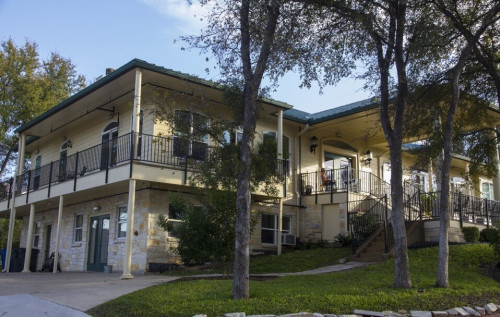
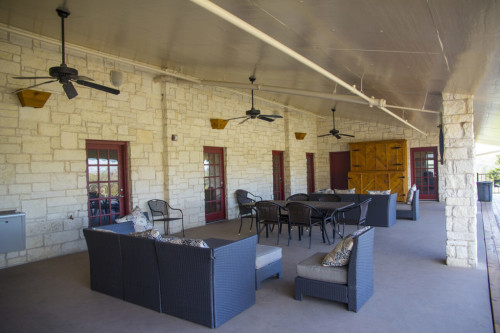
BRC’s campus is surrounded by 70-acres in Manor, Texas. Clients can enjoy comfortable housing with 2 swimming pools, a gourmet kitchen, fitness and yoga studio, a large patio with a fire pit, and mostly organic meals. Recreation opportunities can range from swimming to sports to hiking. BRC has numerous testimonials from others who have gone through the program. Owen states-"This place changed my life. It allowed me to grow up and become a man as well as work through all of the steps. I’ve had the experience of a total transformation in thoughts; attitude and I have hope again after being totally hopeless.” BRC is accredited by the Joint Commission and accepts most private insurance.

Center Overview
Treatment Focus
This center treats substance use disorders and co-occurring mental health conditions. Your treatment plan addresses each condition at once with personalized, compassionate care for comprehensive healing.
Joint Commission Accredited
The Joint Commission accreditation is a voluntary, objective process that evaluates and accredits healthcare organizations (like treatment centers) based on performance standards designed to improve quality and safety for patients. To be accredited means the treatment center has been found to meet the Commission's standards for quality and safety in patient care.
Insurance Accepted



Cash Pay Rates
Estimated Cash Pay Rate
Center pricing can vary based on program and length of stay. Contact the center for more information. Recovery.com strives for price transparency so you can make an informed decision.
Levels of Care


Your Care Options
Specializations
Chronic Relapse
Consistent relapse occurs repeatedly, after partial recovery from addiction. This condition requires long-term treatment.
Wellness
Wellness philosophies focus on the physical, mental, and spiritual wellness of each patient, helping them restore purpose with natural remedies.
Women only
Women attend treatment in a gender-specific facility, with treatment delivered in a safe, nourishing, and supportive environment for greater comfort.
Who We Treat
Approaches
Gender-Specific
Separate treatment for men or women can create strong peer connections and remove barriers related to trauma, shame, and gender-specific nuances.
Holistic
A non-medicinal, wellness-focused approach that aims to align the mind, body, and spirit for deep and lasting healing.
Twelve Step
Incorporating spirituality, community, and responsibility, 12-Step philosophies prioritize the guidance of a Higher Power and a continuation of 12-Step practices.
Therapies
1-on-1 Counseling
Patient and therapist meet 1-on-1 to work through difficult emotions and behavioral challenges in a personal, private setting.
Cognitive Behavioral Therapy
Cognitive Behavioral Therapy helps people identify and change unhelpful thought patterns and behaviors that contribute to emotional distress.
Experiential Therapy
With this approach, patients heal by doing. Therapists help patients process difficult emotions to speak, using guided activities like art or dance.
Eye Movement Therapy (EMDR)
Lateral, guided eye movements help reduce the emotional reactions of retelling and reprocessing trauma, allowing intense feelings to dissipate.
Family Therapy
Family therapy addresses group dynamics within a family system, with a focus on improving communication and interrupting unhealthy relationship patterns.
Group Therapy
Group therapy brings people together in a supportive setting to share experiences, develop skills, and work toward common goals.
Life Skills
Teaching life skills like cooking, cleaning, clear communication, and even basic math provides a strong foundation for continued recovery.
Psychodrama Therapy
Psychodrama therapy uses guided role-playing and dramatic techniques to explore emotions, relationships, and personal experiences.
Relapse Prevention Counseling
Relapse prevention counselors teach patients to recognize the signs of relapse and reduce their risk.
Languages
Conditions We Treat
Anxiety
Anxiety is a common mental health condition that can include excessive worry, panic attacks, physical tension, and increased blood pressure.
Bipolar
This mental health condition is characterized by extreme mood swings between depression, mania, and remission.
Codependency
Codependency is a pattern of emotional dependence and controlling behavior. It's most common among people with addicted loved ones.
Depression
Symptoms of depression may include fatigue, a sense of numbness, and loss of interest in activities. This condition can range from mild to severe.
Personality Disorders
Personality disorders destabilize the way a person thinks, feels, and behaves. If untreated, they can undermine relationships and lead to severe distress.
Post Traumatic Stress Disorder
PTSD is a long-term mental health issue caused by a disturbing event or events. Symptoms include anxiety, dissociation, flashbacks, and intrusive thoughts.
Trauma
Some traumatic events are so disturbing that they cause long-term mental health problems. Those ongoing issues can also be referred to as "trauma."
Substances We Treat
Alcohol
Using alcohol as a coping mechanism, or drinking excessively throughout the week, signals an alcohol use disorder.
Chronic Relapse
Consistent relapse occurs repeatedly, after partial recovery from addiction. This condition requires long-term treatment.
Co-Occurring Disorders
A person with multiple mental health diagnoses, such as addiction and depression, has co-occurring disorders also called dual diagnosis.
Drug Addiction
Drug addiction is the excessive and repetitive use of substances, despite harmful consequences to a person's life, health, and relationships.
Aftercare
Care Designed for Your Needs
Personal Amenities
Amenities
Activities
Yoga
Yoga is both a physical and spiritual practice. It includes a flow of movement, breathing techniques, and meditation.