Banyan Chicago

Verified Center

This provider's information has been quality-checked by Recovery.com's Research Team for accuracy and completeness, including center verification through appropriate third-party organizations.

Substance Use

Treatment Focus

This center treats substance use disorders and co-occurring mental health conditions. Your treatment plan addresses each condition at once with personalized, compassionate care for comprehensive healing.

Outpatient

Primary Level of Care

Outpatient treatment offers flexible therapeutic and medical care without the need to stay overnight in a hospital or inpatient facility. Some centers offer intensive outpatient program (IOP), which falls between inpatient care and traditional outpatient service.

4.2
(111)
Insurance

Provider's Policy

Banyan Treatment Centers offers a free, instant insurance verification. Get real-time estimates on deductibles and coverage so our intake coordinators can quickly help you start your recovery journey at no cost.

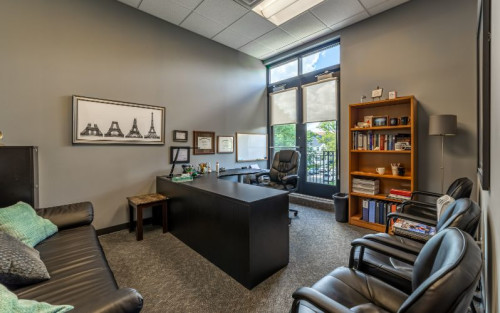
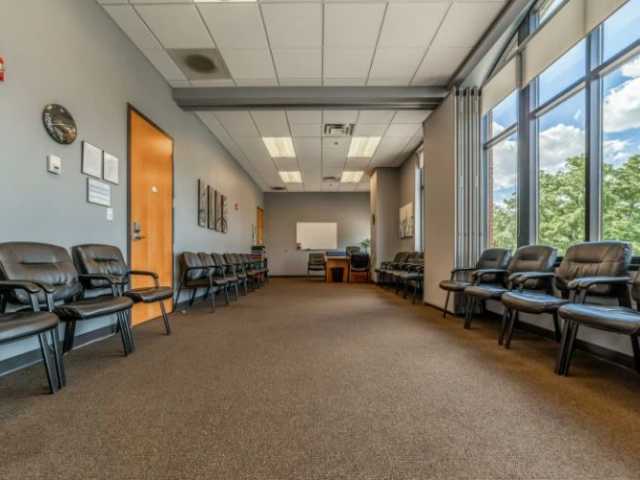
Banyan Chicago provides outpatient treatment for addiction and mental health in a calm, professional setting for people who want clinical support without stepping away from daily life. With day treatment (PHP), intensive outpatient (IOP), outpatient care, and virtual IOP, they offer several ways to begin care and stay engaged over time. This flexibility allows clients to find the level of support that fits their needs while continuing to build stability in daily life.

Develop Skills for Daily Life

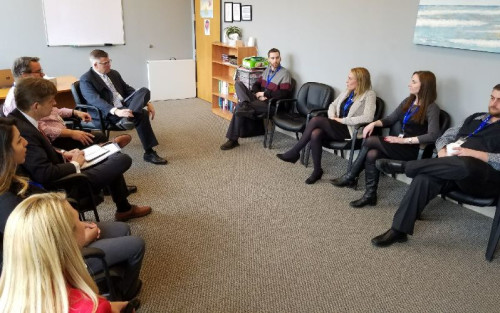
Banyan Chicago treats substance use and mental health with therapy that prepares clients for life outside treatment. Licensed clinicians, master’s-level therapists, and medical leadership provide ongoing clinical guidance through individual, group, and family sessions, with coordinated care and medication management when appropriate. Clients use these therapies to strengthen coping skills, improve daily functioning, and build steadier footing in recovery, with biofeedback offering another way to manage stress and support emotional regulation.

Match Treatment to Changing Needs

Each level of care at Banyan Chicago serves a different purpose in recovery. PHP offers more structure during the day, while IOP and outpatient care give clients more room to apply new skills as they return to daily routines. Telehealth virtual IOP can extend access to treatment for clients balancing work, school, family responsibilities, transportation barriers, or the need for a more flexible starting point.

Stay Involved Beyond Early Treatment

Banyan Chicago emphasizes continued involvement, not just short-term stabilization. Their outpatient programs make it possible for clients to progress through care while practicing coping skills, communication, relapse prevention, and other life skills in daily life. Aftercare planning, alumni support, case management, family therapy, and relapse prevention can all help extend care beyond the first stage of treatment.
Banyan Chicago thumbnail

Highlights from the Center

Highlights

These highlights are provided by and paid for by the center.

  • Perfect for Professionals

  • Certified Professionals

  • Master's Level Therapists

  • Addiction Recovery

AT A GLANCE

Center Overview

Location
2525 Cabot Drive, Suite 300, Lisle, Illinois 60532 View Map
Part of
network
Primary Focus
This center treats substance use disorders and co-occurring mental healt...

Treatment Focus

This center treats substance use disorders and co-occurring mental health conditions. Your treatment plan addresses each condition at once with personalized, compassionate care for comprehensive healing.

Accreditation
Joint Commission

Joint Commission Accredited

The Joint Commission accreditation is a voluntary, objective process that evaluates and accredits healthcare organizations (like treatment centers) based on performance standards designed to improve quality and safety for patients. To be accredited means the treatment center has been found to meet the Commission's standards for quality and safety in patient care.

Typical Program Length
28+ days
Founded in 2013
13 years in business
Occupancy
6-15 beds
Conditions We Treat
Anxiety, Bipolar, Depression, Post Traumatic Stress Disorder +1 More
Substance Use We Treat
Alcohol, Benzodiazepines, Chronic Relapse, Co-Occurring Disorders +10 More
How to pay

Insurance Accepted

Provider's Policy: Banyan Treatment Centers offers a free, instant insurance verification. Get real-time estimates on deductibles and coverage so our intake coordinators can quickly help you start your recovery journey at no cost.
(855) 998-5597
Private Pay Option

Cash Pay Rates

Estimated Cash Pay Rate

Center pricing can vary based on program and length of stay. Contact the center for more information. Recovery.com strives for price transparency so you can make an informed decision.

We don't have pricing information for this center. Please contact the center for more information.
Staff

Meet Your Care Team

Beau Lynch

Beau Lynch

Regional Executive Director

Robyn Singer

Robyn Singer

Family Services

Jessica Gerke

Jessica Gerke

Alumni Services

Natalie Haines

Natalie Haines

Clinical Director

Choose the Support Meeting that Fits
Banyan Chicago’s day treatment program provides 8 hours of daily treatment 5-7 days a week. Clients receive daily group therapies and activities, weekly 1:1 therapy, and comprehensive dual-diagnosis treatment for mental health conditions. They also learn relapse prevention skills and life skills and develop robust coping strategies for their recovery.
Keep Care Flexible with a Virtual IOP
Banyan Chicago offers a virtual IOP for clients who need structured care with more flexibility. Telehealth sessions can be a good fit for people facing transportation barriers, demanding schedules, or discomfort with starting in person, while still providing real clinical support focused on relapse prevention, coping skills, and emotional stability.
Improve Communication and Family Dynamics
Banyan Chicago includes family therapy as part of treatment, giving loved ones a chance to better understand addiction and mental health while improving communication at home. Their programming also emphasizes communication and boundary setting, helping families work through trust, stress, and enabling behaviors while creating healthier patterns that support recovery over time.
Find Treatment that Speaks to Military Life
Banyan offers a Military and Veterans Program for service members and veterans dealing with substance use and co-occurring mental health concerns. The program addresses issues such as deployment stress, transition to civilian life, trauma exposure, chronic pain, anxiety, depression, and PTSD within care built around stability, coping skills, and long-term recovery.
Care Options

Levels of Care

Everyone's recovery journey is unique. Whether it looks like residential rehab for 30 days, an outpatient program, or virtual therapy, you can find a level of care that fits your needs.
Not included
Detox
Not Offered at This Center
Typically the initial stage of treatment for substance use, focusing on medically supervised management of withdrawal symptoms.
Not included
Residential Rehab
Not Offered at This Center
Offering intensive care with 24/7 monitoring, residential substance use treatment is typically 30 days. Length can range from 14 to 90 days.
Not included
Sober Living
Not Offered at This Center
Transitional housing designed to support individuals recovering from substance use disorders offering a safe, supportive and structured environment for practicing long-term sobriety, while reintegrating back into daily living.
Included
Day Treatment
In a PHP, patients live at home but follow an intensive schedule of treatment. Most programs require you to be on-site for about 40 hours per week.
Included
Intensive Outpatient Program
An intensive outpatient program (IOP) falls between inpatient care and traditional outpatient services, with therapy and skills-building activities designed to support recovery and provide flexibility. IOP is ideal for those needing support but not the 24/7 care of a residential facility.
Included
Outpatient
Outpatient treatment offers flexible therapeutic and medical care without the need to stay overnight in a hospital or inpatient facility. Outpatient care typically offers a range of therapies and medical interventions individuals can attend alongside daily life.
Included
Virtual & In-Home Care
The delivery of therapeutic services utilizing technology such as video conferencing, online messaging or phone calls, allowing for flexibility, comfort and increased access to care.
Included
Co-Occurring Mental Health
Treatment for co-occurring mental health disorders, which affect the majority of individuals diagnosed, integrates care for mental health conditions with primary substance use. Personalized care plans are crafted to effectively address each condition simultaneously, optimizing the healing process.
Treatment

Your Care Options

Specializations

Veterans

Veterans

Patients who completed active military duty receive specialized treatment focused on trauma, grief, loss, and finding a new work-life balance.

Cocaine

Cocaine

Cocaine is a stimulant with euphoric effects. Agitation, muscle ticks, psychosis, and heart issues are common symptoms of cocaine use.

Outpatient

Outpatient

During outpatient rehab, patients attend a structured treatment program while continuing to live at home.

Anxiety

Anxiety

Anxiety is a common mental health condition that can include excessive worry, panic attacks, physical tension, and increased blood pressure.

Depression

Depression

Symptoms of depression may include fatigue, a sense of numbness, and loss of interest in activities. This condition can range from mild to severe.

Family Program
Opioids

Opioids

Opioids produce pain-relief and euphoria, which can lead to addiction. This class of drugs includes prescribed medication and the illegal drug heroin.

Alcohol

Alcohol

Using alcohol as a coping mechanism, or drinking excessively throughout the week, signals an alcohol use disorder.

Who We Treat

Men
Women
LGBTQ+

LGBTQ+

Addiction and mental illnesses in the LGBTQ+ community must be treated with an affirming, safe, and relevant approach, which many centers provide.

Men and Women

Men and Women

Men and women attend treatment for addiction in a co-ed setting, going to therapy groups together to share experiences, struggles, and successes.

Veterans

Veterans

Patients who completed active military duty receive specialized treatment focused on trauma, grief, loss, and finding a new work-life balance.

Approaches

Evidence-Based

Evidence-Based

A combination of scientifically rooted therapies and treatments make up evidence-based care, defined by their measured and proven results.

Holistic

Holistic

A non-medicinal, wellness-focused approach that aims to align the mind, body, and spirit for deep and lasting healing.

Personalized Treatment

Personalized Treatment

The specific needs, histories, and conditions of individual patients receive personalized, highly relevant care throughout their recovery journey.

Twelve Step

Twelve Step

Incorporating spirituality, community, and responsibility, 12-Step philosophies prioritize the guidance of a Higher Power and a continuation of 12-Step practices.

Therapies

1-on-1 Counseling

1-on-1 Counseling

Patient and therapist meet 1-on-1 to work through difficult emotions and behavioral challenges in a personal, private setting.

Art Therapy

Art Therapy

Visual art invites patients to examine the emotions within their work, focusing on the process of creativity and its gentle therapeutic power.

Cognitive Behavioral Therapy

Cognitive Behavioral Therapy

Cognitive Behavioral Therapy helps people identify and change unhelpful thought patterns and behaviors that contribute to emotional distress.

Couples Counseling

Couples Counseling

Partners work to improve their communication patterns, using advice from their therapist to better their relationship and make healthy changes.

Dialectical Behavior Therapy

Dialectical Behavior Therapy

Dialectical Behavior Therapy teaches skills for managing emotions, improving relationships, tolerating distress, and increasing mindfulness.

Equine Therapy

Equine Therapy

Guided interactions with trained horses, their handler, and a therapist can help patients improve their self-esteem, trust, empathy, and social skills.

Eye Movement Therapy (EMDR)

Eye Movement Therapy (EMDR)

Lateral, guided eye movements help reduce the emotional reactions of retelling and reprocessing trauma, allowing intense feelings to dissipate.

Family Therapy

Family Therapy

Family therapy addresses group dynamics within a family system, with a focus on improving communication and interrupting unhealthy relationship patterns.

Group Therapy

Group Therapy

Group therapy brings people together in a supportive setting to share experiences, develop skills, and work toward common goals.

Languages

English

Conditions We Treat

Anxiety

Anxiety

Anxiety is a common mental health condition that can include excessive worry, panic attacks, physical tension, and increased blood pressure.

Bipolar

Bipolar

This mental health condition is characterized by extreme mood swings between depression, mania, and remission.

Depression

Depression

Symptoms of depression may include fatigue, a sense of numbness, and loss of interest in activities. This condition can range from mild to severe.

Post Traumatic Stress Disorder

Post Traumatic Stress Disorder

PTSD is a long-term mental health issue caused by a disturbing event or events. Symptoms include anxiety, dissociation, flashbacks, and intrusive thoughts.

Trauma

Trauma

Some traumatic events are so disturbing that they cause long-term mental health problems. Those ongoing issues can also be referred to as "trauma."

Substances We Treat

Alcohol

Alcohol

Using alcohol as a coping mechanism, or drinking excessively throughout the week, signals an alcohol use disorder.

Benzodiazepines

Benzodiazepines

Benzodiazepines are prescribed to treat anxiety, insomnia, and seizures. They can be habit-forming and may cause drowsiness, memory problems, and dependence.

Chronic Relapse

Chronic Relapse

Consistent relapse occurs repeatedly, after partial recovery from addiction. This condition requires long-term treatment.

Co-Occurring Disorders

Co-Occurring Disorders

A person with multiple mental health diagnoses, such as addiction and depression, has co-occurring disorders also called dual diagnosis.

Cocaine

Cocaine

Cocaine is a stimulant with euphoric effects. Agitation, muscle ticks, psychosis, and heart issues are common symptoms of cocaine use.

Drug Addiction

Drug Addiction

Drug addiction is the excessive and repetitive use of substances, despite harmful consequences to a person's life, health, and relationships.

Ecstasy

Ecstasy

Ecstasy is a stimulant that causes intense euphoria and heightened awareness. Use of this drug can trigger depression, insomnia, and memory problems.

Heroin

Heroin

Heroin is a highly addictive opioid that produces feelings of euphoria and relaxation. Its use carries serious risks, including overdose and dependence.

Marijuana

Marijuana

Marijuana is a psychoactive substance derived from cannabis. It can affect mood, memory, coordination, and perception, with varying effects between individuals.

Aftercare

Family Follow-up Counseling
Follow-up Sessions (online)
Alumni Events & Get-Togethers
Outpatient Treatment
Alumni Reunions
Private, Online Alumni Groups
Professional Re-entry Support
Experience

Care Designed for Your Needs

Personal Amenities

Air-Conditioned Rooms
Allow Cell Phones
Internet Access

Amenities

Internet Access

Special Considerations

Gender-specific groups

Gender-specific groups

Patients in gender-specific groups gain the opportunity to discuss challenges unique to their gender in a comfortable, safe setting conducive to healing.

Wheelchair Accessible

Activities

Alternative Meetings
Frequently Asked Questions

Further Research

The following therapies are included: stress management, group therapy and more.
Lisle, Illinois, United States.
Banyan Treatment Centers offers a free, instant insurance verification. Get real-time estimates on deductibles and coverage so our intake coordinators can quickly help you start your recovery journey at no cost.
The typical length is 28+ days.
Banyan Chicago provides day treatment, intensive outpatient program and more.

Explore More

Easily search by condition, location, and other programs tailored to meet your needs.