This provider's information has been quality-checked by Recovery.com's Research Team for accuracy and completeness, including center verification through appropriate third-party organizations.
This center treats substance use disorders and co-occurring mental health conditions. Your treatment plan addresses each condition at once with personalized, compassionate care for comprehensive healing.
Provides 24/7 medical supervision and intensive treatment in a clinical setting for individuals in crisis or with acute needs, focusing on stabilization and immediate safety
This center treats substance use disorders and co-occurring mental health conditions. Your treatment plan addresses each condition at once with personalized, compassionate care for comprehensive healing.
Provides 24/7 medical supervision and intensive treatment in a clinical setting for individuals in crisis or with acute needs, focusing on stabilization and immediate safety
We believe financial barriers shouldn't stop healing. Townsend Recovery Center is in-network with major providers and accepts most insurance plans and private pay. Our expert admissions team will conduct a free, confidential verification of benefits to maximize your coverage and ensure a sustainable and affordable treatment plan. Call us—we'll answer all your questions.
Townsend Recovery Center is a hospital-based detox and residential program in the heart of New Orleans. They provide high-caliber treatment that serves both privately insured and Medicaid clients, rebuilding each client throughout the stages of recovery, from helplessness through stability. Clients benefit from tailored treatment plans and a comprehensive continuum of care that follows them from medical stabilization (detox), to residential programming, and eventually intensive outpatient (IOP) care.
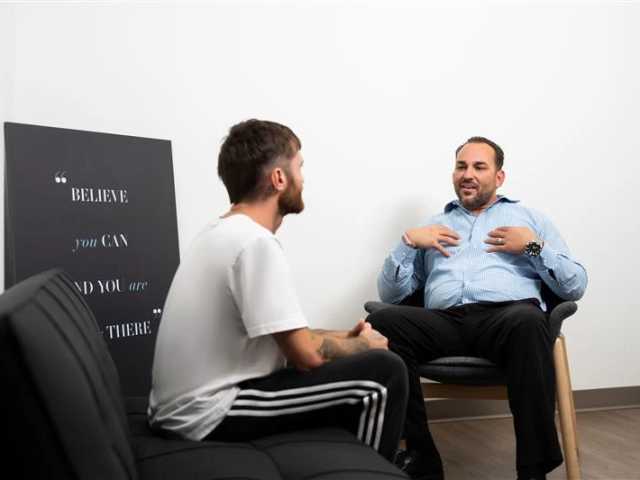
At Townsend, treatment addresses the whole person, blending 12-Step philosophy with evidence-based methods, primarily cognitive behavioral therapy (CBT) to rebuild healthy thought patterns. Using a dual-diagnosis approach, staff can select specific methodologies that identify and treat the root causes of each client’s addiction. Clients engage in individual and group therapy sessions, and benefit from a strong family focus that includes a weekly family night.
Townsend is a 52-bed residential campus with a clean, well-maintained environment that has a youthful decor and vibe that removes the barrier of institutionalized treatment. Clients stay in gender-specific wings, sharing bedrooms and ensuite bathrooms with up to 2 other people. Meals and laundry facilities are provided, as well as access to a fitness center, courtyard with a BBQ area, basketball and volleyball courts, and organized sober leisure activities.
Following treatment, Townsend continues to assist clients on their lifelong recovery journey. Each client leaves with an aftercare plan that includes peer support and step-down care—typically referring clients to Townsend’s intensive outpatient program (IOP) in Metairie. They can also assist with sober living housing placements, if needed.

These highlights are provided by and paid for by the center.
Certified Professionals
Master's Level Therapists
Addiction Recovery
This center treats substance use disorders and co-occurring mental health conditions. Your treatment plan addresses each condition at once with personalized, compassionate care for comprehensive healing.
The Joint Commission accreditation is a voluntary, objective process that evaluates and accredits healthcare organizations (like treatment centers) based on performance standards designed to improve quality and safety for patients. To be accredited means the treatment center has been found to meet the Commission's standards for quality and safety in patient care.


More Avenues Recovery Center Locations
Recovery.com Verified Listing
Recovery.com verified that the name, location, contact information and license to operate for this treatment provider are valid and up-to-date.

Licensed by Louisiana
Joint Commission Accredited
Recovery.com is an independent, third-party mental health resource. Verification does not imply endorsement and does not guarantee the quality of treatment services.

Michelle Adams
Primary Counselor

Gabriel Bass
Primary Counselor

Robert R Fezekas II
Clinical Director

Julie Batt
Clinical Director

Brandie Smith
Nurse Practitioner

Noel Miles
Primary Counselor
Langley Laporte
Primary Counselor

Nicole Pichon
Nurse Practitioner

Amy Wise
Primary Counselor
Using alcohol as a coping mechanism, or drinking excessively throughout the week, signals an alcohol use disorder.
Detox fully and safely removes toxic substances from the body, allowing the next steps in treatment to begin with a clean slate.
A non-medicinal, wellness-focused approach that aims to align the mind, body, and spirit for deep and lasting healing.
Combined with behavioral therapy, prescribed medications can enhance treatment by relieving withdrawal symptoms and focus patients on their recovery.
Detox fully and safely removes toxic substances from the body, allowing the next steps in treatment to begin with a clean slate.
In an IOP, patients live at home or a sober living, but attend treatment typically 9-15 hours a week. Most programs include talk therapy, support groups, and other methods.
During outpatient rehab, patients attend a structured treatment program while continuing to live at home.
In a residential rehab program, patients live onsite, with access to daily treatment and 24-hour care. An average stay is 30-90 days.
A combination of scientifically rooted therapies and treatments make up evidence-based care, defined by their measured and proven results.
A non-medicinal, wellness-focused approach that aims to align the mind, body, and spirit for deep and lasting healing.
Medical addiction treatment uses approved medications to manage withdrawals and cravings, and to treat contributing mental health conditions.
Incorporating spirituality, community, and responsibility, 12-Step philosophies prioritize the guidance of a Higher Power and a continuation of 12-Step practices.
Patient and therapist meet 1-on-1 to work through difficult emotions and behavioral challenges in a personal, private setting.
A practiced state of mind that brings patients to the present. It allows them to become fully aware of themselves, their feelings, and the present moment.
This ancient practice can be mental, emotional, and even spiritual. In meditation, you focus your attention on the present moment without judgement.
Inhaling or topically applying essential oils can help relieve stress, soothe pains, and relieve emotional distress.
Visual art invites patients to examine the emotions within their work, focusing on the process of creativity and its gentle therapeutic power.
Partners work to improve their communication patterns, using advice from their therapist to better their relationship and make healthy changes.
Creative processes like art, writing, or dance use inner creative desires to help boost confidence, emotional growth, and initiate change.
Family therapy addresses group dynamics within a family system, with a focus on improving communication and interrupting unhealthy relationship patterns.
Schizophrenia is a serious mental health condition that causes hallucinations, delusions, and disordered thinking.
Grief is a natural reaction to loss, but severe grief can interfere with your ability to function. You can get treatment for this condition.
Personality disorders destabilize the way a person thinks, feels, and behaves. If untreated, they can undermine relationships and lead to severe distress.
ADHD is a common mental health condition caused by dopamine imbalance. Common symptoms include inattention, hyperactivitiy, and impulsivity.
Although anger itself isn't a disorder, it can get out of hand. If this feeling interferes with your relationships and daily functioning, treatment can help.
Anxiety is a common mental health condition that can include excessive worry, panic attacks, physical tension, and increased blood pressure.
This mental health condition is characterized by extreme mood swings between depression, mania, and remission.
Long-term physical pain can have an affect on mental health. Without support, it can also impact your daily life and even lead to addiction.
Using alcohol as a coping mechanism, or drinking excessively throughout the week, signals an alcohol use disorder.
Benzodiazepines are prescribed to treat anxiety and sleep issues. They are highly habit forming, and their abuse can cause mood changes and poor judgement.
Consistent relapse occurs repeatedly, after partial recovery from addiction. This condition requires long-term treatment.
A person with multiple mental health diagnoses, such as addiction and depression, has co-occurring disorders also called dual diagnosis.
Cocaine is a stimulant with euphoric effects. Agitation, muscle ticks, psychosis, and heart issues are common symptoms of cocaine abuse.
Drug addiction is the excessive and repetitive use of substances, despite harmful consequences to a person's life, health, and relationships.
Ecstasy is a stimulant that causes intense euphoria and heightened awareness. Abuse of this drug can trigger depression, insomnia, and memory problems.
Heroin is a highly addictive and illegal opioid. It can cause insomnia, collapsed veins, heart issues, and additional mental health issues.
Patients in gender-specific groups gain the opportunity to discuss challenges unique to their gender in a comfortable, safe setting conducive to healing.
Yoga is both a physical and spiritual practice. It includes a flow of movement, breathing techniques, and meditation.

Understanding the Link Between Anxiety and Addiction
Discover how anxiety may shape addiction patterns and reveal new pathways to healing.
How Intensive Outpatient Intensity Structure Boosts Recovery
See how structured outpatient care can strengthen momentum and deepen commitment to recovery.
Dealing With Someone Addicted to Alcohol
Learn compassionate strategies that can support loved ones through alcohol-related challenges.
Is Addiction Genetic?
Uncover insights into genetics that may reshape understanding of addiction risk.