Find Treatment By
Rehabs by Location


Learn
About Us
Recovery.com combines independent research with expert guidance on addiction and mental health treatment. Our mission is to help everyone find the best path to recovery through the most comprehensive, helpful network of treatment providers worldwide.
Advisory Council
Our advisory council brings together leaders in behavioral health, technology, and business. Their diverse expertise ensures our resources and product are innovative, evidence-based, and effective. They guide our mission as accomplished individuals dedicated to improving the landscape of addiction recovery and mental wellness.
"You Just Need to Learn How to Love Yourself": How Trevar Found Treatment at CuraWest


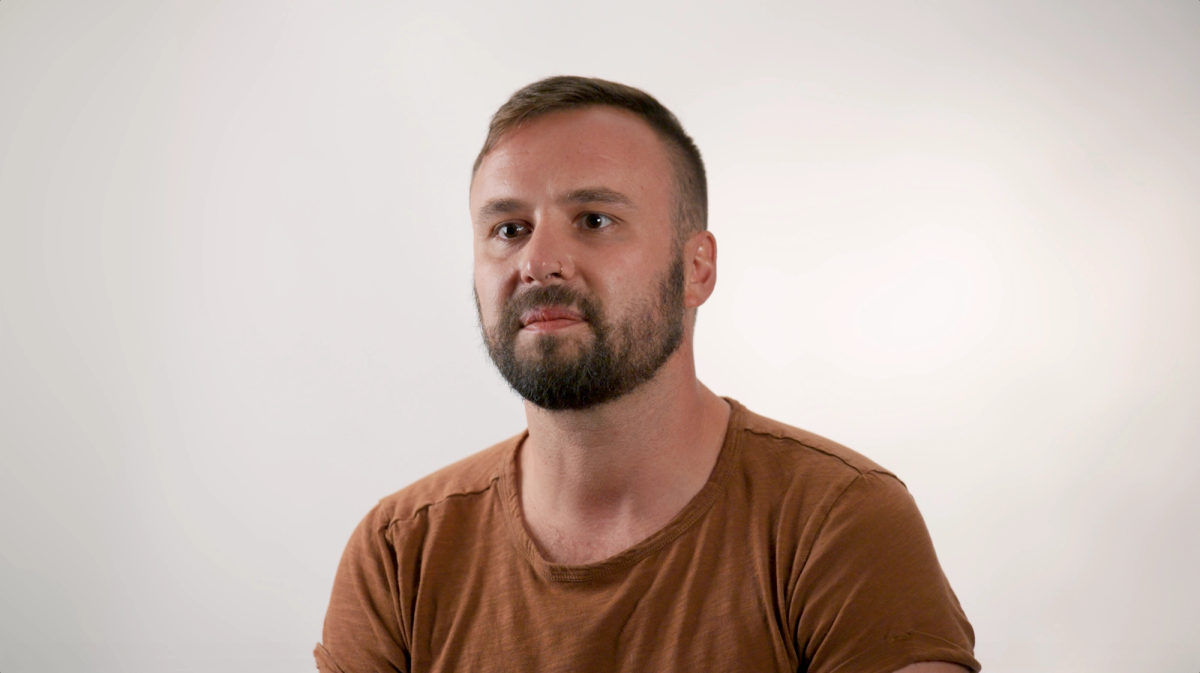
The first time Trevar drank, he felt free.
He had just moved to Orlando. He had just come out as gay. And for the first time in his life, he could talk to people, be in a room, and do things he never thought he could do.
"From the first time I drank, I knew that it would always end horrible, because I couldn't stop drinking until it got really ugly."
That first night ended with three drag queens pulling him out of a car to keep him from driving home drunk. He was 21. He drank like that for the next ten years.
Feeling different, long before the first drink
Trevar's story doesn't start with alcohol. It starts with a feeling most people in recovery recognize.
"My whole entire life, I had always felt really different."
At 18, he moved to England to join a conversion therapy program. It was a religious program, so there was no drinking allowed. He spent that time trying to become someone else. What he came away with instead was clarity: he had to come out.
So he came out, moved back to the United States, and landed in Florida. Alcohol arrived right behind it, and it did what alcohol does for a lot of people who have spent years feeling like they don't belong. It made the room feel survivable.
When the bottom stopped being a metaphor
The drinking held a shape for about a decade. Then, at 31, it stopped holding.
"When I was 31 was when I started losing everything."
For six years, Trevar was hospitalized annually. Emergency rooms. Psychiatric units. The pattern repeated until one morning made it impossible to keep repeating.
He woke up in a hospital bed with his wrists and ankles restrained. He couldn't move. He laid there for an hour and a half, waiting for someone to release him.
"That's when I realized that I had to do something."
Making the call with nothing left
By that point, Trevar had no insurance and no job. He got onto Recovery.com, searched, and found a few options. He called the first one on the list: CuraWest.
"I was like, 'I have no insurance. I lost my job. I have nothing. What can I do?'"
The person who answered told him that if he could get onto Medicaid, they had two beds available.
That was the whole barrier, and it came down in one phone call.
He didn't tell his family. He told one friend, who agreed to take his dog. Then he ordered an Uber and rode himself to treatment.
"It was the scariest ride of my life."
What he expected, and what actually happened
Trevar arrived expecting a repair shop.
"I thought that it was going to be a place where instantly I'd go and they'd fix me in a couple days, and then all of a sudden I'd be gone and free."
What he found was different, and slower, and more durable. Recovery wasn't a procedure with a discharge date. It was going to be a lifetime process.
The moment he points to came early. He showed up so depleted that he couldn't accept care from anyone, or sit comfortably in his own skin. Then he met his therapist, who looked at him and said one thing.
"You just need to learn how to love yourself."
He spent the next 35 days doing exactly that. Learning to love himself. Learning, for the first time in years, how to have friends without a substance in the room.
"I left with a better self-esteem than I'd ever had in my whole entire life."
Life on the other side
Ask Trevar what recovery looks like now and he doesn't describe an absence. He describes a phone that rings.
"I have people that I can call any time of the day and they'll answer, and I have people that I'm actually honest with and that are honest with me."
On the morning of this interview, four different people called him just to check in.
And then there's the part he calls the biggest gift of all.
"My family, I think that's the biggest gift of all, is that I finally have a relationship with my family that I never was able to have."
His message to anyone still deciding
Trevar was uninsured, unemployed, and terrified when he made the call. He wants people in that exact position to hear this from someone who has been there.
"If you're on the fence of going to treatment, do it, and do it as fast as you can. You can get onto Medicaid. You can get onto something that will help you into there. You will find resources to do it, but rehab will change your life and give you foundation for your recovery like you've never imagined."
If you or someone you love is looking for treatment, you can search and compare programs by location, condition, insurance, and payment type on Recovery.com. Many programs accept Medicaid, and admissions teams can walk you through your options even if you have no coverage today.
If you are in crisis or thinking about harming yourself, call or text 988 to reach the Suicide and Crisis Lifeline, 24 hours a day.
Our Promise
How Is Recovery.com Different?
We believe everyone deserves access to accurate, unbiased information about mental health and recovery. That's why we have a comprehensive set of treatment providers and don't charge for inclusion. Any center that meets our criteria can list for free. We do not and have never accepted fees for referring someone to a particular center. Providers who advertise with us must be verified by our Research Team and we clearly mark their status as advertisers.
Our goal is to help you choose the best path for your recovery. That begins with information you can trust.