Find Treatment By
Rehabs by Location


Find Treatment By
Learn
About Us
Recovery.com combines independent research with expert guidance on addiction and mental health treatment. Our mission is to help everyone find the best path to recovery through the most comprehensive, helpful network of treatment providers worldwide.
Advisory Council
Our advisory council brings together leaders in behavioral health, technology, and business. Their diverse expertise ensures our resources and product are innovative, evidence-based, and effective. They guide our mission as accomplished individuals dedicated to improving the landscape of addiction recovery and mental wellness.


The Lighthouse Women's Residence
Verified Center
This provider's information has been quality-checked by Recovery.com's Research Team for accuracy and completeness, including center verification through appropriate third-party organizations.
Treatment Focus
This center treats substance use disorders and co-occurring mental health conditions. Your treatment plan addresses each condition at once with personalized, compassionate care for comprehensive healing.
Primary Level of Care
Transitional housing designed to support individuals recovering from substance use disorders offering a safe, supportive and structured environment for practicing long-term sobriety, while reintegrating back into daily living.
Treatment Focus
This center treats substance use disorders and co-occurring mental health conditions. Your treatment plan addresses each condition at once with personalized, compassionate care for comprehensive healing.
Primary Level of Care
Transitional housing designed to support individuals recovering from substance use disorders offering a safe, supportive and structured environment for practicing long-term sobriety, while reintegrating back into daily living.
Private Pay
You pay directly for treatment out of pocket. This approach can offer enhanced privacy and flexibility, without involving insurance. Exact costs vary based on program and length of stay. Contact the center for specific details.
The Lighthouse Women's Residence
The Lighthouse Women's Residence
About The Lighthouse Women's Residence
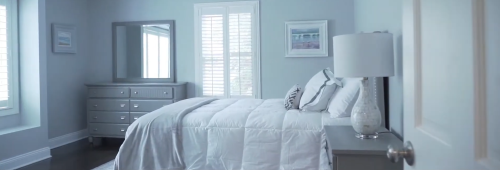
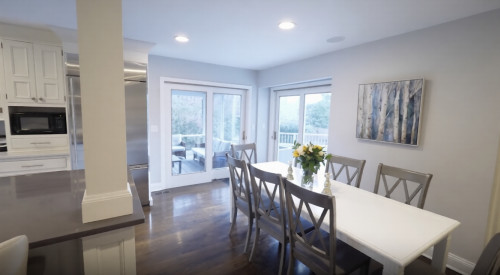
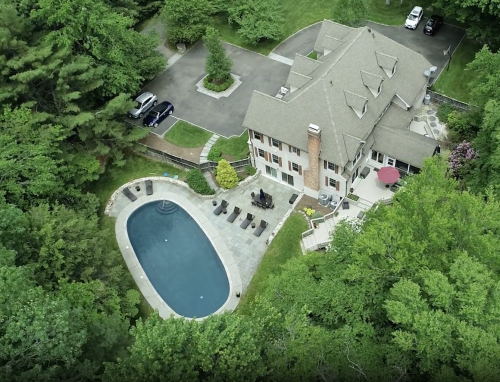
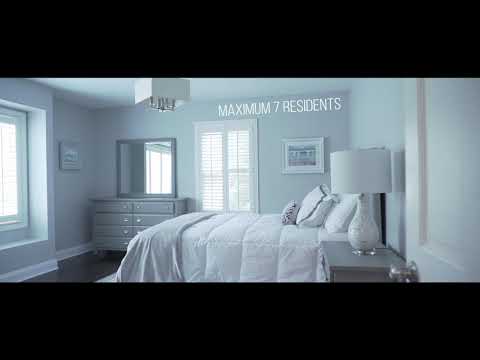
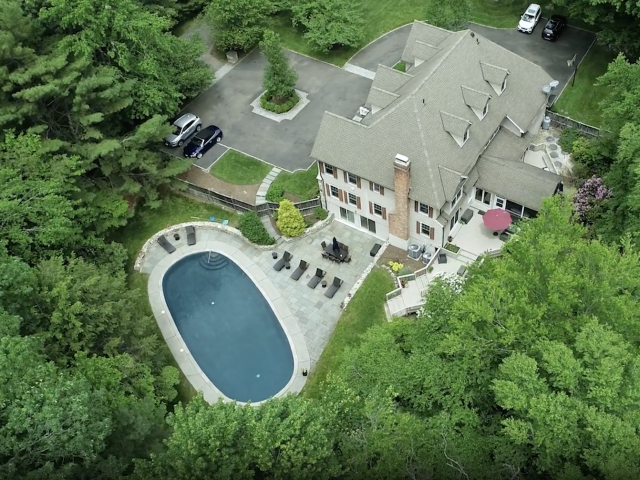
Set on a peaceful Connecticut estate, The Lighthouse, an 8-bed recovery residence is a place where women can practice sobriety with confidence. Instead of feeling isolated after rehab, residents step into a community filled with personalized recovery coaching, fellowship, and daily guidance designed to meet each person where they are.
Feel Grounded and Confident while Strengthening Sobriety
From the moment women walk in, they’re joining a community built on support and shared purpose. Recovery coaches and case managers walk alongside residents, helping them navigate work, appointments, and everyday challenges while rebuilding at their own pace with support that fits real life. With meetings held right in the home and connection built into the daily rhythm of the house, recovery becomes part of everyday living.
Come Home to Ease and Support
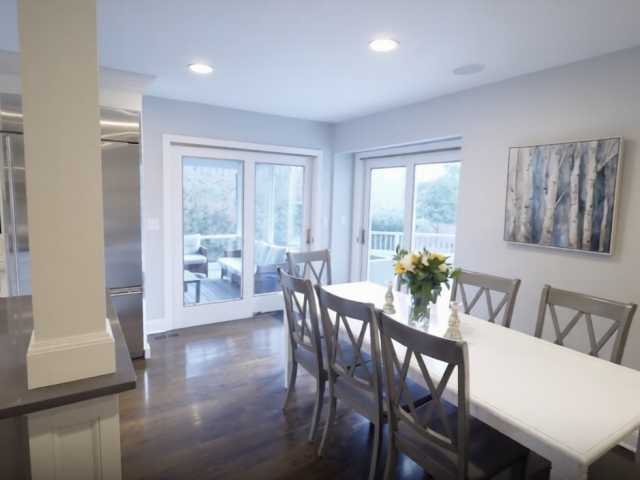
The Lighthouse’s estate feels calm and easy to settle into. There’s a pool for decompressing and quiet spots for women to clear their heads. Food is part of the care; a private chef makes dinner every night, groceries and snacks are always stocked, and some nights, the community orders takeout. Add in rides to external meetings and appointments, a YMCA membership, even a dedicated workspace, and the day-to-day stress drops.
Highlights from the Center
Highlights
These highlights are provided by and paid for by the center.
Certified Professionals
Utmost Confidentiality
Private Rooms Available
Women Only
Center Overview
Support Focus
This center supports substance use disorders and co-occurring mental health conditions. Your support plan addresses each condition at once with personalized, compassionate care for comprehensive healing.

Pricing and Program Length
Estimated Center Costs
The cost listed here ($12,000 - $18,000), is an estimate of program cost. Center price can vary based on program and length of stay. Contact the center for more information. Recovery.com strives for price transparency so you can make an informed decision.
Recovery.com Verified Listing
Recovery.com verified that the name, location, contact information and license to operate for this treatment provider are valid and up-to-date.

Licensed by Connecticut

NAATP Member
Recovery.com is an independent, third-party mental health resource. Verification does not imply endorsement and does not guarantee the quality of treatment services.
Meet Your Support Team
Trey Laird
CEO and Founder

Cini Shaw
Chief Recovery Officer
MA, AADC, CASAC, NCPRSS
Deborah Atkins
Clinical Family Recovery Consultant
MTF

Jeffrey Guance
Clinical Consultant

Lisa Hope
Clinical Consultant
ATR-BC, LCAT, LADC, MAC, CASAC-MC, CRPA, RCP-F
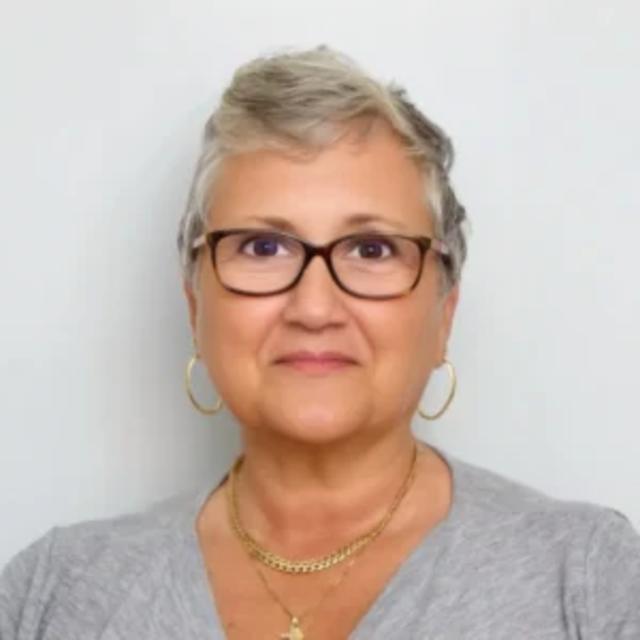
Cathie Gore
Director, Women’s Program

Kristi Braswell
Assistant Director, Women’s Program

Akisha Cassemere
Residential Manager

Courtney Pomrink
Recovery Coach and Residential Manager

Lizzy Williams
Residential Manager

Jamie Harris
Director of Communications and Residential Manager
Your Care Options
Specializations
Cocaine
Cocaine is a stimulant with euphoric effects. Agitation, muscle ticks, psychosis, and heart issues are common symptoms of cocaine abuse.
Prescription Drugs
It's possible to abuse any drug, even prescribed ones. If you crave a medication, or regularly take it more than directed, you may have an addiction.
Benzodiazepines
Benzodiazepines are prescribed to treat anxiety and sleep issues. They are highly habit forming, and their abuse can cause mood changes and poor judgement.
Heroin
Heroin is a highly addictive and illegal opioid. It can cause insomnia, collapsed veins, heart issues, and additional mental health issues.
Opioids
Opioids produce pain-relief and euphoria, which can lead to addiction. This class of drugs includes prescribed medication and the illegal drug heroin.
Sober Living
These structured living environments help people transition out of rehab. Residents have more freedom than they do during rehab, but still follow certain rules.
Alcohol
Using alcohol as a coping mechanism, or drinking excessively throughout the week, signals an alcohol use disorder.
Who We Support
Women only
Women attend treatment in a gender-specific facility, with treatment delivered in a safe, nourishing, and supportive environment for greater comfort.
Support Services
Sober Living
These structured living environments help people transition out of rehab. Residents have more freedom than they do during rehab, but still follow certain rules.
Approaches
Gender-Specific
Separate treatment for men or women can create strong peer connections and remove barriers related to trauma, shame, and gender-specific nuances.
Therapeutic Community
Therapeutic communities allow patients to contribute to the success and progress of their community, through healthy behaviors or even basic chores.
Therapies
1-on-1 Counseling
Patient and therapist meet 1-on-1 to work through difficult emotions and behavioral challenges in a personal, private setting.
Twelve Step Facilitation
12-Step groups offer a framework for addiction recovery. Members commit to a higher power, recognize their issues, and support each other in the healing process.
Languages
Substances We Support
Alcohol
Using alcohol as a coping mechanism, or drinking excessively throughout the week, signals an alcohol use disorder.
Benzodiazepines
Benzodiazepines are prescribed to treat anxiety and sleep issues. They are highly habit forming, and their abuse can cause mood changes and poor judgement.
Co-Occurring Disorders
A person with multiple mental health diagnoses, such as addiction and depression, has co-occurring disorders also called dual diagnosis.
Cocaine
Cocaine is a stimulant with euphoric effects. Agitation, muscle ticks, psychosis, and heart issues are common symptoms of cocaine abuse.
Drug Addiction
Drug addiction is the excessive and repetitive use of substances, despite harmful consequences to a person's life, health, and relationships.
Heroin
Heroin is a highly addictive and illegal opioid. It can cause insomnia, collapsed veins, heart issues, and additional mental health issues.
Methamphetamine
Methamphetamine, or meth, increases energy, agitation, and paranoia. Long-term use can result in severe physical and mental health issues.
Opioids
Opioids produce pain-relief and euphoria, which can lead to addiction. This class of drugs includes prescribed medication and the illegal drug heroin.
Aftercare
Care Designed for Your Needs
Personal Amenities
Amenities
Special Considerations
Healthy Meals are provided
Great food meets great treatment, with providers serving healthy meals to restore nutrition, wellbeing, and health.
Gender-specific groups
Patients in gender-specific groups gain the opportunity to discuss challenges unique to their gender in a comfortable, safe setting conducive to healing.
Activities
Off-Site Activities
Off-Site Amenities
Learn More About the Center
The Road to a Successful Recovery Journey
Explore how long-term recovery unfolds day by day, and what truly sustains change.
Choosing to Recover Out Loud
Learn about the courage it takes to recover out loud—and how honesty can change everything.
Recovery Coach Spotlight
Discover what drives a recovery coach to show up with empathy, accountability, and unwavering support.
Residential Treatment to Sober Living
Read about why the transition from structured care to sober living can define long-term recovery success.