Find Treatment By
Rehabs by Location


Learn
About Us
Recovery.com combines independent research with expert guidance on addiction and mental health treatment. Our mission is to help everyone find the best path to recovery through the most comprehensive, helpful network of treatment providers worldwide.
Advisory Council
Our advisory council brings together leaders in behavioral health, technology, and business. Their diverse expertise ensures our resources and product are innovative, evidence-based, and effective. They guide our mission as accomplished individuals dedicated to improving the landscape of addiction recovery and mental wellness.
Solstice Pacific
About Solstice Pacific
In Mission Viejo, Solstice Pacific blends high-level science with the warmth of genuine hospitality. They provide a comprehensive range of treatments for complex conditions including autism, eating disorders, depressive and anxiety disorders, schizophrenia, and trauma. Through partial hospitalization (PHP), intensive outpatient (IOP), they reject the standard clinical model in favor of a time-tested standard of care that prioritizes family and neurological health.
Shift from Isolated Suffering to a Communal Recovery
Solstice Pacific prioritizes the person over the diagnosis and the underlying cause over the surface symptoms. They recognize that while recovery can feel distant, there is always a path back to connection. Their care is deeply communal, treating the individual alongside their family. By blending personalized medical care with a long-term commitment to the family system, the team walks with families through every stage of healing.
Reset the Nervous System in a Calm Coastal Atmosphere
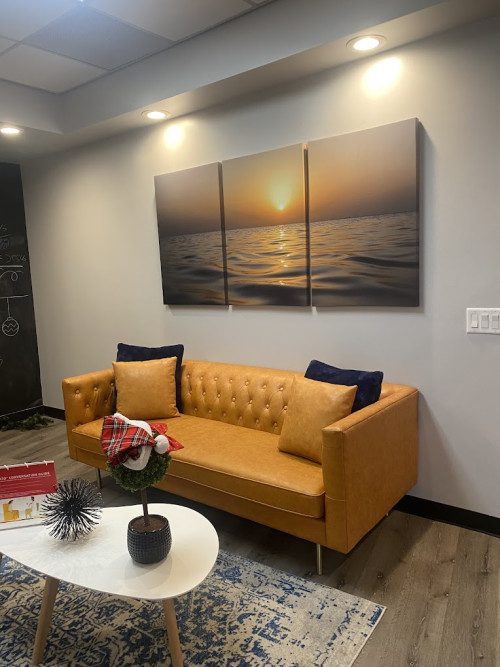
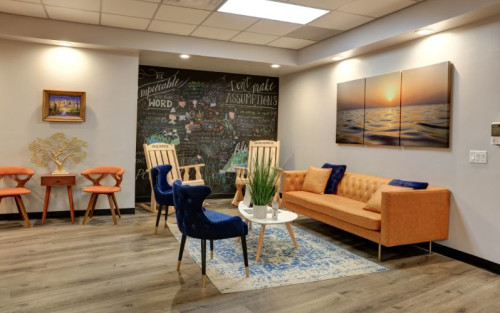
Solstice Pacific is a quiet space in Mission Viejo designed to help people catch their breath. The sun-filled rooms and open outdoor patios make the place feel like a safe place to regroup. In a setting that feels human, the center makes it easy for someone to start feeling like themselves again.
Walk into the Next Chapter with Guidance
After doing the hard work of healing, Solstice Pacific makes sure clients don’t just walk out and go it alone. They don’t just fade out of care; a caring staff member keeps in touch with them weekly after they leave. And clients can expect structure, connection, and people to cheer them on while they build their lives back up.
Highlights from the Center
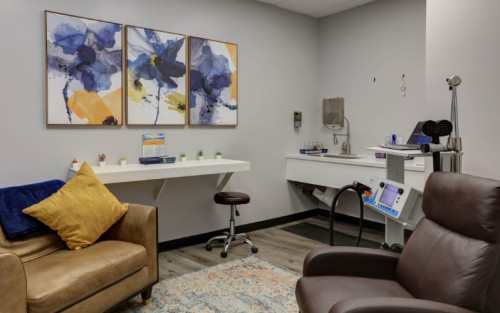
Neuro/Bio Feedback Therapy
Licensed for Both Addiction & Mental Health
Trauma-Informed Care
Doctor Level Therapists
Center Overview

Insurance Accepted








Cash Pay Rates
Meet Your Care Team

Britten Devereux
CEO

Dr. Randall Turner
Psychiatrist
DO

Brianna Riddlebarger
Physician Assistant

Narges Maududi
Psychotherapist
LCSW

Lena Osborne
Executive Director

Lily Noble
Psychiatric Registered Nurse, Marriage and Family Therapist
RN, MFT

Jamie Schwarcz
Case Manager I

Quinn Shaw
Case Manager Intern

Aljan Morales
Intake and Utilization Manager
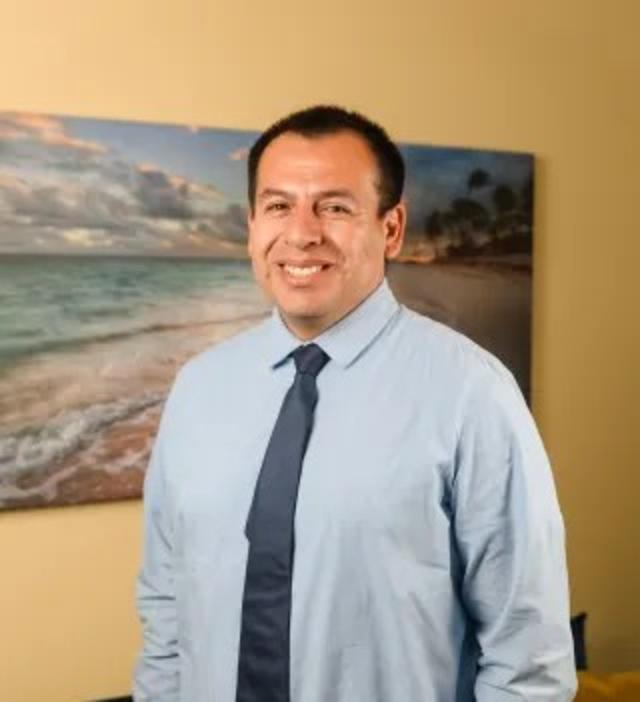
Oscar Rivas
Group Facilitator and Life Coach

Ashly Fox
Group Facilitator




Levels of Care

