Find Treatment By
Rehabs by Location


Learn
About Us
Recovery.com combines independent research with expert guidance on addiction and mental health treatment. Our mission is to help everyone find the best path to recovery through the most comprehensive, helpful network of treatment providers worldwide.
Advisory Council
Our advisory council brings together leaders in behavioral health, technology, and business. Their diverse expertise ensures our resources and product are innovative, evidence-based, and effective. They guide our mission as accomplished individuals dedicated to improving the landscape of addiction recovery and mental wellness.
The Hope Pad
About The Hope Pad
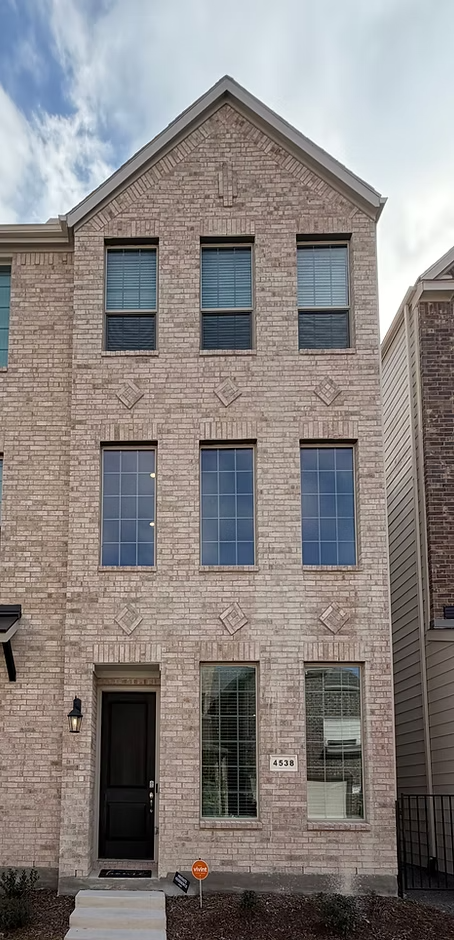
Built on structure, dignity, and ownership, The Hope Pad is a men’s sober living residence for 18+, treating drug addiction and alcohol addiction through accountability, therapy, and daily routine. Their program includes twice-weekly group counseling, nurse practitioner wellness visits, recovery meetings, and high-performance coaching. They offer transitional housing that bridges treatment and independent living through structured curfews, substance testing, and required employment engagement.
Integrated Therapy and Skill Building
In addition, the approach combines clinical care with mind–body practices to strengthen emotional regulation and decision-making. Licensed group therapy builds coping skills and insight, while weekly coaching develops discipline, goal setting, and long-term planning. Yoga classes and gym access improve nervous system balance and physical strength. Regular breathalyzer and urinalysis testing reinforce responsibility and reduce relapse risk.
Structured Living and Modern Comfort
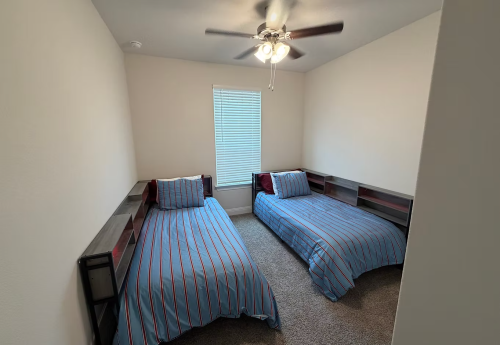
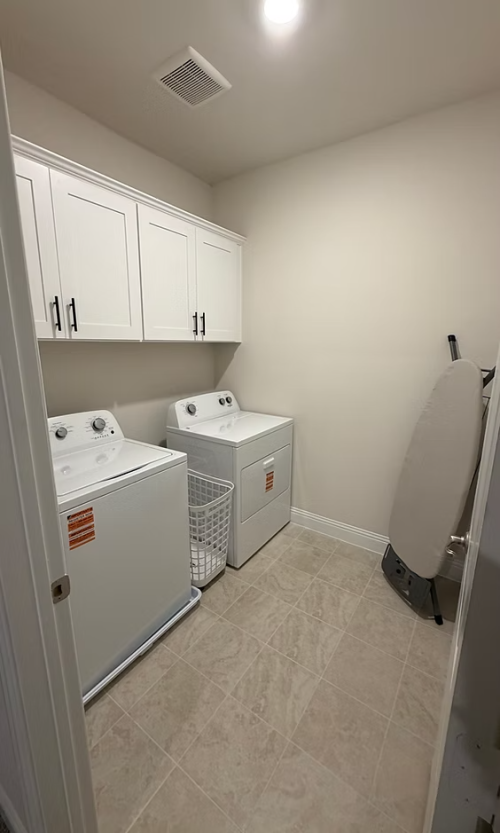
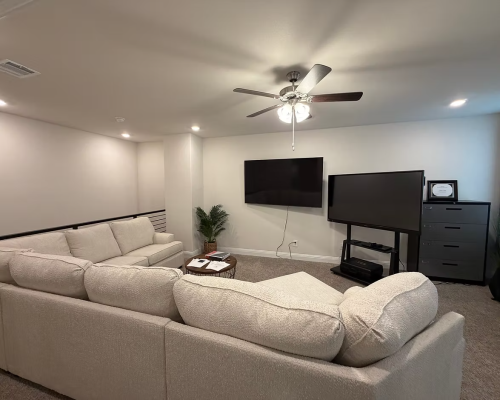
Equally important, the living environment promotes stability and pride. Residents choose single or shared rooms in a fully furnished home featuring memory foam mattresses, high-thread-count linens, and modern kitchens. Weekday meals, Sunday brunch, and daily snacks create routine and nourishment. Two living rooms, workstations, streaming access, and professional cleaning enhance comfort while preserving structure and accountability.
Center Overview
Supportive Medication for Recovery
Medication-Assisted Treatment (MAT) is an evidence-based approach that pairs FDA-approved medications with counseling to treat addiction. The medications are used to reduce cravings, ease withdrawal symptoms, or block the effects of substances. More about MAT
This center accepts patients receiving MAT prescribed elsewhere for opioid use disorder, but does not prescribe it.
This center accepts patients receiving MAT prescribed elsewhere for alcohol use disorder, but does not prescribe it.
Note: Treatment centers offer different forms of MAT—such as oral tablets, dissolvable films, or monthly injections—and their policies can vary based on state regulations, provider preferences, and insurance coverage. Because of these differences, it's best to contact the center directly to learn what options are available and what might be right for your situation.
Pricing and Program Length
Levels of Care

