Find Treatment By
Rehabs by Location


Find Treatment By
Learn
About Us
Recovery.com combines independent research with expert guidance on addiction and mental health treatment. Our mission is to help everyone find the best path to recovery through the most comprehensive, helpful network of treatment providers worldwide.
Advisory Council
Our advisory council brings together leaders in behavioral health, technology, and business. Their diverse expertise ensures our resources and product are innovative, evidence-based, and effective. They guide our mission as accomplished individuals dedicated to improving the landscape of addiction recovery and mental wellness.

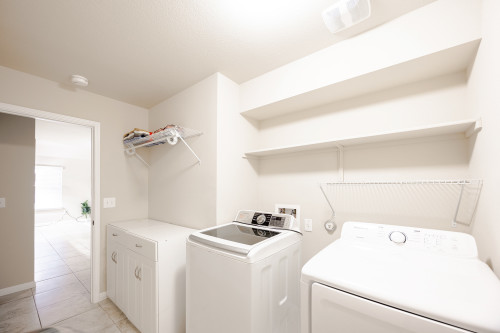
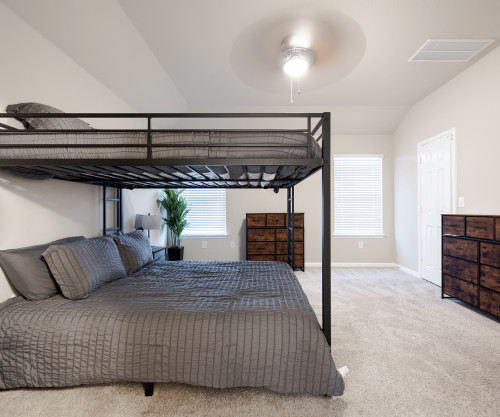
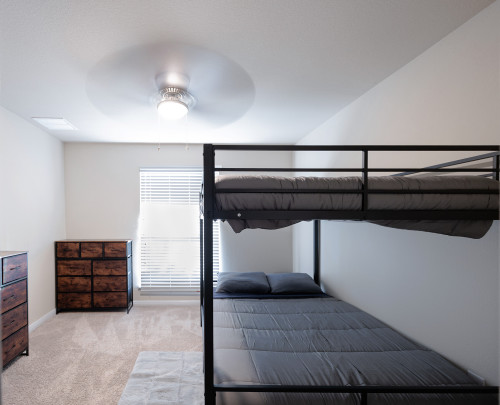
Safe Ground Living
Treatment Focus
This center primarily treats substance use disorders, helping you stabilize, create relapse-prevention plans, and connect to compassionate support.
Primary Level of Care
Transitional housing designed to support individuals recovering from substance use disorders offering a safe, supportive and structured environment for practicing long-term sobriety, while reintegrating back into daily living.
Claimed
Recovery.com has connected directly with this treatment provider to validate the information in their profile.
Treatment Focus
This center primarily treats substance use disorders, helping you stabilize, create relapse-prevention plans, and connect to compassionate support.
Primary Level of Care
Transitional housing designed to support individuals recovering from substance use disorders offering a safe, supportive and structured environment for practicing long-term sobriety, while reintegrating back into daily living.
Provider's Policy
Many residents start with private pay, covering monthly costs via credit card, debit, or bank transfer through a simple payment link or invoice. For individuals with IDD, Medicaid via the HCS Waiver is accepted, with coordination support. Sober living is private pay, with some partner billing options.
About Safe Ground Living
Safe Ground Living provides a housing program treating adults with intellectual and developmental disabilities (IDD) and individuals in recovery through structured, supportive sober living. Their program includes Medicaid-compliant IDD supportive housing and sober living residences with 24/7 staffed oversight, individualized care planning, and daily routines with daily house meetings. They offer residential housing designed to promote safety, stability, and gradual independence.
Steady Structure, Daily Support
Safe Ground Living follows a structured, person-centered approach focused on consistency, accountability, and daily skill development. Trained staff support residents with life skills, medication coordination, and community engagement while maintaining calm, predictable environments. For individuals in recovery, the approach emphasizes sobriety, peer accountability, and routine through house meetings and shared responsibilities. Across all homes, care plans center on functional goals, dignity, and long-term stability.
Building Skills for Real Life
Residents benefit from programs that blend real-world skill-building with a home-like atmosphere. Clean, comfortable living spaces and ongoing coordination with families, case managers, and outside providers help residents move forward with confidence, structure, and meaningful daily support. Clients take on shared responsibilities along with their daily routines and house meetings to create a rhythm that keeps residents grounded and medicated.
IDD residents engage in life enrichment activities that support independence and community inclusion, while sober living residents participate in employment support and peer-led accountability systems. Clients receive additional privileges based on their progress milestones.
Center Overview
Support Focus
This center primarily supports substance use disorders, helping you stabilize, create relapse-prevention plans, and connect to compassionate support.

Insurance Accepted

Cash Pay Rates
Estimated Cash Pay Rate
Center pricing can vary based on program and length of stay. Contact the center for more information. Recovery.com strives for price transparency so you can make an informed decision.
Levels of Care


Your Care Options
Specializations
Transitional Living
After rehab, some people stay in a transitional living situation before returning home. These programs offer structure, education, and community support.
Who We Support
Men and Women
Men and women attend treatment for addiction in a co-ed setting, going to therapy groups together to share experiences, struggles, and successes.
Mild Disabilities
Adults with mild physical or intellectual disabilities receive treatment catered to their specific needs in a safe and clinically supportive environment.
Approaches
Evidence-Based
A combination of scientifically rooted therapies and treatments make up evidence-based care, defined by their measured and proven results.
Family Involvement
Providers involve family in the treatment of their loved one through family therapy, visits, or both–because addiction is a family disease.
Individual Treatment
Individual care meets the needs of each patient, using personalized treatment to provide them the most relevant care and greatest chance of success.
Therapies
1-on-1 Counseling
Patient and therapist meet 1-on-1 to work through difficult emotions and behavioral challenges in a personal, private setting.
Family Therapy
Family therapy addresses group dynamics within a family system, with a focus on improving communication and interrupting unhealthy relationship patterns.
Life Skills
Teaching life skills like cooking, cleaning, clear communication, and even basic math provides a strong foundation for continued recovery.
Meditation & Mindfulness
A practiced state of mind that brings patients to the present. It allows them to become fully aware of themselves, their feelings, and the present moment.
Psychoeducation
This method combines treatment with education, teaching patients about different paths toward recovery. This empowers them to make more effective decisions.
Languages
Conditions We Support
ADHD, ADD
ADHD is a common mental health condition caused by dopamine imbalance. Common symptoms include inattention, hyperactivitiy, and impulsivity.
Substances We Support
Alcohol
Using alcohol as a coping mechanism, or drinking excessively throughout the week, signals an alcohol use disorder.
Drug Addiction
Drug addiction is the excessive and repetitive use of substances, despite harmful consequences to a person's life, health, and relationships.
Aftercare
Care Designed for Your Needs
Personal Amenities
Special Considerations
Transition Program
Patients in a transition program gradually return to life outside treatment, helping lower chances of relapse and continue care in a less intense setting.