Recovery Now - Sacramento
Treatment Focus
This center primarily treats substance use disorders, helping you stabilize, create relapse-prevention plans, and connect to compassionate support.
Primary Level of Care
Transitional housing designed to support individuals recovering from substance use disorders offering a safe, supportive and structured environment for practicing long-term sobriety, while reintegrating back into daily living.
This provider hasn't verified their profile's information. Are you the owner of this center? Claim your listing to better manage your presence on Recovery.com.
Treatment Focus
This center primarily treats substance use disorders, helping you stabilize, create relapse-prevention plans, and connect to compassionate support.
Primary Level of Care
Transitional housing designed to support individuals recovering from substance use disorders offering a safe, supportive and structured environment for practicing long-term sobriety, while reintegrating back into daily living.
Insurance Accepted
This center accepts insurance, exact cost can vary depending on your plan and deductible.
Recovery Now - Sacramento
About Recovery Now - Sacramento
This center in Sacramento is a structured transitional living program supporting adults committed to maintaining sobriety after completing primary treatment or while engaged in outpatient care. The home treats recovery from alcohol and drug dependence through accountability, peer support, and a zero-tolerance environment. Their program includes sober housing with clear rules, weekly house meetings, and required employment or job search. They offer transitional living designed to help residents stabilize and move forward.
Building Stability Through Structure
The approach centers on structure, responsibility, and consistent recovery habits rather than clinical services. Residents attend regular 12-Step meetings within walking distance, participate in weekly house meetings, and complete assigned chores. Random drug and alcohol testing reinforces accountability and safety. Clear expectations help residents stay focused on recovery goals while building routines that support independence, employment readiness, and long-term sobriety.
Comfortable Living That Supports Recovery
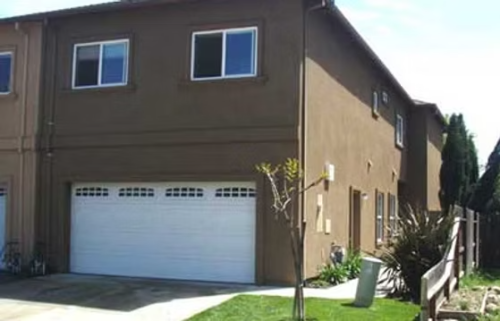
Residents live in a professionally maintained home with shared and single bedrooms, full bathrooms, and a calm, respectful atmosphere. Each space includes bedding, dressers, and personal lighting. Shared amenities feature a full kitchen, a living room with a flat-screen TV, laundry facilities, WiFi, cable, and a landscaped backyard. The home’s location near I-80 and Madison Avenue provides easy access while offering a clean and comfortable place to recover.
Center Overview

Support Focus
This center primarily supports substance use disorders, helping you stabilize, create relapse-prevention plans, and connect to compassionate support.

Insurance Accepted
Pricing and Program Length
Estimated Center Costs
The cost listed here ($1,050/Month), is an estimate of program cost. Center price can vary based on program and length of stay. Contact the center for more information. Recovery.com strives for price transparency so you can make an informed decision.
Levels of Care
Your Care Options
Specializations
Transition Program
Patients in a transition program gradually return to life outside treatment, helping lower chances of relapse and continue care in a less intense setting.
Alcohol
Using alcohol as a coping mechanism, or drinking excessively throughout the week, signals an alcohol use disorder.
Drug Addiction
Drug addiction is the excessive and repetitive use of substances, despite harmful consequences to a person's life, health, and relationships.
Sober Living
These structured living environments help people transition out of rehab. Residents have more freedom than they do during rehab, but still follow certain rules.
Who We Support
Men and Women
Men and women attend treatment for addiction in a co-ed setting, going to therapy groups together to share experiences, struggles, and successes.
Approaches
Evidence-Based
A combination of scientifically rooted therapies and treatments make up evidence-based care, defined by their measured and proven results.
Family Involvement
Providers involve family in the treatment of their loved one through family therapy, visits, or both–because addiction is a family disease.
Individual Treatment
Individual care meets the needs of each patient, using personalized treatment to provide them the most relevant care and greatest chance of success.
Twelve Step
Incorporating spirituality, community, and responsibility, 12-Step philosophies prioritize the guidance of a Higher Power and a continuation of 12-Step practices.
Therapies
1-on-1 Counseling
Patient and therapist meet 1-on-1 to work through difficult emotions and behavioral challenges in a personal, private setting.
Family Therapy
Family therapy addresses group dynamics within a family system, with a focus on improving communication and interrupting unhealthy relationship patterns.
Life Skills
Teaching life skills like cooking, cleaning, clear communication, and even basic math provides a strong foundation for continued recovery.
Psychoeducation
This method combines treatment with education, teaching patients about different paths toward recovery. This empowers them to make more effective decisions.
Twelve Step Facilitation
12-Step groups offer a framework for addiction recovery. Members commit to a higher power, recognize their issues, and support each other in the healing process.
Languages
Substances We Support
Alcohol
Using alcohol as a coping mechanism, or drinking excessively throughout the week, signals an alcohol use disorder.
Drug Addiction
Drug addiction is the excessive and repetitive use of substances, despite harmful consequences to a person's life, health, and relationships.
Aftercare
Care Designed for Your Needs
Personal Amenities
Amenities
Special Considerations
Transition Program
Patients in a transition program gradually return to life outside treatment, helping lower chances of relapse and continue care in a less intense setting.