Oceanside Sober Living
Treatment Focus
This center primarily treats substance use disorders, helping you stabilize, create relapse-prevention plans, and connect to compassionate support.
Primary Level of Care
Transitional housing designed to support individuals recovering from substance use disorders offering a safe, supportive and structured environment for practicing long-term sobriety, while reintegrating back into daily living.
Claimed
Recovery.com has connected directly with this treatment provider to validate the information in their profile.
Treatment Focus
This center primarily treats substance use disorders, helping you stabilize, create relapse-prevention plans, and connect to compassionate support.
Primary Level of Care
Transitional housing designed to support individuals recovering from substance use disorders offering a safe, supportive and structured environment for practicing long-term sobriety, while reintegrating back into daily living.
Private Pay
You pay directly for treatment out of pocket. This approach can offer enhanced privacy and flexibility, without involving insurance. Exact costs vary based on program and length of stay. Contact the center for specific details.
Oceanside Sober Living
About Oceanside Sober Living
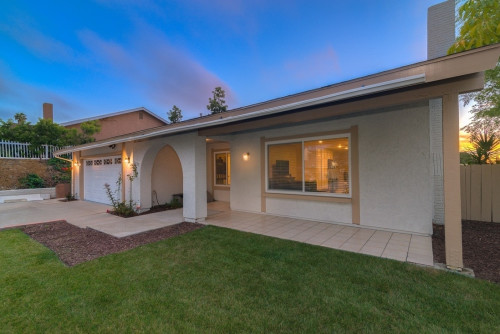
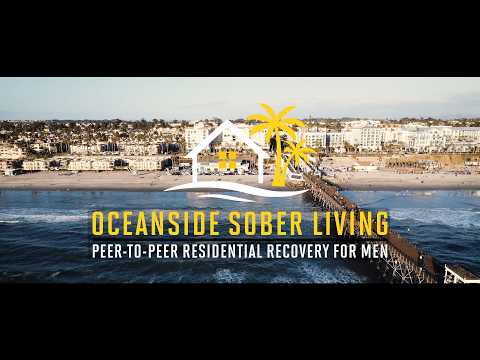
Oceanside Sober Living operates peer-to-peer sober living homes for men recovering from drug and alcohol use. Their mission is to provide housing that bridges the gap between early recovery and independent living. Residents live in a drug-free and alcohol-free environment where accountability and shared responsibility are emphasized. The homes support individuals rebuilding daily routines while living alongside others working toward long term sobriety and personal progress.
Structured Living That Reinforces Sobriety
Daily life in the homes follows clear expectations designed to support recovery. Residents participate in 4 to 7 recovery meetings each week and follow house guidelines that include curfews and regular drug and alcohol testing. Live-in house managers help maintain structure and accountability within the homes. This environment supports individuals who are transitioning from inpatient treatment, residential rehabilitation programs, or detoxification services while continuing their recovery journey.
Shared Community and Everyday Life Skills
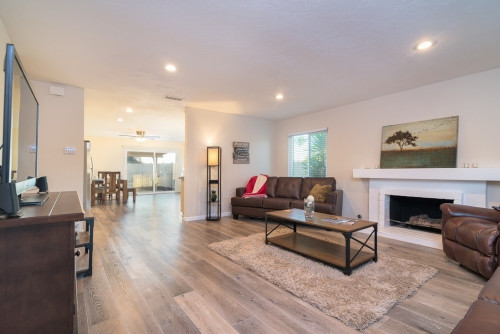
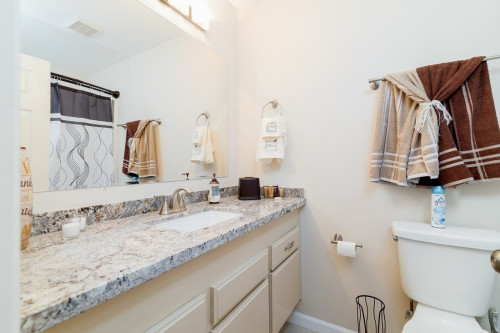
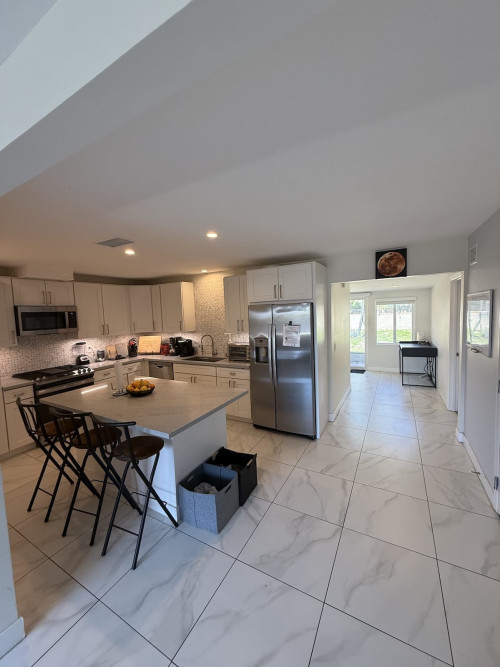
Life inside the homes focuses on building healthy routines within a shared community setting. Residents live in remodeled homes with amenities such as wireless internet, laundry supplies, and common living spaces. Group activities including sporting events, comedy shows, and bowling help encourage sober social interaction. Convenient access to transportation, shopping areas, and nearby educational opportunities supports residents pursuing employment, education, and greater independence while maintaining sobriety.
Center Overview
Support Focus
This center primarily supports substance use disorders, helping you stabilize, create relapse-prevention plans, and connect to compassionate support.
Pricing and Program Length
Estimated Center Costs
Center pricing can vary based on program and length of stay. Contact the center for more information. Recovery.com strives for price transparency so you can make an informed decision.
Levels of Care
Your Care Options
Specializations
Alcohol
Using alcohol as a coping mechanism, or drinking excessively throughout the week, signals an alcohol use disorder.
Chronic Relapse
Consistent relapse occurs repeatedly, after partial recovery from addiction. This condition requires long-term treatment.
Drug Addiction
Drug addiction is the excessive and repetitive use of substances, despite harmful consequences to a person's life, health, and relationships.
Who We Support
Approaches
Evidence-Based
A combination of scientifically rooted therapies and treatments make up evidence-based care, defined by their measured and proven results.
Holistic
A non-medicinal, wellness-focused approach that aims to align the mind, body, and spirit for deep and lasting healing.
Personalized Treatment
The specific needs, histories, and conditions of individual patients receive personalized, highly relevant care throughout their recovery journey.
Twelve Step
Incorporating spirituality, community, and responsibility, 12-Step philosophies prioritize the guidance of a Higher Power and a continuation of 12-Step practices.
Therapies
Life Skills
Teaching life skills like cooking, cleaning, clear communication, and even basic math provides a strong foundation for continued recovery.
Relapse Prevention Counseling
Relapse prevention counselors teach patients to recognize the signs of relapse and reduce their risk.
Twelve Step Facilitation
12-Step groups offer a framework for addiction recovery. Members commit to a higher power, recognize their issues, and support each other in the healing process.
Languages
Substances We Support
Alcohol
Using alcohol as a coping mechanism, or drinking excessively throughout the week, signals an alcohol use disorder.
Chronic Relapse
Consistent relapse occurs repeatedly, after partial recovery from addiction. This condition requires long-term treatment.
Drug Addiction
Drug addiction is the excessive and repetitive use of substances, despite harmful consequences to a person's life, health, and relationships.