Lifeskills Osceola Village
Treatment Focus
This center treats substance use disorders and mental health conditions. You'll receive individualized care catered to your unique situation and diagnosis, learn practical skills for recovery, and make new connections in a restorative environment.
Primary Level of Care
Transitional housing designed to support individuals recovering from substance use disorders offering a safe, supportive and structured environment for practicing long-term sobriety, while reintegrating back into daily living.
This provider hasn't verified their profile's information. Are you the owner of this center? Claim your listing to better manage your presence on Recovery.com.
Treatment Focus
This center treats substance use disorders and mental health conditions. You'll receive individualized care catered to your unique situation and diagnosis, learn practical skills for recovery, and make new connections in a restorative environment.
Primary Level of Care
Transitional housing designed to support individuals recovering from substance use disorders offering a safe, supportive and structured environment for practicing long-term sobriety, while reintegrating back into daily living.
Private Pay
You pay directly for treatment out of pocket. This approach can offer enhanced privacy and flexibility, without involving insurance. Exact costs vary based on program and length of stay. Contact the center for specific details.
Lifeskills Osceola Village
About Lifeskills Osceola Village
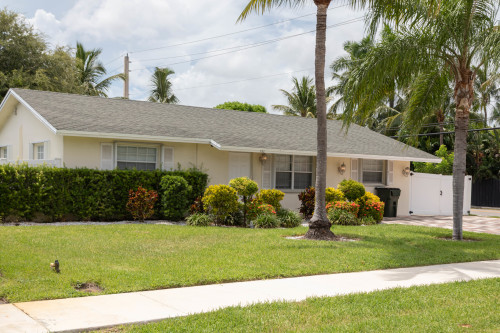
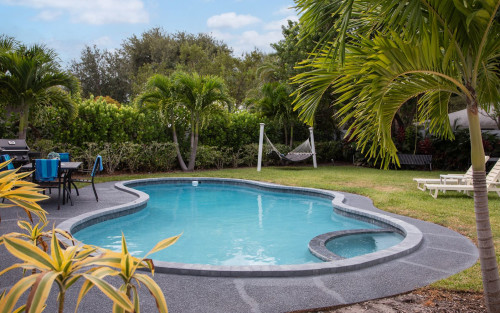
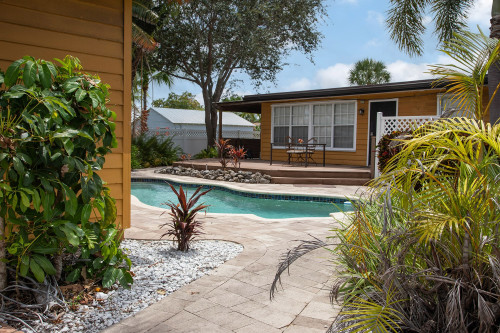
Lifeskills Osceola Village provides a structured transitional living environment for adults who are ready to move beyond residential treatment while continuing to strengthen their recovery. As a FARR- accredited level II transitional living community, the program helps residents build independence, apply recovery skills in daily life, and establish a foundation for long-term stability and success.
Life Skills and Recovery Support
Residents receive guidance from staff who support the development of both clinical and practical life skills. Through mentoring, independence coaching, and recovery support, clients learn how to manage responsibilities, make healthy decisions, and navigate everyday challenges while maintaining their recovery. Access to clinical, medical, and psychiatric services provides additional support when needed.
Safe, Structured Transitional Living
Lifeskills Osceola Village encourages residents to put recovery into practice through meaningful engagement in work, school, and volunteer opportunities. Transportation assistance helps clients access appointments, meetings, and other responsibilities while they establish healthy routines. The program combines structure, accountability, and professional support within a semi-independent living environment, allowing residents to gain confidence and gradually transition toward greater independence while remaining connected to recovery-focused resources and support.
Center Overview
Support Focus
This center supports substance use disorders and mental health conditions. You'll receive individualized care catered to your unique situation and diagnosis, learn practical skills for recovery, and make new connections in a restorative environment.

Pricing and Program Length
Estimated Center Costs
Center pricing can vary based on program and length of stay. Contact the center for more information. Recovery.com strives for price transparency so you can make an informed decision.
Levels of Care
Your Care Options
Specializations
Drug Addiction
Drug addiction is the excessive and repetitive use of substances, despite harmful consequences to a person's life, health, and relationships.
Life Skills
Teaching life skills like cooking, cleaning, clear communication, and even basic math provides a strong foundation for continued recovery.
Transitional Living
After rehab, some people stay in a transitional living situation before returning home. These programs offer structure, education, and community support.
Who We Support
Men and Women
Men and women attend treatment for addiction in a co-ed setting, going to therapy groups together to share experiences, struggles, and successes.
Approaches
Evidence-Based
A combination of scientifically rooted therapies and treatments make up evidence-based care, defined by their measured and proven results.
Individual Treatment
Individual care meets the needs of each patient, using personalized treatment to provide them the most relevant care and greatest chance of success.
Therapies
Life Skills
Teaching life skills like cooking, cleaning, clear communication, and even basic math provides a strong foundation for continued recovery.
Languages
Conditions We Support
Anxiety
Anxiety is a common mental health condition that can include excessive worry, panic attacks, physical tension, and increased blood pressure.
Bipolar
This mental health condition is characterized by extreme mood swings between depression, mania, and remission.
Depression
Symptoms of depression may include fatigue, a sense of numbness, and loss of interest in activities. This condition can range from mild to severe.
Obsessive Compulsive Disorder (OCD)
OCD is characterized by intrusive and distressing thoughts that drive repetitive behaviors. This pattern disrupts daily life and relationships.
Personality Disorders
Personality disorders destabilize the way a person thinks, feels, and behaves. If untreated, they can undermine relationships and lead to severe distress.
Post Traumatic Stress Disorder
PTSD is a long-term mental health issue caused by a disturbing event or events. Symptoms include anxiety, dissociation, flashbacks, and intrusive thoughts.
Psychosis
Psychosis is a condition that affects a person’s perception of reality, often involving hallucinations, delusions, or disorganized thinking.
Schizophrenia
Schizophrenia is a chronic mental health condition that can affect thinking, emotions, behavior, and perception of reality.
Trauma
Some traumatic events are so disturbing that they cause long-term mental health problems. Those ongoing issues can also be referred to as "trauma."
Substances We Support
Alcohol
Using alcohol as a coping mechanism, or drinking excessively throughout the week, signals an alcohol use disorder.
Co-Occurring Disorders
A person with multiple mental health diagnoses, such as addiction and depression, has co-occurring disorders also called dual diagnosis.
Drug Addiction
Drug addiction is the excessive and repetitive use of substances, despite harmful consequences to a person's life, health, and relationships.
Care Designed for Your Needs
Personal Amenities
Amenities
Off-Site Activities
Yoga
Yoga is both a physical and spiritual practice. It includes a flow of movement, breathing techniques, and meditation.