Find Treatment By
Rehabs by Location


Learn
About Us
Recovery.com combines independent research with expert guidance on addiction and mental health treatment. Our mission is to help everyone find the best path to recovery through the most comprehensive, helpful network of treatment providers worldwide.
Advisory Council
Our advisory council brings together leaders in behavioral health, technology, and business. Their diverse expertise ensures our resources and product are innovative, evidence-based, and effective. They guide our mission as accomplished individuals dedicated to improving the landscape of addiction recovery and mental wellness.



Kokoro Recovery Residence - Community Street
Kokoro Recovery Residence - Community Street
Kokoro Recovery Residence - Community Street
About Kokoro Recovery Residence - Community Street
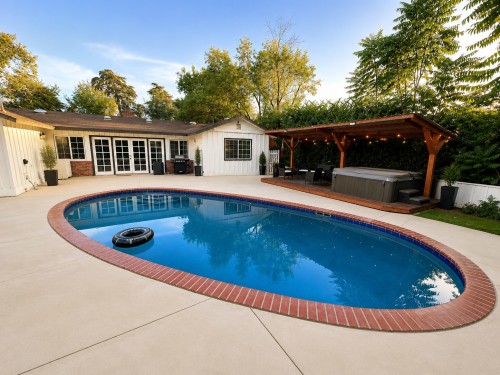
An acre, horses, and plenty of space set Kokoro’s Community Street property apart in Canoga Park, where up to 38 men can live. The property includes a main house, 3 accessory dwelling units (ADUs), a cottage, and a garage suite, with full-size beds instead of bunks. Residents can use the pool, jacuzzi, basketball court, weight setup, vegetable garden, and shared outdoor spaces.
Keep Daily Life Accountable
Clear expectations shape daily life in the house. Residents attend the Sunday-night house meeting and complete weekly drug and alcohol testing, while random tests can occur on other days. Curfew starts at 10 p.m. for the first 30 days, then shifts to midnight on weeknights and 1 a.m. on Fridays and Saturdays. Kokoro considers pets, including service animals, on a case-by-case basis during the interview.
Pursue Goals Beyond the House
Life at Kokoro also extends beyond the property. Beyond the weekly house meeting, residents attend at least 3 outside recovery meetings each week if they work full-time or 5 if they do not. AA, NA, SMART, Refuge, Dharma, church groups, and other options can count toward the requirement. Computers, printers, high-speed internet, workstations, and a gaming setup support job searches, coursework, telehealth, paperwork, and downtime.
Center Overview
Supportive Medication for Recovery
Medication-Assisted Treatment (MAT) is an evidence-based approach that pairs FDA-approved medications with counseling to treat addiction. The medications are used to reduce cravings, ease withdrawal symptoms, or block the effects of substances. More about MAT
This center accepts patients receiving MAT prescribed elsewhere for opioid use disorder, but does not prescribe it.
Note: Treatment centers offer different forms of MAT—such as oral tablets, dissolvable films, or monthly injections—and their policies can vary based on state regulations, provider preferences, and insurance coverage. Because of these differences, it's best to contact the center directly to learn what options are available and what might be right for your situation.
Pricing and Program Length
Levels of Care

