- Addiction
- Mental Health
- About Us
Rehabs by Location


Learn
About Us
Recovery.com combines independent research with expert guidance on addiction and mental health treatment. Our mission is to help everyone find the best path to recovery through the most comprehensive, helpful network of treatment providers worldwide.
Advisory Council
Our advisory council brings together leaders in behavioral health, technology, and business. Their diverse expertise ensures our resources and product are innovative, evidence-based, and effective. They guide our mission as accomplished individuals dedicated to improving the landscape of addiction recovery and mental wellness.
Clean & Sober Transitional Living
Treatment Focus
This center primarily treats substance use disorders, helping you stabilize, create relapse-prevention plans, and connect to compassionate support.
Primary Level of Care
Transitional housing designed to support individuals recovering from substance use disorders offering a safe, supportive and structured environment for practicing long-term sobriety, while reintegrating back into daily living.
This provider hasn't verified their profile's information. Are you the owner of this center? Claim your listing to better manage your presence on Recovery.com.
Treatment Focus
This center primarily treats substance use disorders, helping you stabilize, create relapse-prevention plans, and connect to compassionate support.
Primary Level of Care
Transitional housing designed to support individuals recovering from substance use disorders offering a safe, supportive and structured environment for practicing long-term sobriety, while reintegrating back into daily living.
Provider's Policy
We accept Assistance & Recovery Program, not traditional insurance.
Clean & Sober Transitional Living
Clean & Sober Transitional Living
About Clean & Sober Transitional Living
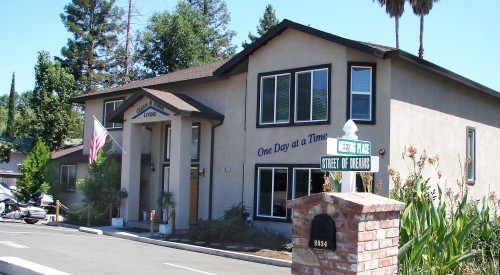
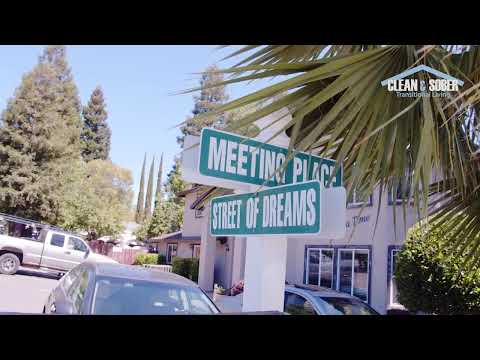
Set near Sacramento, Clean & Sober Transitional Living operates a 2-phase sober living program with 14 total houses, run by a founder in recovery. Clients attend 4 12-step meetings a week and can choose from either a daily option on-site or one of several nearby options. Clients who choose to attend off-site meetings often carpool to the meetings. Clients also must attend a Sunday evening house meeting.
Early Recovery Phase and Stabilization Phase
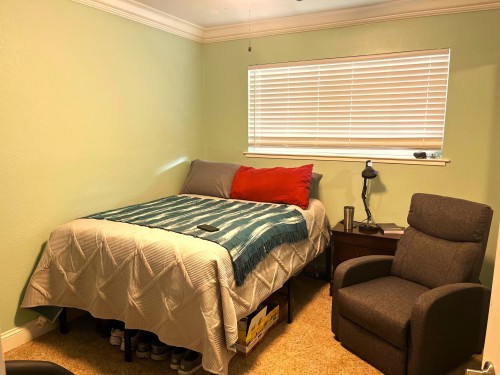
The first phase has more monitoring to help clients early in recovery. There is a curfew and clients must share a room. During phase 2, there isn't a curfew and clients can stay as long as they find the program helpful. Many clients stay in phase 2 for years. Clients can also have overnight guests during phase 2.
Employment, Schooling, and Life Habits
CSTL requires clients to have employment, look for employment, go to school, or attend additional recovery-related programming so they can practice sober life and develop long-term habits for relapse prevention.
CSTL has clients develop a relapse prevention plan and work with a 5-judge committee to ensure the plan is realistic. During their stay, they will take random drug tests to ensure continued sobriety.
Amenities Included in Rent
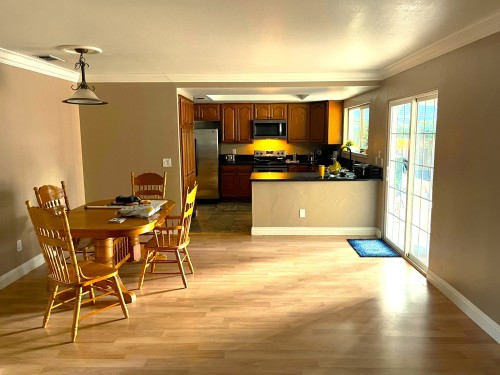
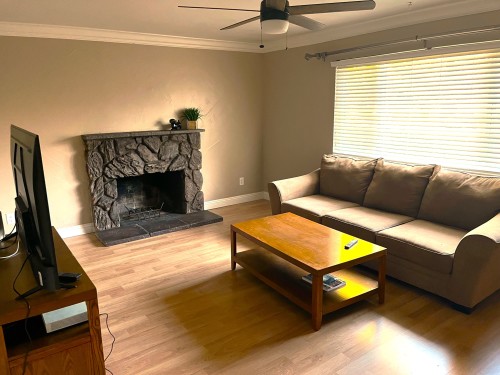
The stay at CTSL includes rooming, free access to the laundry machine, 3 meals a day, and coverage for all utilities in the monthly rent fee. The houses are near public transportation and have free on-site parking. Common on-site amenities are free weights and a variety of exercise machines, a pool table, a PlayStation, and board games. Each house has a resident house manager and cook.
Center Overview
Treatment Focus
This center primarily treats substance use disorders, helping you stabilize, create relapse-prevention plans, and connect to compassionate support.
Insurance Accepted

Cash Pay Rates
Estimated Cash Pay Rate
Center pricing can vary based on program and length of stay. Contact the center for more information. Recovery.com strives for price transparency so you can make an informed decision.
Levels of Care


Your Care Options
Specializations
Twelve Step
Incorporating spirituality, community, and responsibility, 12-Step philosophies prioritize the guidance of a Higher Power and a continuation of 12-Step practices.
Transitional Living
After rehab, some people stay in a transitional living situation before returning home. These programs offer structure, education, and community support.
Sober Living
These structured living environments help people transition out of rehab. Residents have more freedom than they do during rehab, but still follow certain rules.
Who We Treat
Men and Women
Men and women attend treatment for addiction in a co-ed setting, going to therapy groups together to share experiences, struggles, and successes.
Approaches
Twelve Step
Incorporating spirituality, community, and responsibility, 12-Step philosophies prioritize the guidance of a Higher Power and a continuation of 12-Step practices.
Therapies
Twelve Step Facilitation
12-Step groups offer a framework for addiction recovery. Members commit to a higher power, recognize their issues, and support each other in the healing process.
Relapse Prevention Counseling
Relapse prevention counselors teach patients to recognize the signs of relapse and reduce their risk.
Substances We Treat
Drug Addiction
Drug addiction is the excessive and repetitive use of substances, despite harmful consequences to a person's life, health, and relationships.
Alcohol
Using alcohol as a coping mechanism, or drinking excessively throughout the week, signals an alcohol use disorder.
Languages
Aftercare
Care Designed for Your Needs
Personal Amenities
Amenities
Special Considerations
Activities
Off-Site Activities
Smoking and Vaping Policy