Came to Believe
Treatment Focus
This center primarily treats substance use disorders, helping you stabilize, create relapse-prevention plans, and connect to compassionate support.
Primary Level of Care
Transitional housing designed to support individuals recovering from substance use disorders offering a safe, supportive and structured environment for practicing long-term sobriety, while reintegrating back into daily living.
This provider hasn't verified their profile's information. Are you the owner of this center? Claim your listing to better manage your presence on Recovery.com.
Treatment Focus
This center primarily treats substance use disorders, helping you stabilize, create relapse-prevention plans, and connect to compassionate support.
Primary Level of Care
Transitional housing designed to support individuals recovering from substance use disorders offering a safe, supportive and structured environment for practicing long-term sobriety, while reintegrating back into daily living.
Private Pay
You pay directly for treatment out of pocket. This approach can offer enhanced privacy and flexibility, without involving insurance. Exact costs vary based on program and length of stay. Contact the center for specific details.
About Came to Believe
Helping men maintain sobriety after treatment, Came to Believe provides structured sober living residences in South Florida grounded in the 12-Step philosophy of recovery. Founded by Bill Niemi in 2015, the program was shaped by his personal recovery journey and years of experience in addiction treatment. Through accountability, peer support, and a structured living environment, residents in West Palm Beach and Royal Palm Beach gain support as they build stable, substance-free lives.
Accountability Through Daily Recovery
Came to Believe follows a highly structured approach designed to support long-term sobriety from drug and alcohol addiction. Residents are required to obtain a sponsor, attend at least five 12-Step meetings each week, participate in weekly in-house Big Book and house meetings, and follow established house guidelines. The program maintains a zero-tolerance policy for failed drug or alcohol screenings while encouraging participation in outpatient treatment, individual therapy, and family involvement when appropriate.
Living with Peer Support and Alumni Connection
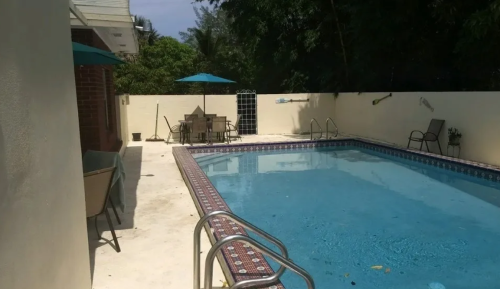
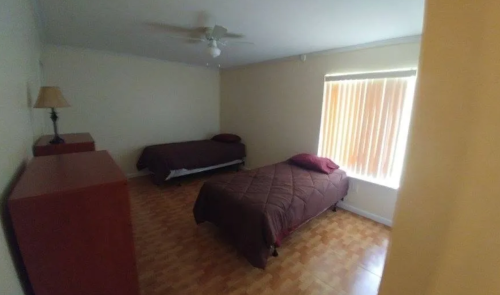
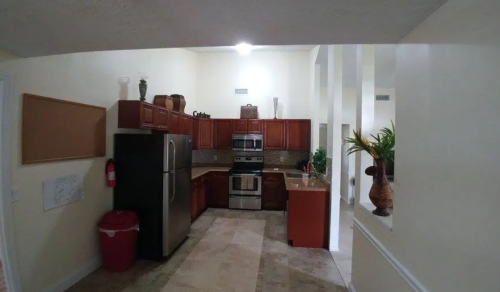
Men live alongside peers who are also committed to recovery, creating a community built on encouragement, accountability, and shared experience. The program fosters lasting connections among residents and alumni, many of whom stay involved long after completing their stay. Residents can also receive support with medical, financial, legal, and personal challenges while learning to manage everyday responsibilities in sobriety. The homes include shared bedrooms, a communal kitchen, and a swimming pool, providing comfortable spaces for daily living and connection.
Center Overview

Support Focus
This center primarily supports substance use disorders, helping you stabilize, create relapse-prevention plans, and connect to compassionate support.

Pricing and Program Length
Estimated Center Costs
The cost listed here ($200/week), is an estimate of program cost. Center price can vary based on program and length of stay. Contact the center for more information. Recovery.com strives for price transparency so you can make an informed decision.
Levels of Care
Your Care Options
Specializations
Alcohol
Using alcohol as a coping mechanism, or drinking excessively throughout the week, signals an alcohol use disorder.
Drug Addiction
Drug addiction is the excessive and repetitive use of substances, despite harmful consequences to a person's life, health, and relationships.
Who We Support
Approaches
Gender-Specific
Separate treatment for men or women can create strong peer connections and remove barriers related to trauma, shame, and gender-specific nuances.
Twelve Step
Incorporating spirituality, community, and responsibility, 12-Step philosophies prioritize the guidance of a Higher Power and a continuation of 12-Step practices.
Therapies
Life Skills
Teaching life skills like cooking, cleaning, clear communication, and even basic math provides a strong foundation for continued recovery.
Twelve Step Facilitation
12-Step groups offer a framework for addiction recovery. Members commit to a higher power, recognize their issues, and support each other in the healing process.
Languages
Conditions We Support
Trauma
Some traumatic events are so disturbing that they cause long-term mental health problems. Those ongoing issues can also be referred to as "trauma."
Substances We Support
Alcohol
Using alcohol as a coping mechanism, or drinking excessively throughout the week, signals an alcohol use disorder.
Drug Addiction
Drug addiction is the excessive and repetitive use of substances, despite harmful consequences to a person's life, health, and relationships.
Aftercare
Care Designed for Your Needs
Personal Amenities
Amenities
Special Considerations
Gender-specific groups
Patients in gender-specific groups gain the opportunity to discuss challenges unique to their gender in a comfortable, safe setting conducive to healing.