Aspire Sober Living - Grace House
Treatment Focus
This center treats substance use disorders and co-occurring mental health conditions. Your treatment plan addresses each condition at once with personalized, compassionate care for comprehensive healing.
Primary Level of Care
Transitional housing designed to support individuals recovering from substance use disorders offering a safe, supportive and structured environment for practicing long-term sobriety, while reintegrating back into daily living.
This provider hasn't verified their profile's information. Are you the owner of this center? Claim your listing to better manage your presence on Recovery.com.
Treatment Focus
This center treats substance use disorders and co-occurring mental health conditions. Your treatment plan addresses each condition at once with personalized, compassionate care for comprehensive healing.
Primary Level of Care
Transitional housing designed to support individuals recovering from substance use disorders offering a safe, supportive and structured environment for practicing long-term sobriety, while reintegrating back into daily living.
Private Pay
You pay directly for treatment out of pocket. This approach can offer enhanced privacy and flexibility, without involving insurance. Exact costs vary based on program and length of stay. Contact the center for specific details.
Aspire Sober Living - Grace House
About Aspire Sober Living - Grace House
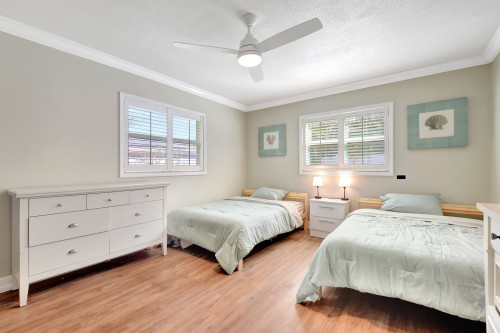
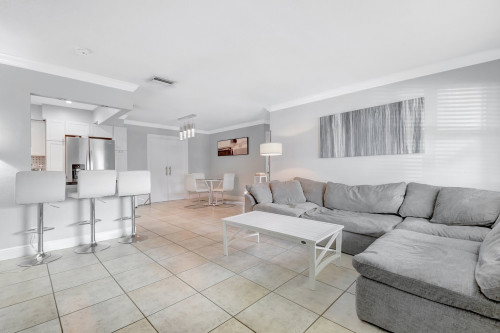
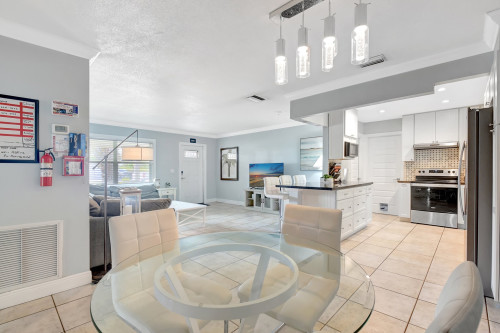
Structured accountability, peer connection, and practical life-skills development from the foundation of recovery at Aspire Sober Living’s Grace House. Designed for adults transitioning from treatment to everyday life, the residence offers more than sober housing by creating a recovery-focused environment where residents can strengthen sobriety while building the confidence, responsibility, and independence needed for long-term success.
Stability Through Structure and Community
Residents live in a substance-free setting that encourages consistency, responsibility, and personal growth. House expectations, peer accountability, goal setting, and supportive community engagement help reinforce recovery-focused habits while providing that stability many individuals need during early recovery. The balance of structure and increasing independence allows residents to practice healthy decision-making and build confidence in daily life.
Life-Skills for Long-Term Independence
Grace House emphasize both recovery support and practical preparation for independent living. Residents are encourage to strengthen skill such as employment readiness, financial responsibility, communication, time management, and problem-solving. Adults recovering from alcohol and substance use, including those managing co-occurring challenges such as anxiety, depression, or trauma, benefit from a supportive communication that promotes stability and accountability. Through meaningful peer relationships, daily responsibility, and a recovery-centered living environment, residents develop the habits and skills needed to maintain lasting sobriety and successfully transition into independent living.
Center Overview

Support Focus
This center supports substance use disorders and co-occurring mental health conditions. Your support plan addresses each condition at once with personalized, compassionate care for comprehensive healing.

Pricing and Program Length
Estimated Center Costs
Center pricing can vary based on program and length of stay. Contact the center for more information. Recovery.com strives for price transparency so you can make an informed decision.
Levels of Care
Your Care Options
Specializations
Alcohol
Using alcohol as a coping mechanism, or drinking excessively throughout the week, signals an alcohol use disorder.
Drug Addiction
Drug addiction is the excessive and repetitive use of substances, despite harmful consequences to a person's life, health, and relationships.
Who We Support
Men and Women
Men and women attend treatment for addiction in a co-ed setting, going to therapy groups together to share experiences, struggles, and successes.
Therapies
Life Skills
Teaching life skills like cooking, cleaning, clear communication, and even basic math provides a strong foundation for continued recovery.
Languages
Conditions We Support
Anxiety
Anxiety is a common mental health condition that can include excessive worry, panic attacks, physical tension, and increased blood pressure.
Depression
Symptoms of depression may include fatigue, a sense of numbness, and loss of interest in activities. This condition can range from mild to severe.
Trauma
Some traumatic events are so disturbing that they cause long-term mental health problems. Those ongoing issues can also be referred to as "trauma."
Substances We Support
Alcohol
Using alcohol as a coping mechanism, or drinking excessively throughout the week, signals an alcohol use disorder.
Co-Occurring Disorders
A person with multiple mental health diagnoses, such as addiction and depression, has co-occurring disorders also called dual diagnosis.
Drug Addiction
Drug addiction is the excessive and repetitive use of substances, despite harmful consequences to a person's life, health, and relationships.