Find Treatment By
Rehabs by Location


Learn
About Us
Recovery.com combines independent research with expert guidance on addiction and mental health treatment. Our mission is to help everyone find the best path to recovery through the most comprehensive, helpful network of treatment providers worldwide.
Advisory Council
Our advisory council brings together leaders in behavioral health, technology, and business. Their diverse expertise ensures our resources and product are innovative, evidence-based, and effective. They guide our mission as accomplished individuals dedicated to improving the landscape of addiction recovery and mental wellness.
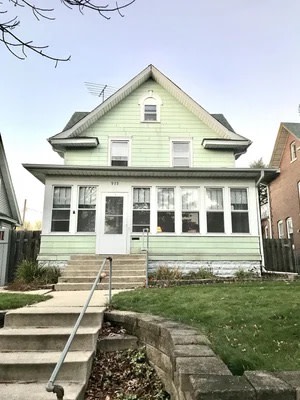
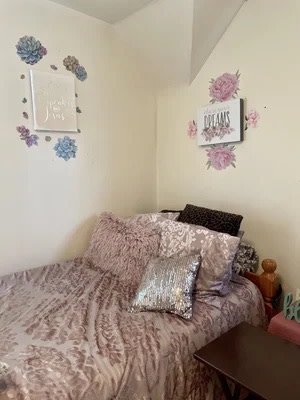
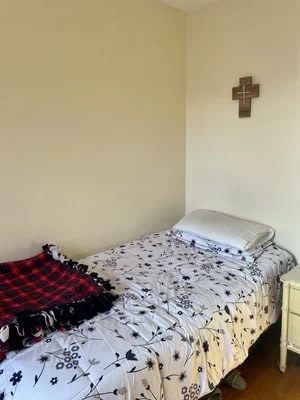
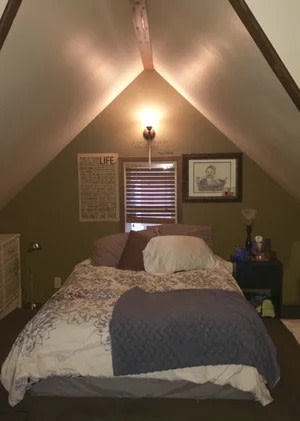
ANEW Chemical Health Services - Kelly's Place
ANEW Chemical Health Services - Kelly's Place
ANEW Chemical Health Services - Kelly's Place
About ANEW Chemical Health Services - Kelly's Place
In Saint Paul's Dayton's Bluff neighborhood, Kelly's Place offers mothers in recovery a home where they can live with their children while working toward family reunification. Spence Specialties LLC operates the 5-bedroom, 3-bathroom sober home for ANEW Chemical Health Services. It houses up to 5 women, each with as many as 3 children depending on space. The furnished home sits on a bus line for access to treatment and errands.
Combine Parenting Support With Outpatient Care
Residents attend ANEW's 9-month outpatient program, which combines group and individual counseling across 3 phases. Mothers with children under 18 take a weekly parenting class, and infants up to 3 months old can join group sessions. Women whose children don't yet live with them can arrange visits. Stays last up to 1 year, and many women regain custody, return to school, or find work.
Build Independence Through Structured Living
Women need at least 30 days of sobriety to move in, followed by a 7-day orientation. A house manager oversees the home, though it isn't staffed 24/7. Residents attend weekly house meetings and 2 recovery meetings a week, complete chores, follow curfews, and take random drug tests. Through a Group Residential Housing (GRH) contract between Spence Specialties LLC and Ramsey County, the home receives funding for room and board.
Center Overview
Supportive Medication for Recovery
Medication-Assisted Treatment (MAT) is an evidence-based approach that pairs FDA-approved medications with counseling to treat addiction. The medications are used to reduce cravings, ease withdrawal symptoms, or block the effects of substances. More about MAT
This center accepts patients receiving MAT prescribed elsewhere for opioid use disorder, but does not prescribe it.
Note: Treatment centers offer different forms of MAT—such as oral tablets, dissolvable films, or monthly injections—and their policies can vary based on state regulations, provider preferences, and insurance coverage. Because of these differences, it's best to contact the center directly to learn what options are available and what might be right for your situation.
Pricing and Program Length
Levels of Care

