Aloha House - Hula House
Treatment Focus
This center primarily treats substance use disorders, helping you stabilize, create relapse-prevention plans, and connect to compassionate support.
Primary Level of Care
Transitional housing designed to support individuals recovering from substance use disorders offering a safe, supportive and structured environment for practicing long-term sobriety, while reintegrating back into daily living.
This provider hasn't verified their profile's information. Are you the owner of this center? Claim your listing to better manage your presence on Recovery.com.
Treatment Focus
This center primarily treats substance use disorders, helping you stabilize, create relapse-prevention plans, and connect to compassionate support.
Primary Level of Care
Transitional housing designed to support individuals recovering from substance use disorders offering a safe, supportive and structured environment for practicing long-term sobriety, while reintegrating back into daily living.
Private Pay
You pay directly for treatment out of pocket. This approach can offer enhanced privacy and flexibility, without involving insurance. Exact costs vary based on program and length of stay. Contact the center for specific details.
Aloha House - Hula House
About Aloha House - Hula House
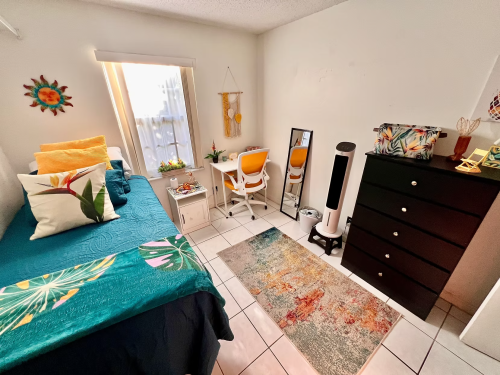
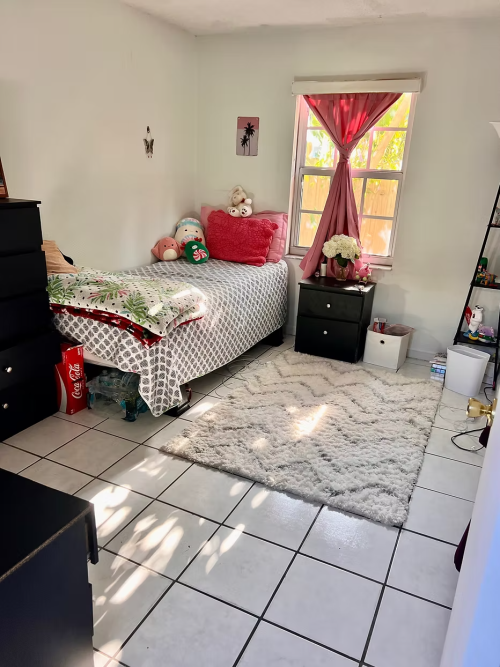
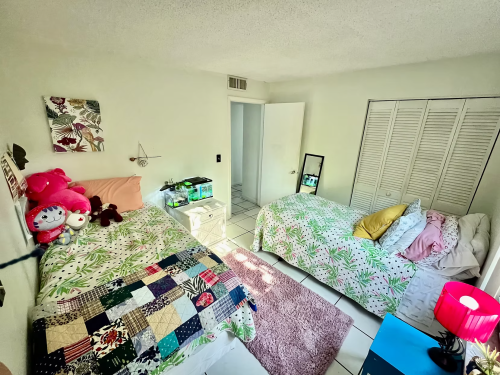
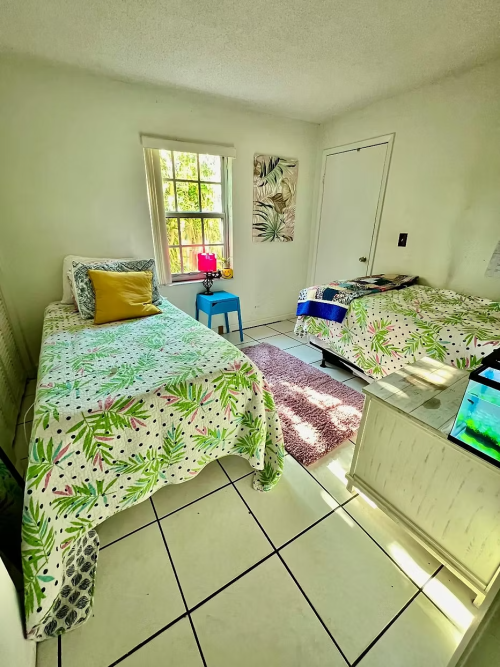
Located in West Palm Beach, Florida, Aloha House - Hula House is a FARR-certified sober living home for women. It is for women leaving inpatient or clinical treatment who need a structured, substance-free place to live before independent living. They do not provide therapy, outpatient care, medical services, mental health treatment, or MAT. Residents are not required to attend IOP or any outside program, though staff will assist if they choose to seek outside services.
Daily Rules and Living Setup
Residents of Aloha House live in a gender-specific house with curfews, house rules, shared responsibilities, and access to nearby 12-Step meetings. Standard curfew is 11:30 p.m. on weekdays and 12:30 a.m. on weekends. Residents who complete the 12 Steps and sponsor others may qualify for 3/4 status, which allows later curfews and one overnight pass per week.
Costs, Amenities, and Location
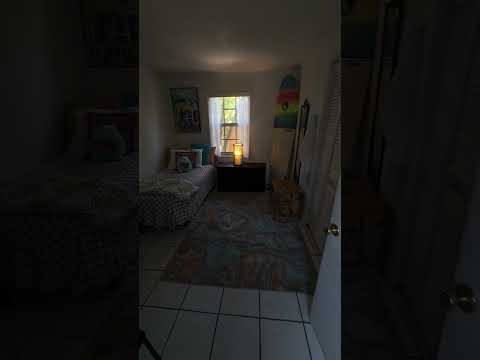
Weekly rent is from $265 to $325. There is a one-time, nonrefundable $395 move-in fee that covers UAs, BAs, bedding, cleaning supplies, and house activities. Payments are accepted by cash, Zelle, Venmo, Cash App, or credit/debit through an online portal. Homes include WiFi, laundry, smart TVs, security cameras, and access to nearby beaches, shops, restaurants, parks, public transportation, and recovery meetings.
Center Overview
Support Focus
This center primarily supports substance use disorders, helping you stabilize, create relapse-prevention plans, and connect to compassionate support.

Pricing and Program Length
Estimated Center Costs
The cost listed here ($265 to $325 per week), is an estimate of program cost. Center price can vary based on program and length of stay. Contact the center for more information. Recovery.com strives for price transparency so you can make an informed decision.
Levels of Care
Your Care Options
Specializations
Alcohol
Using alcohol as a coping mechanism, or drinking excessively throughout the week, signals an alcohol use disorder.
Drug Addiction
Drug addiction is the excessive and repetitive use of substances, despite harmful consequences to a person's life, health, and relationships.
Who We Support
Women only
Women attend treatment in a gender-specific facility, with treatment delivered in a safe, nourishing, and supportive environment for greater comfort.
Approaches
Gender-Specific
Separate treatment for men or women can create strong peer connections and remove barriers related to trauma, shame, and gender-specific nuances.
Twelve Step
Incorporating spirituality, community, and responsibility, 12-Step philosophies prioritize the guidance of a Higher Power and a continuation of 12-Step practices.
Therapies
Introduction to the 12 Step Program
This service introduces participants to the principles, structure, and community support offered through 12-Step recovery programs.
Life Skills
Teaching life skills like cooking, cleaning, clear communication, and even basic math provides a strong foundation for continued recovery.
Languages
Substances We Support
Alcohol
Using alcohol as a coping mechanism, or drinking excessively throughout the week, signals an alcohol use disorder.
Drug Addiction
Drug addiction is the excessive and repetitive use of substances, despite harmful consequences to a person's life, health, and relationships.
Care Designed for Your Needs
Personal Amenities
Amenities
Special Considerations
Transition Program
Patients in a transition program gradually return to life outside treatment, helping lower chances of relapse and continue care in a less intense setting.
Gender-specific groups
Patients in gender-specific groups gain the opportunity to discuss challenges unique to their gender in a comfortable, safe setting conducive to healing.