Find Treatment By
Rehabs by Location


Learn
About Us
Recovery.com combines independent research with expert guidance on addiction and mental health treatment. Our mission is to help everyone find the best path to recovery through the most comprehensive, helpful network of treatment providers worldwide.
Advisory Council
Our advisory council brings together leaders in behavioral health, technology, and business. Their diverse expertise ensures our resources and product are innovative, evidence-based, and effective. They guide our mission as accomplished individuals dedicated to improving the landscape of addiction recovery and mental wellness.
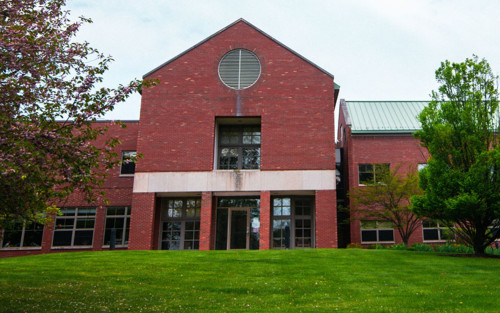
Richard C. Ward Addiction Treatment Center
Richard C. Ward Addiction Treatment Center
Richard C. Ward Addiction Treatment Center
About Richard C. Ward Addiction Treatment Center
Richard C. Ward Addiction Treatment Center is a 48-bed inpatient center for women with gambling and drug addictions. Located in Middletown, New York, the center serves the surrounding counties of Rockland, Westchester, Putnam, Dutchess, and Ulster. Their treatment philosophy centers on delivering compassionate care, treating each client with dignity and respect, and supporting their individual recovery goals with a personalized approach.
Evidence-Based Treatment
At this facility, services include individual and group therapy, cognitive behavioral therapy (CBT), dialectical behavior therapy (DBT) motivational interviewing, psychodrama therapy, anger management, and mindfulness therapy. Additionally, medication-assisted treatments are offered, including buprenorphine (Suboxone), Vivitrol, and Naltrexone, to help with the symptoms of withdrawal. Each client is provided with comprehensive aftercare planning to ensure that they feel supported throughout the recovery process. The typical length of stay depends on each client's needs, but can vary between 2 and 6 weeks.
Accessible Treatment
The clinic accepts all major insurance plans, including Medicaid, and offers flexible self-pay options based on each patient’s financial capacity. No one is denied services due to financial limitations, ensuring that quality care remains accessible to all. The facility is conveniently accessible by public transportation, with bus stops within walking distance.
Center Overview

Supportive Medication for Recovery
Medication-Assisted Treatment (MAT) is an evidence-based approach that pairs FDA-approved medications with counseling to treat addiction. The medications are used to reduce cravings, ease withdrawal symptoms, or block the effects of substances. More about MAT
Methadone

Naltrexone
Buprenorphine

Note: Treatment centers offer different forms of MAT—such as oral tablets, dissolvable films, or monthly injections—and their policies can vary based on state regulations, provider preferences, and insurance coverage. Because of these differences, it's best to contact the center directly to learn what options are available and what might be right for your situation.
Insurance Accepted


Cash Pay Rates
Levels of Care

