Find Treatment By
Rehabs by Location


Find Treatment By
Learn
About Us
Recovery.com combines independent research with expert guidance on addiction and mental health treatment. Our mission is to help everyone find the best path to recovery through the most comprehensive, helpful network of treatment providers worldwide.
Advisory Council
Our advisory council brings together leaders in behavioral health, technology, and business. Their diverse expertise ensures our resources and product are innovative, evidence-based, and effective. They guide our mission as accomplished individuals dedicated to improving the landscape of addiction recovery and mental wellness.
Why You Should Stop Calling Yourself Crazy


Stanton Peele has been innovating in the addiction field since the publication of his first book, Love and Addiction, in 1975, including addiction to activities and experiences other than substances, harm reduction, skills and coping approaches to recovery, values and purpose as antidotes to addiction, and mindfulness/self-acceptance (loving kindness) precepts shared with Buddhist meditation.

Stanton Peele has been innovating in the addiction field since the publication of his first book, Love and Addiction, in 1975, including addiction to activities and experiences other than substances, harm reduction, skills and coping approaches to recovery, values and purpose as antidotes to addiction, and mindfulness/self-acceptance (loving kindness) precepts shared with Buddhist meditation.
You should always listen to your mother, right? Here is one of the things my long-gone mother, Sara, told me that I still abide by: “Don’t put yourself down—let other people do that for you.”
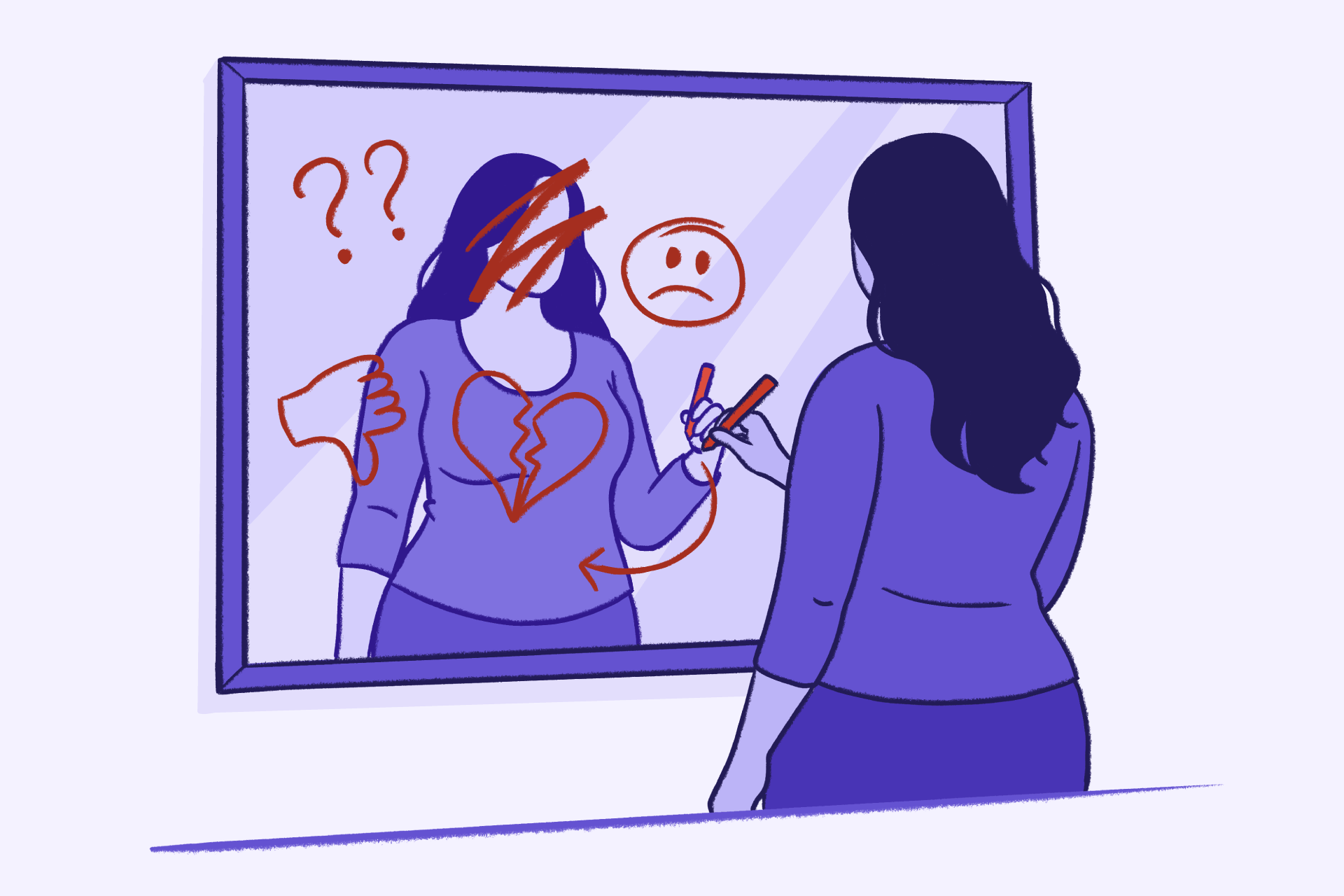
There is another idea circulating out there, much more popular than my mother’s advice. It suggests that you are far better off if you can accept that you have a permanently debilitating condition. If you can identify your addiction or mental health condition, or if others can label it for you, then you’re supposedly on the road to recovery.
When Labels Are Treated as the Path to Recovery
This belief is often summed up in the repeated goal of “overcoming the stigma of mental illness.” The implication is that we are, unfortunately, reluctant to admit that we, or our loved ones, have something fundamentally wrong, and that we should stop resisting such labels right now. Yet this idea turns out to have surprisingly little evidence to support it, and quite a bit to challenge its value.
What’s the matter with us that we resist seeing ourselves as having a disorder or disability?
I remember meeting a man who had lost his hand in a farm accident. A state disability worker came to visit him. The man I knew was also a counselor, and he told me how it slowly dawned on him that the representative was there to formally label him as disabled. He quickly ushered the worker out of his house.
So this man refused to see himself as disabled, even though he had an obvious physical impairment. What do you think of him?
Explore Drug Addiction Treatment Centers
What Disability (and Identity) Really Mean
On the other hand, do you find it reassuring when someone tells you, “I’m crazy,” or “I’m depressed” (meaning not that they are sad, but that they believe they suffer from a permanent condition), or “I’m bipolar,” “I have ADHD,” or “I have an antisocial personality disorder”?
I don’t.
I’m in the business of helping people feel better about themselves and get the most out of life, relationships, work, and family. To do that, I work with people to identify specific problems they’re facing, to improve how they respond to those problems, and, most of all, to help them believe they are capable of happiness and success.
When Labels Become the Problem
Ilse Thompson and I wrote a book this year called Recover! Stop Thinking Like an Addict. In it, we argue that people’s problems may stem as much from labeling themselves as addicts, and learning to behave accordingly as they do from their actual interactions with drugs, alcohol, food, sex, or other behaviors.
My dislike of labeling may sound odd coming from someone who co-wrote Love and Addiction with Archie Brodsky, where we described relationships as potentially addictive. But we weren’t trying to create more “addicts.”
Our goal was to show that people who struggle with substances are not a different species from the rest of us.
Archie, Ilse, and I believe the most important thing people who’ve been labeled with disorders need to learn is that they are not abnormal. Everyone struggles with some weak area, trauma, or habit they wish they could change.
Want proof? Ask everyone you know whether they’ve ever felt addicted to something, had a disastrous relationship, struggled with a persistent weakness, or carried a secret fear that they believe diminishes them in others’ eyes.
We all do.
Didn’t your mother ever tell you that just because your nose is too big or you’re overweight, someone else has too many freckles or wishes they were smarter?
The job of a mother, or a therapist, is not to separate you from the rest of humanity, but to help you see your shared humanity. You are viable, and you are valuable.
The Cost of Adopting a Disease Identity
That’s why it seems ironic that many people who appear outwardly “normal” are encouraged to adopt a disease-based identity. I know one woman who had a personality quirk pointed out to her and told me, “Finally, I rejoiced—I have my own disease!”
Meanwhile, people who are labeled early in life often push in the opposite direction. They don’t want to be “different”—they want to be accepted, like everyone else.
One such person is Temple Grandin, who was diagnosed with autism at age two in 1949, a diagnosis then attributed to brain damage, which was considered cutting-edge at the time. Fortunately, she had supportive mentors who believed she was capable of achieving anything she wanted.
At the same time, she had a painful experience in secondary school. Other students noticed her differences and emphasized them relentlessly. Her focus on work, her clothing, and her systematic way of thinking led to her being ostracized as a “supernerd.”
What do you think of the kids who mocked Temple in middle or high school? (She went on to earn a Ph.D. in animal science and make major contributions to her field.) They were frightened by her differences, weren’t they? Are you frightened by people who think or behave differently? Is categorizing people as “disabled” what you believe the goal of the mental health industry should be?
I don’t.
Recovery Without Fixed Identities
I believe we need to educate ourselves to better tolerate different mental styles, substance habits, and ways of being. I do work in the field of addiction. And when something causes a person distress or limits their life, I want to help them change it.
If someone drinks too much, uses drugs, worries excessively, or has had more sexual partners than average, I’m not interested in judging them. My concern is whether they feel safe, protected, and comfortable with themselves.
From there, I help people decide how they want their lives to look going forward, and how they may need to change their thinking, feelings, or actions to get there.
That’s why I don’t label anyone. And I ask them, whenever possible, not to label themselves in my presence.
Find Support Without Labels
If you or someone you love is looking for help, Recovery.com makes it easier to find treatment centers that focus on healing, growth, and individualized care. Explore drug and alcohol treatment centers that align with your values and goals, and take the next step toward a healthier, more fulfilling life on your own terms.














Our Promise
How Is Recovery.com Different?
We believe everyone deserves access to accurate, unbiased information about mental health and recovery. That's why we have a comprehensive set of treatment providers and don't charge for inclusion. Any center that meets our criteria can list for free. We do not and have never accepted fees for referring someone to a particular center. Providers who advertise with us must be verified by our Research Team and we clearly mark their status as advertisers.
Our goal is to help you choose the best path for your recovery. That begins with information you can trust.